When you appoint a fire risk assessor, you are not just buying a report — you are choosing someone whose work you may need to rely on during an inspection, an insurance query, or after a serious incident.
In the UK, there is no single mandatory qualification that “licenses” someone to carry out fire risk assessments. Instead, the legal expectation is that the assessment is suitable and sufficient and completed by someone competent for the type of premises and level of risk.
This guide explains what qualifications a fire risk assessor should have, what credentials and registers matter in practice, and how to carry out due diligence when appointing an assessor.
Contents
- 1 Is There a Legal Qualification Requirement for Fire Risk Assessors?
- 2 Competence vs Qualifications: What’s the Difference?
- 3 The Current Benchmark: BS 8674
- 4 Common UK Qualifications You May See
- 5 Registers and Third-Party Certification
- 6 What a Strong Qualification Profile Looks Like
- 7 Questions to Ask Before Appointing an Assessor
- 8 Red Flags to Watch For
- 9 Do You Need an “Accredited” Fire Risk Assessor?
- 10 Professional Fire Risk Assessment Services Across the UK
- 11 Why Competence Has Become a Greater Focus in Recent Years
- 12 Conclusion
- 13 Frequently Asked Questions
- 13.1 Is there a legal qualification required to be a fire risk assessor in the UK?
- 13.2 What is BS 8674 and why is it important?
- 13.3 Is a NEBOSH qualification enough to carry out a fire risk assessment?
- 13.4 Should I choose someone on a register?
- 13.5 What is BAFE SP205?
- 13.6 What matters more: qualification or experience?
- 13.7 How can I check if a fire risk assessor is competent?
Is There a Legal Qualification Requirement for Fire Risk Assessors?
UK fire safety legislation does not prescribe a specific qualification for fire risk assessors. What matters is competence — having the knowledge, experience and ability to correctly identify hazards, evaluate risk, and specify suitable control measures for the premises in question.
National guidance for duty holders focuses on identifying competent help and understanding what evidence to look for. Fire and Rescue Authorities do not carry out fire risk assessments for you, and the legal responsibility remains with the Responsible Person.
In other words, you are not appointing a “certificate” — you are appointing a competent individual or organisation. Qualifications are one way of demonstrating that competence.
Ultimately, the legal duty remains with the Responsible Person, even when a third party is appointed.
Competence vs Qualifications: What’s the Difference?
A qualification shows that someone has completed structured learning and achieved a recognised standard. However, competence is broader. You can read more about what defines a competent fire risk assessor in our detailed guide. It includes:
- Practical experience
- Professional judgement
- Understanding of building construction and fire behaviour
- Knowledge of current legislation and guidance
- The ability to apply principles proportionately to real premises
Many inadequate fire risk assessments are not caused by a lack of paperwork — they are caused by a lack of practical competence, poor reasoning, superficial inspection, or failure to understand how fire may spread in a particular building.
The Current Benchmark: BS 8674
One of the most important developments in recent years is BS 8674, a British Standard that sets out a framework for assessing and assuring the competence of individual fire risk assessors.
It is designed to provide clearer benchmarks for competence, define knowledge and experience expectations, and improve consistency across the industry.
While not legally mandatory, it is increasingly referenced as a best practice standard for demonstrating assessor competence.
Common UK Qualifications You May See
Because there is no single mandated qualification, you will see a range of recognised training routes and regulated qualifications in the UK market.
1. Fire Risk Assessment–Specific Qualifications
You may see:
- FireQual Awards in Fire Risk Assessment (often tiered according to building risk level)
- Regulated Level 3 or Level 4 Fire Risk Assessment qualifications. As a general guide, Level 3 qualifications are often suitable for assessors working on simpler, low-risk premises, whereas Level 4 qualifications are typically expected for more complex or higher-risk buildings. The level required should reflect the complexity of the premises being assessed.
- Other accredited FRA qualifications from recognised awarding bodies
These qualifications are directly focused on fire risk assessment methodology and practice.
2. Broader Fire Safety Qualifications
Some assessors hold wider fire safety qualifications such as:
- NEBOSH fire safety qualifications
- Institution of Fire Engineers (IFE) examinations or membership routes
- Other fire safety diplomas or certificates
These provide strong theoretical grounding but should be considered alongside practical experience.
3. Higher-Level or Specialist Backgrounds
For complex or higher-risk premises — such as high-rise buildings, sleeping accommodation, or unusual evacuation strategies — competence may include:
- Extensive experience with similar complex premises
- Fire engineering background
- Chartered status within relevant professional bodies
For complex buildings, experience and depth of understanding are often more important than simply holding a certificate.
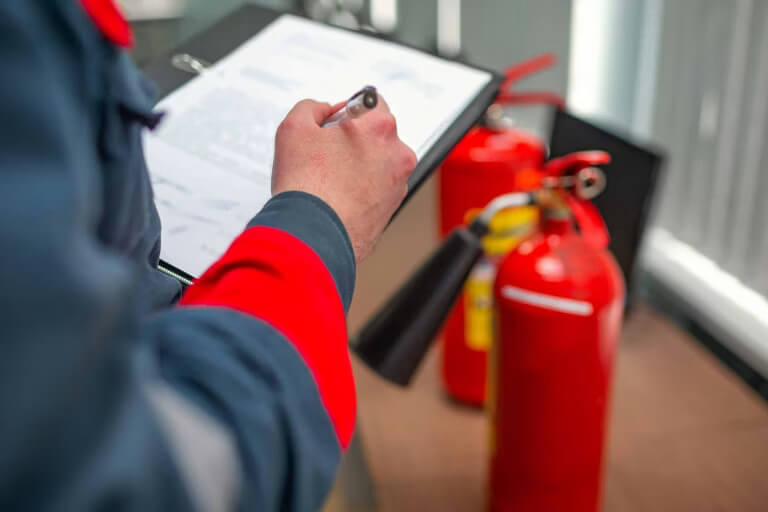
Registers and Third-Party Certification
Qualifications are only one part of the picture. Many duty holders look for independent verification.
There are two broad types of verification in the UK market:
Individual Registers
These assess and verify the competence of the individual assessor. Examples include:
- National Fire Risk Assessors Register (NFRAR)
- Institution of Fire Engineers (IFE) registers
- Other recognised tiered competence registers
These schemes usually require evidence of qualifications, experience, and continuing professional development.
Continuing Professional Development (CPD) is a key indicator of competence. Fire safety legislation and guidance evolve over time, and competent assessors should regularly update their knowledge through structured learning, technical seminars, and industry updates. Ask potential assessors how they maintain and evidence their CPD.
Third-Party Certification of Organisations
Some certification schemes assess and certify the organisation rather than just the individual. One widely referenced example is BAFE SP205, which certifies companies providing life safety fire risk assessments and includes ongoing oversight requirements.
For duty holders, these routes can help demonstrate reasonable due diligence when appointing an assessor.
What a Strong Qualification Profile Looks Like
There is no single “correct” combination. However, a robust profile typically includes:
For simple, low-risk premises:
- FRA-specific training at an appropriate level
- Demonstrable experience with similar premises
- Clear, structured reporting
For higher-risk or complex premises:
- Higher-level FRA qualifications
- Significant experience with comparable buildings
- Independent verification through a recognised register or certification scheme
- Strong understanding of compartmentation, fire doors, fire stopping, escape strategies and building construction
Competence must always be appropriate to the risk profile of the building.
Competent assessors should also be familiar with recognised UK fire risk assessment methodologies, such as PAS 79, which provides structured guidance on carrying out and documenting fire risk assessments in a systematic and defensible manner.
Questions to Ask Before Appointing an Assessor
Rather than simply asking “Are you qualified?”, ask:
- What fire risk assessment qualifications do you hold?
- Are those qualifications appropriate for our type of premises?
- How much experience do you have with similar buildings?
- Are you listed on a recognised register or part of a third-party certification scheme?
- How do you maintain your knowledge and continuing professional development?
- Do you carry professional indemnity insurance?
- Can you provide a sample report so we can see how findings and actions are presented?
These questions help you assess competence rather than relying on marketing claims.
For a broader checklist covering due diligence and provider comparison, see our guide on how to choose a fire risk assessment company.
Red Flags to Watch For
Be cautious if you encounter:
- Generic template reports with little site-specific detail
- Inability to explain reasoning behind recommendations
- No evidence of relevant experience
- No professional indemnity insurance
- Reluctance to provide evidence of qualifications or verification
Competence is demonstrated through knowledge, transparency and clarity — not just certificates.
Do You Need an “Accredited” Fire Risk Assessor?
The term “accredited” can mean different things — registered on a professional scheme, part of a third-party certification programme, or holding specific qualifications.
What matters most is that you can evidence due diligence and that the assessor is competent for your premises.
For many organisations, choosing an assessor who is independently verified provides additional reassurance and helps demonstrate that reasonable steps were taken to appoint competent assistance.
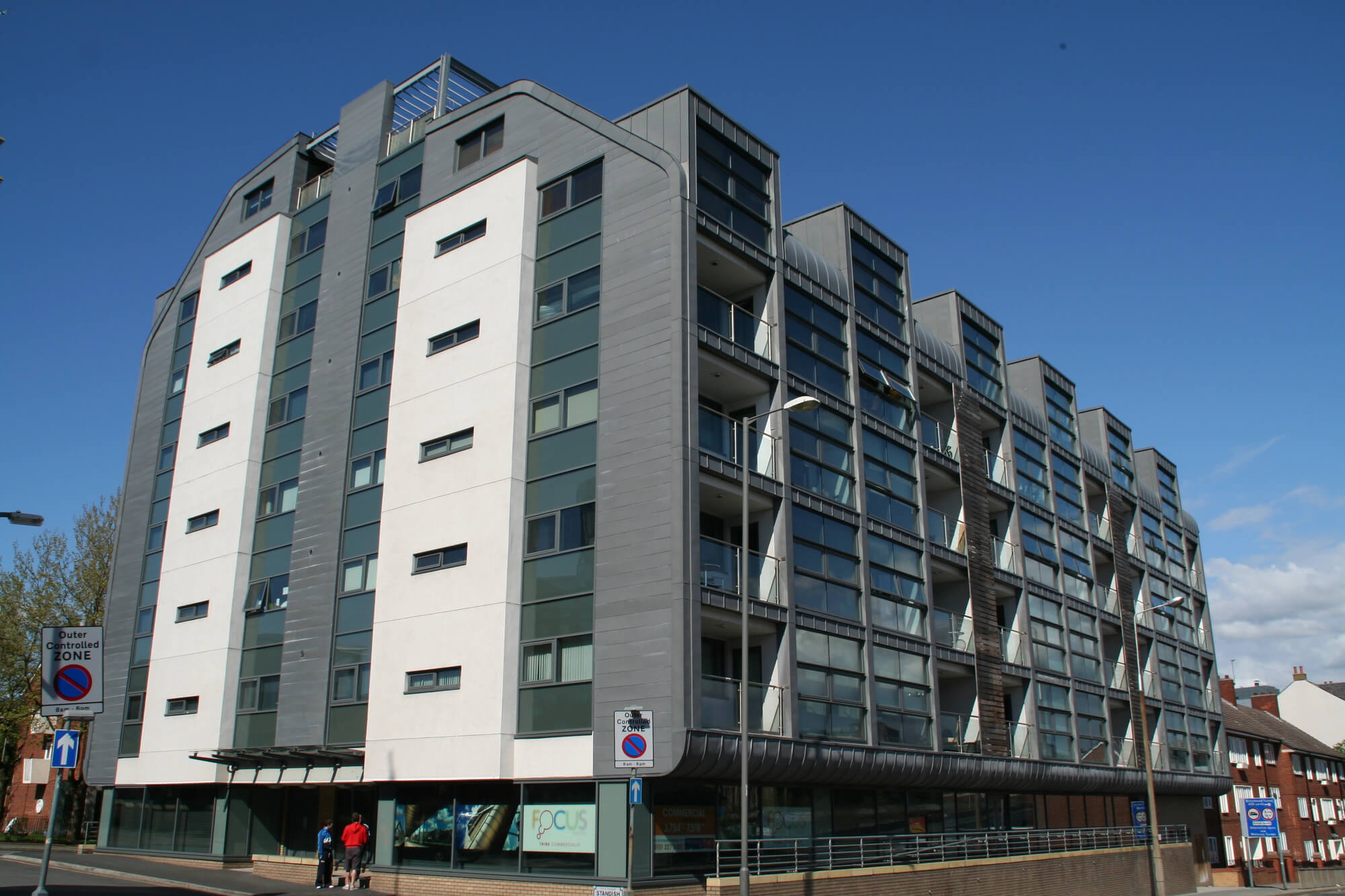
Professional Fire Risk Assessment Services Across the UK
Understanding qualifications is only part of the equation — what ultimately matters is whether your fire risk assessment is robust, defensible, and proportionate to your building.
At Fire Risk Assessment Network, we provide structured, legally compliant fire risk assessments across the UK. Our assessors follow recognised UK methodologies and ensure that each assessment is tailored to the specific building type, occupancy profile, and level of risk.
Whether you manage a small commercial premises, a block of flats, an HMO, or a complex multi-occupancy building, we ensure:
- Clear identification of hazards
- Proper evaluation of people at risk
- Structured recording of significant findings
- Practical, prioritised action plans
- Compliance with current UK fire safety legislation
If you are unsure whether your existing assessment meets the required standard — or you need a competent fire risk assessor for your premises — contact us today for a free, no-obligation quotation.
Why Competence Has Become a Greater Focus in Recent Years
Following high-profile building safety failures and increased scrutiny of fire safety management, the competence of those providing fire risk assessments has received greater attention across the UK.
Government guidance and industry bodies now place stronger emphasis on demonstrable competence, ongoing professional development, and independent verification.
For Responsible Persons, this means that due diligence in appointing a qualified and competent assessor is more important than ever.
Conclusion
There is no single legally required qualification that automatically makes someone a competent fire risk assessor in the UK. The real requirement is competence — the proven ability to carry out a suitable and sufficient fire risk assessment appropriate to your building type and level of risk.
When appointing a fire risk assessor, look for:
- Relevant, regulated fire risk assessment qualifications
- Practical experience with similar premises
- Ongoing professional development
- Independent verification where appropriate
- Clear, structured and defensible reporting
Choosing the right assessor is about more than ticking a box — it is about ensuring your fire safety responsibilities are met properly and professionally.
Frequently Asked Questions
Is there a legal qualification required to be a fire risk assessor in the UK?
No single qualification is mandated by law. The legal requirement is that the assessor is competent and that the assessment is suitable and sufficient for the premises.
What is BS 8674 and why is it important?
BS 8674 is a British Standard that provides a framework for assessing and assuring the competence of individual fire risk assessors. It helps define expectations and improve consistency across the industry.
Is a NEBOSH qualification enough to carry out a fire risk assessment?
NEBOSH provides strong fire safety knowledge, but competence depends on experience, building complexity and specific FRA training. For complex premises, additional qualifications and experience are often required.
Should I choose someone on a register?
Choosing an assessor listed on a recognised register or certified under a third-party scheme can help demonstrate due diligence and provide reassurance that competence has been independently assessed.
What is BAFE SP205?
BAFE SP205 is a third-party certification scheme for organisations that provide life safety fire risk assessments. It involves assessment and ongoing monitoring of competence and processes.
What matters more: qualification or experience?
Both are important. Qualifications demonstrate structured learning, while experience shows the ability to apply knowledge to real buildings. For higher-risk premises, experience becomes particularly critical.
How can I check if a fire risk assessor is competent?
Ask for evidence of qualifications, experience with similar premises, professional indemnity insurance, register membership or certification, and a sample report demonstrating structured reasoning and clear action plans.