Fire Risk Assessment Network Blog

Fire Detection and Warning Systems

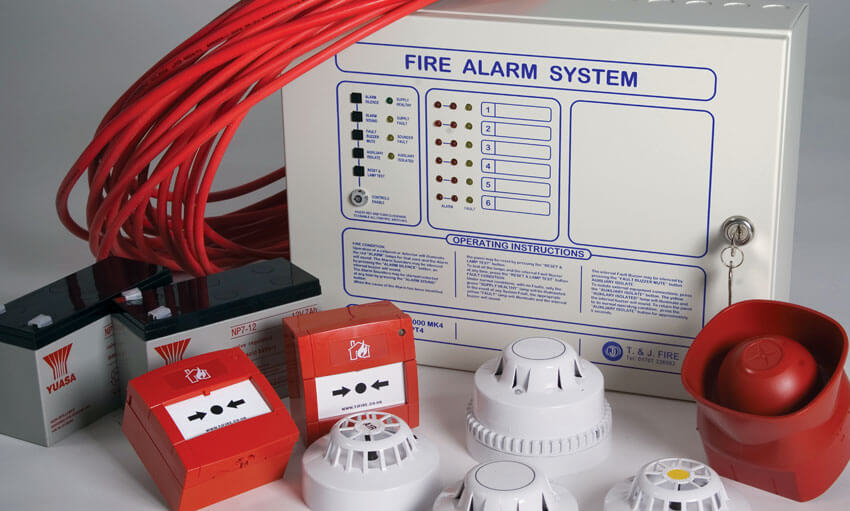
Fire detection and warning systems are a critical part of modern fire safety management. Their purpose is to detect fire at the earliest possible stage and provide a clear warning so occupants can evacuate safely. This guide explains what fire detection and warning systems are, when they are required, how they are designed, and how Read more »
Fire Signs and Notices UK: Fire Exit, Action and Safety Sign Requirements

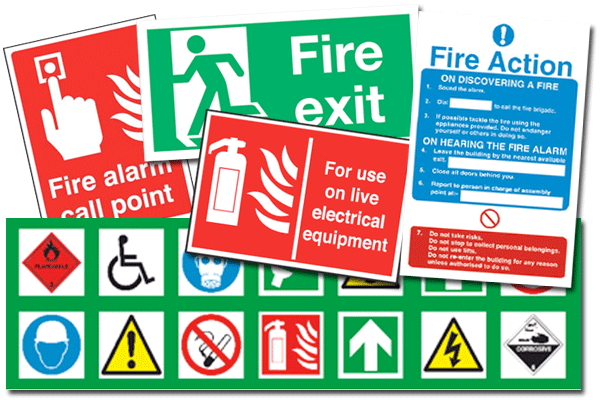
Fire signs and notices play a critical role in helping people identify escape routes, locate fire safety equipment, and understand what to do in the event of a fire. They are a key part of fire safety management across a wide range of premises, from small workplaces to complex public buildings. Under UK fire safety Read more »

Emergency Escape Lighting UK: Requirements, Testing and Fire Risk Assessments

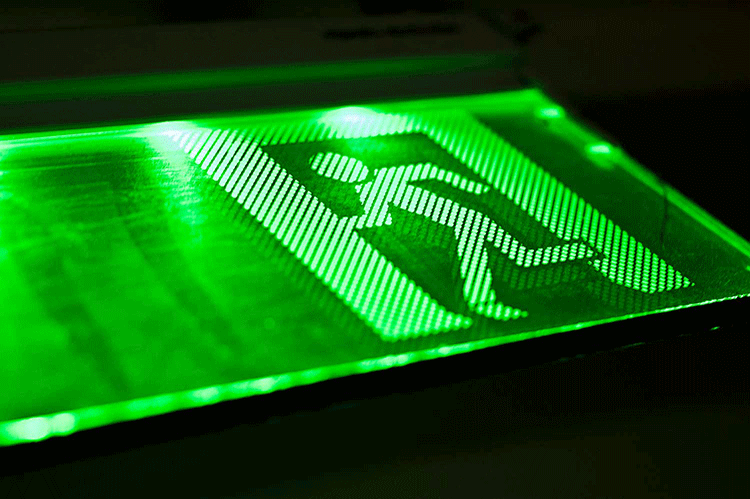
Emergency escape lighting helps people leave a building safely if normal lighting fails during a fire, power cut or other emergency. It supports safe evacuation by illuminating escape routes, exits, stairways, changes in level and key fire safety points when visibility may be reduced. Quick Answer: When Is Emergency Escape Lighting Needed? Emergency escape lighting Read more »

UK Fire and Rescue Services

Fire and rescue services play a central role in protecting life, enforcing fire safety law, and responding to fire-related emergencies across the UK. While most people associate them with emergency response, their legal responsibilities extend far beyond attending fires. For businesses, landlords, managing agents, and other Responsible Persons, understanding the role of fire and rescue Read more »

Fire Triangle/Tetrahedron Information

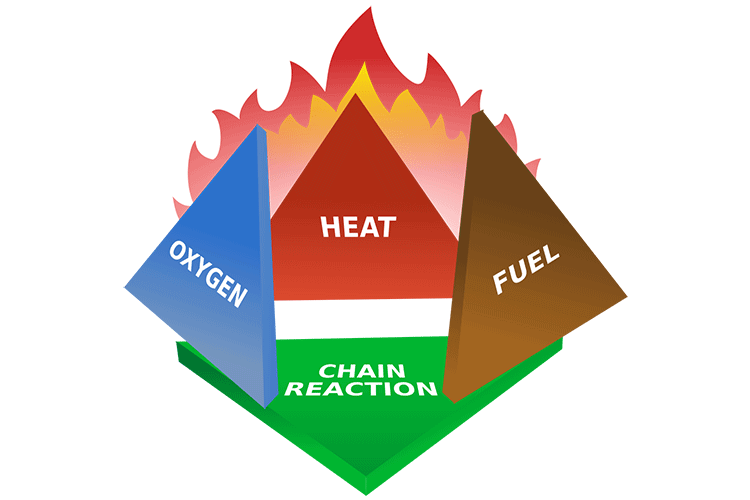
What Is the Fire Tetrahedron? The Triangle of Combustion symbolised the concept of fire for a long time and represented heat, fuel, and oxygen. Further research into fire led to the conclusion that a fourth element was a necessary component of fire, which is a chemical chain reaction. The fire triangle was subsequently changed to Read more »

Types Of Fire Extinguishers – A Guide

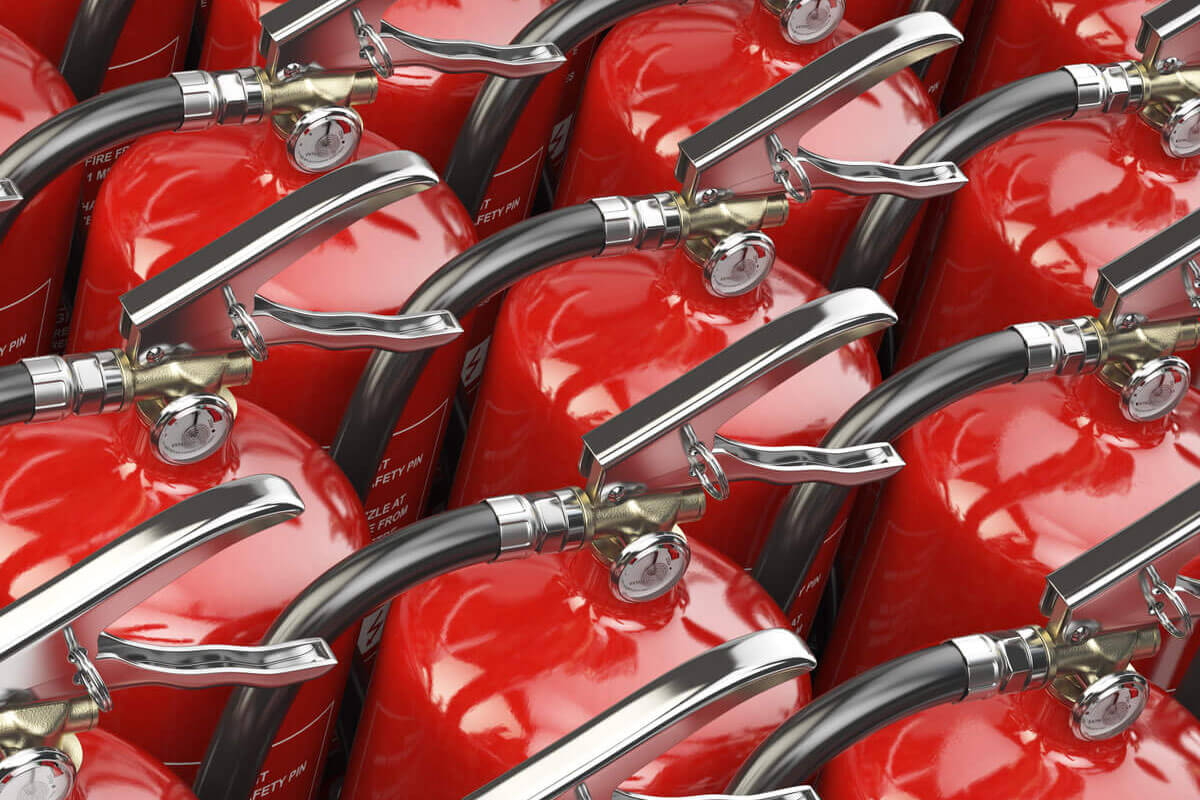
When it comes to the types of fire extinguishers, there are five main types including wet chemical, CO2, dry powder, foam and water. In order to meet the current regulations, it is important for you to have the exact type of fire extinguisher that is needed for your premises. The need for different types of Read more »

Fire Safety Management and Emergency Plans: Duties, Records and Reviews

A fire safety management and emergency plan sets out how fire safety is managed, controlled, monitored, and reviewed within a premises — and how people will be warned, evacuated, and protected if a fire occurs. Under UK fire safety law, Responsible Persons must not only assess fire risks, but also actively manage fire safety on Read more »

Fire Risk Assessment Cost UK 2026

The cost of a fire risk assessment can vary depending on a number of factors. These factors influence both the time required to carry out the assessment and the complexity of the fire risks involved. Number of buildings Size of the building or buildings Number of occupants Vulnerability of occupants Number of floors Use of Read more »

Types of Fire Risk Assessment (Type 1, 2, 3 and 4)

Fire risk assessments are a legal requirement for most buildings in the UK. However, not all fire risk assessments are the same. The type of fire risk assessment required depends on the building, its use, its construction, and the level of risk identified. In the UK, the terms Type 1, Type 2, Type 3 and Read more »

What Is A PAS 79-1 Fire Risk Assessment?

PAS 79 is the recognised British Standard methodology for carrying out and recording fire risk assessments in the UK. It provides a structured, risk-based approach to assessing fire hazards and recording significant findings, helping Responsible Persons and duty holders demonstrate compliance with UK fire safety law. In 2020, PAS 79 was updated to reflect the Read more »