Fire Risk Assessment Network Blog

Foam Fire Extinguishers

Foam fire extinguishers are commonly used in commercial and public buildings where fires involving solid materials or flammable liquids may occur. They work by smothering flames and cooling the burning material, helping to prevent re-ignition. What Are Foam Fire Extinguishers Used For? Foam fire extinguishers are primarily designed for: Class A fires – involving solid Read more »
CO2 Fire Extinguishers

A CO2 fire extinguisher is commonly used for fires involving live electrical equipment and flammable liquids (Class B). It is widely specified for electrical risks because it does not conduct electricity and leaves no residue. Where Can a CO2 Fire Extinguisher Be Used? CO2 extinguishers are most effective on small, contained Class B fires and Read more »

Dry Powder Fire Extinguishers

A dry powder fire extinguisher is an extremely versatile extinguisher choice since it can be used on a wide range of fire types. That being said, it is not recommended to use a dry powder fire extinguisher in an enclosed space. These fire extinguishers fall into one of the following types: Standard dry powder fire Read more »

ASET and RSET in Fire Engineering: What Do They Mean?

ASET and RSET are important fire engineering concepts used to assess whether people have enough time to escape before conditions become unsafe. They are commonly used in fire strategy work, evacuation analysis, smoke control design and complex building assessments. Quick Answer ASET means Available Safe Egress Time. RSET means Required Safe Egress Time. In simple Read more »

RIBA Stage Fire Safety Engineers: Fire Strategy Support by Project Stage

Whether you are undertaking a new-build project or a refurbishment, fire safety must be considered and coordinated throughout every stage of design, planning, construction, and occupation. Fire safety engineering input at the correct points within the RIBA Plan of Work helps ensure that buildings are safe, compliant, and deliverable — avoiding late-stage design changes, regulatory Read more »

HSG168 Fire Safety in Construction: Duties, Risks and Consultant Support

HSG168, Fire safety in construction, is Health and Safety Executive guidance for managing fire risks during construction work. The current third edition was published in July 2022 and is relevant to those who procure, design, develop and manage construction projects. Construction fire safety needs to be considered from the earliest design and planning stages, not Read more »

EWS1 Portal Guide

EWS1 forms are now available through a dedicated EWS1 Portal. In this guide, we answer the questions, what is the EWS1 Portal? Why was it developed? And how does it work? Introduction In the past, it was not possible for those interested in properties in high rise buildings to know if the external cladding found Read more »

Who Is Responsible for Completing a Fire Risk Assessment?

A fire risk assessment is a legal requirement for most non-domestic premises and for the common parts of residential buildings. It plays a critical role in identifying fire hazards, protecting occupants, and reducing the risk of fire-related injury or loss. A common question is who is legally responsible for completing a fire risk assessment and Read more »

Fire Safety Bill: What Became the Fire Safety Act 2021?

The Fire Safety Bill was introduced in response to the Grenfell Tower tragedy to address gaps in how fire safety responsibilities were being applied to multi-occupied residential buildings. Its purpose was to clarify how existing fire safety duties should apply to certain parts of residential buildings that had previously fallen into a grey area, particularly Read more »

Asbestos Surveys for Non-Domestic Buildings and Residential Common Parts

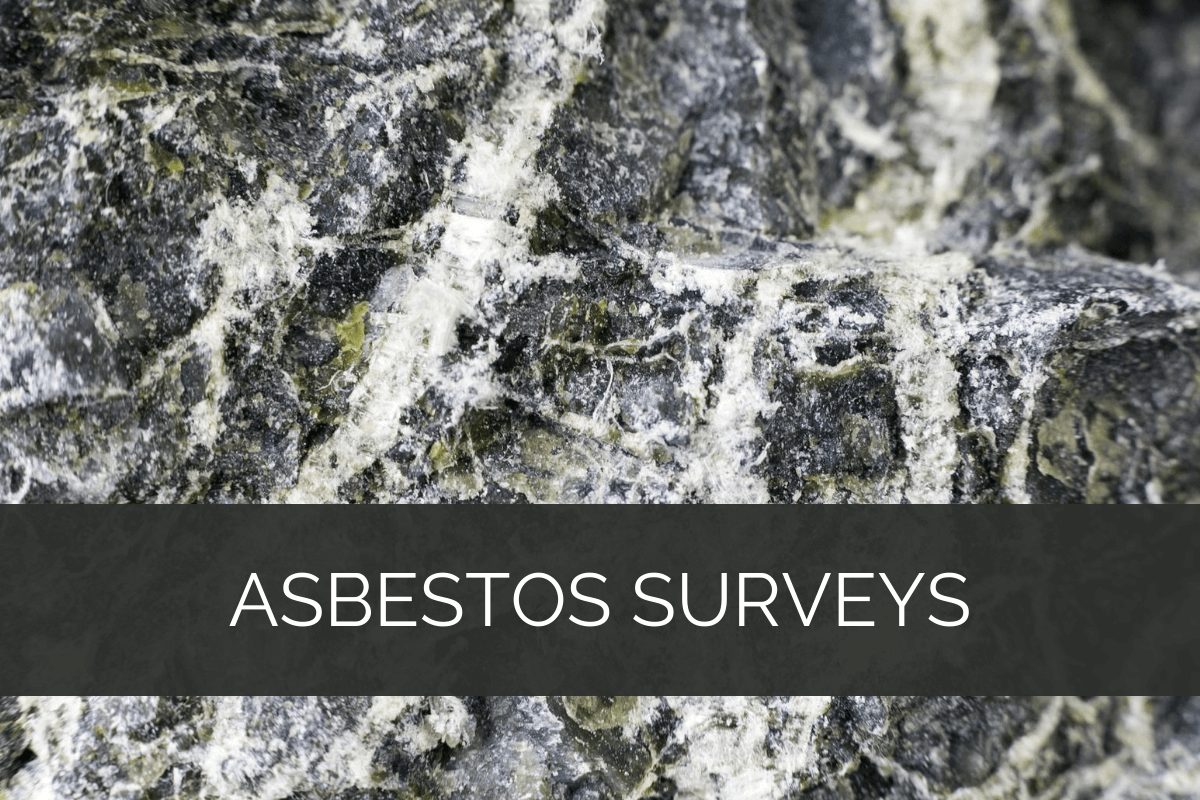
Many older buildings in the UK were constructed at a time when asbestos-containing materials were widely used in construction. Although asbestos was banned in the UK in 1999, it remains present in many non-domestic buildings and the common parts of residential properties. When disturbed, asbestos fibres pose a serious risk to human health. Under the Read more »