Fire Risk Assessment Network Blog

Dry Powder Fire Extinguishers

A dry powder fire extinguisher is an extremely versatile extinguisher choice since it can be used on a wide range of fire types. That being said, it is not recommended to use a dry powder fire extinguisher in an enclosed space. These fire extinguishers fall into one of the following types: Standard dry powder fire Read more »
ASET vs RSET

Passive fire safety measures such as building methods and materials that work to counter the spread of fire and creating separate compartments meant to contain fires are prioritised in these guidelines. In general, passive fire safety measures aim to enable people in the structure to get to safety before the situation escalates and safe evacuation Read more »

RIBA Stage Fire Safety Engineers

Whether you are undertaking a new-build project or a refurbishment, fire safety must be considered and coordinated throughout every stage of design, planning, construction, and occupation. Fire safety engineering input at the correct points within the RIBA Plan of Work helps ensure that buildings are safe, compliant, and deliverable — avoiding late-stage design changes, regulatory Read more »

HSG 168 Fire Safety in Construction Consultants

Fire safety is critical during all phases of construction projects and needs to be managed from the earliest design stages. It helps prevent injuries to people and protect buildings from fires and the correct way of handling them if they do occur. In practice, HSG 168 is most effective when applied by competent fire safety Read more »

EWS1 Portal Guide

EWS1 forms are now available through a dedicated EWS1 Portal. In this guide, we answer the questions, what is the EWS1 Portal? Why was it developed? And how does it work? Introduction In the past, it was not possible for those interested in properties in high rise buildings to know if the external cladding found Read more »

Who Is Responsible for Completing a Fire Risk Assessment?

A fire risk assessment is a legal requirement for most non-domestic premises and for the common parts of residential buildings. It plays a critical role in identifying fire hazards, protecting occupants, and reducing the risk of fire-related injury or loss. A common question is who is legally responsible for completing a fire risk assessment and Read more »

What Is the Fire Safety Bill?

The Fire Safety Bill was introduced in response to the Grenfell Tower tragedy to address gaps in how fire safety responsibilities were being applied to multi-occupied residential buildings. Its purpose was to clarify how existing fire safety duties should apply to certain parts of residential buildings that had previously fallen into a grey area, particularly Read more »

Asbestos Surveys

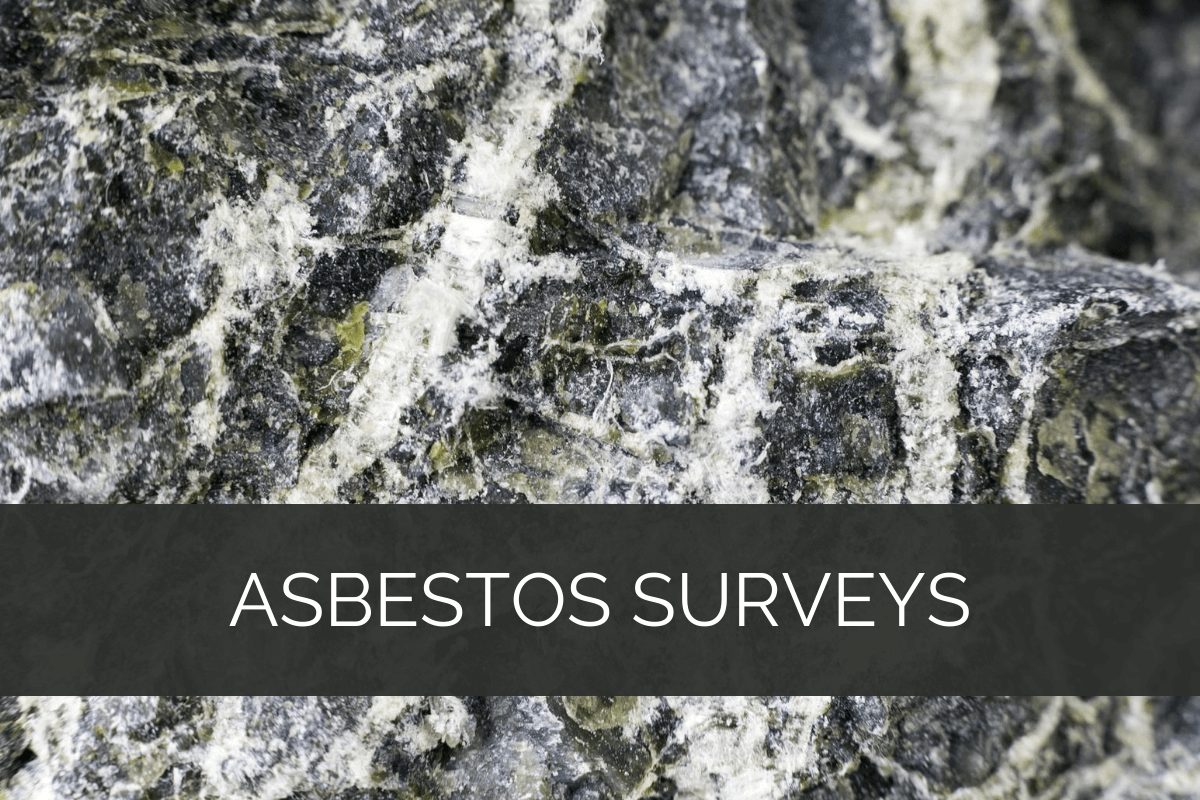
Many older buildings in the UK were constructed at a time when asbestos-containing materials were widely used in construction. Although asbestos was banned in the UK in 1999, it remains present in many non-domestic buildings and the common parts of residential properties. When disturbed, asbestos fibres pose a serious risk to human health. Under the Read more »

Fire Alarm System Surveys, Design & Installation

Fire alarm systems are a critical life safety measure and a legal requirement in many premises under UK fire safety legislation. An effective fire detection and alarm system ensures that a fire is detected early, occupants are warned promptly, and evacuation can take place safely. They are required in workplaces, commercial premises, residential buildings, and Read more »

Fire Door Installation & Maintenance

Fire doors are a critical life-safety feature in many buildings, forming part of the fire precautions required to protect escape routes, support compartmentation, and limit the spread of fire and smoke. To perform as intended, fire doors must be correctly specified, competently installed, and regularly maintained. Poor installation, incompatible components, or lack of inspection can Read more »