Lithium-ion batteries are now common in e-bikes, e-scooters, cordless tools, cleaning equipment, mobility devices, laptops, power banks and battery storage products. In many buildings they are being used, charged and stored without much thought about how they affect fire risk, escape routes, smoke spread, management procedures or emergency planning.
For responsible persons, landlords, managing agents and employers, lithium-ion battery fire risk should be considered where batteries are present in the premises or where occupants, residents, staff, contractors or visitors are likely to bring battery-powered equipment into the building.
Fire Risk Assessment Network can help arrange fire risk assessments and fire risk assessment reviews for flats, HMOs, student accommodation, workplaces, warehouses, hotels, offices and mixed-use buildings where e-bikes, e-scooters, chargers or lithium-ion battery storage may need to be assessed.
Quick Answer: Do Lithium-Ion Batteries Need To Be Included in a Fire Risk Assessment?
Yes, where lithium-ion batteries are used, charged or stored in a building, the fire risk assessment should consider whether they create additional ignition, smoke, escape route, storage, management or emergency response risks.
This is especially important in flats, HMOs, student accommodation, hotels, offices, warehouses, workshops and premises where e-bikes, e-scooters, power tools, cleaning equipment, mobility devices or battery packs are charged indoors. The assessment should consider where charging takes place, whether escape routes are affected, how batteries are stored, whether equipment is damaged or modified, and what controls are needed.
Why Lithium-Ion Battery Fire Risk Matters
Lithium-ion batteries are efficient and widely used, but they can create serious fire risks if they are damaged, poorly manufactured, incorrectly charged, modified, stored badly or exposed to heat. A battery failure can lead to rapid fire development, intense heat, flammable gases and smoke that can make escape more difficult.
The risk is not limited to homes. Many commercial and residential buildings now have battery-powered equipment on site, including e-bikes used by residents, delivery riders or staff, e-scooters, rechargeable cleaning machines, cordless tools, laptops, power banks, mobility scooters and battery storage units.
London Fire Brigade warns that e-bike and e-scooter battery fires can develop rapidly and produce toxic smoke. GOV.UK guidance from the Office for Product Safety and Standards also advises people to take care when buying, charging and storing e-bikes, e-scooters and batteries.
What Are Lithium-Ion Battery Fire Risks?
A lithium-ion battery fire risk assessment should look at how batteries could fail, how a fire could spread, who may be affected and whether existing precautions are suitable. It should also consider how the building is actually used, not just what the written policy says.
Common lithium-ion battery fire risks include:
- batteries being charged in escape routes, stairwells, corridors or communal areas;
- e-bikes or e-scooters stored against fire exits or flat entrance doors;
- overnight or unattended charging;
- damaged, swollen, overheated or previously dropped batteries;
- use of incompatible, counterfeit or poor-quality chargers;
- modified e-bikes, conversion kits or non-original battery packs;
- multiple batteries being charged from extension leads or overloaded sockets;
- batteries stored near combustible materials, gas cylinders or flammable liquids;
- lack of resident, staff or contractor instructions;
- no clear process for removing damaged batteries from use.

Who Needs To Manage Lithium-Ion Battery Fire Risk?
The person responsible depends on the type of premises. In a workplace, the employer or person in control of the premises will usually need to consider battery fire risks as part of fire safety management. In residential buildings with common parts, the freeholder, managing agent, landlord or person with control of the common parts may need to consider how battery charging or storage affects escape routes and shared areas.
The GOV.UK fire safety guidance for those with legal duties explains that responsible persons must carry out and regularly review a fire risk assessment, and must put in place appropriate fire safety measures. Lithium-ion battery risks should be considered where they are relevant to the premises.
| Premises type | Why battery risk may be relevant |
|---|---|
| Blocks of flats | Residents may charge e-bikes or e-scooters inside flats, corridors, balconies, cycle stores or communal areas. |
| HMOs | Shared escape routes, sleeping occupants, multiple unrelated residents and limited storage space can increase the impact of battery charging risks. |
| Student accommodation | High numbers of residents may use e-bikes, scooters, laptops, power banks and personal electrical devices. |
| Offices and workplaces | Staff may charge personal transport devices, laptops, cleaning machines, power tools or equipment batteries on site. |
| Warehouses and workshops | Battery-powered tools, forklifts, cleaning machines, stored stock, packaging and charging areas may create higher fire loads. |
| Hotels and hospitality premises | Guests, staff and contractors may bring battery-powered devices into buildings with sleeping risk and complex evacuation arrangements. |
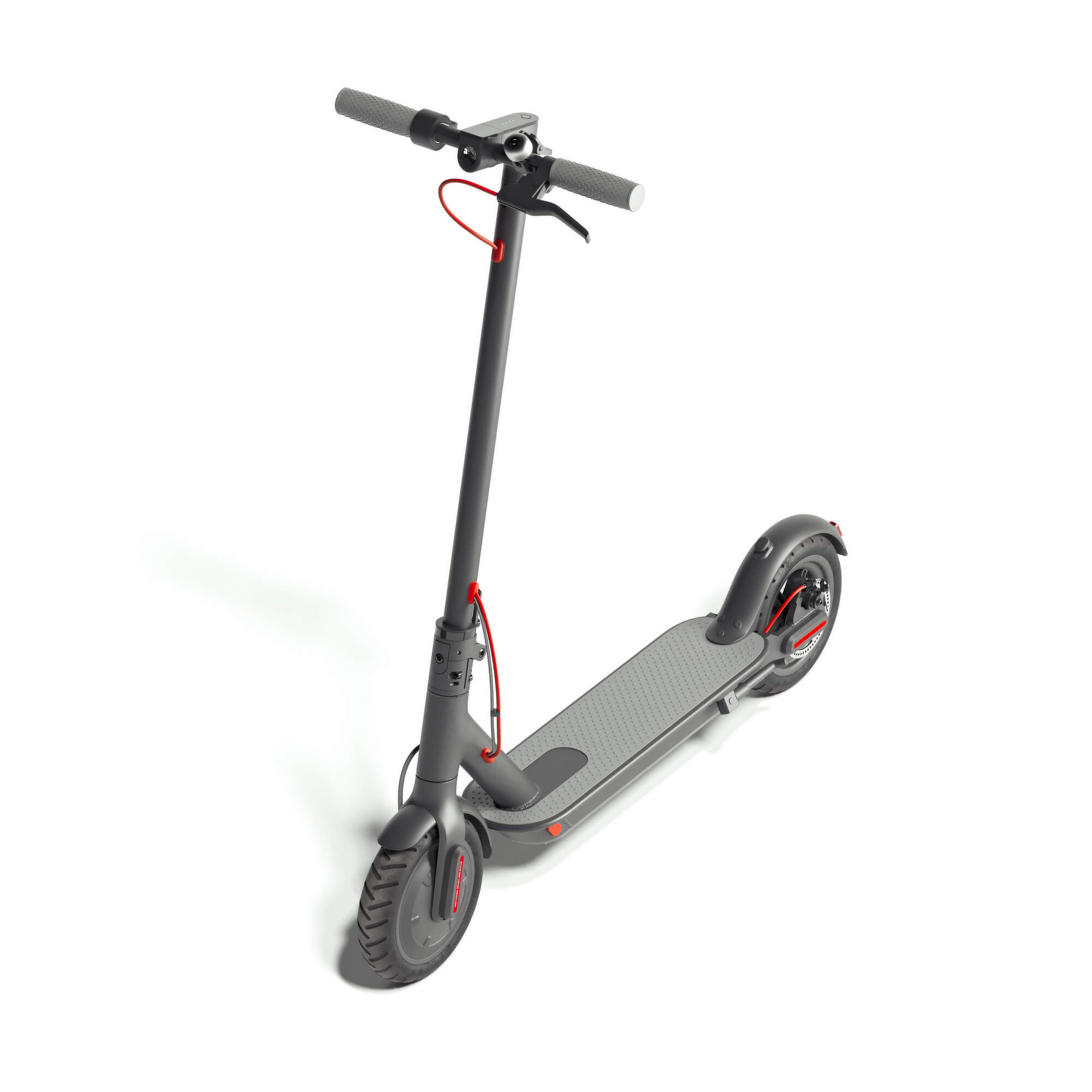
E-bikes and e-scooters are a particular concern in blocks of flats, HMOs and student accommodation because they are often charged in bedrooms, hallways, communal areas, cycle stores or near final exits. If a fire starts in or near an escape route, residents may have less time to leave safely.
Landlords and managing agents should not assume the issue is solved simply by putting up a notice. The fire risk assessment should look at how residents actually use the building, whether safe charging facilities are available, whether escape routes are being obstructed and whether the building management policy is realistic and enforceable.
For wider landlord duties, see our HMO fire safety requirements guide and our guide to types of fire risk assessment for flats.
Workplace Lithium-Ion Battery Fire Risk
Employers should consider lithium-ion battery risks where battery-powered equipment is used, charged or stored at work. This can include power tools, cleaning machines, laptops, radios, tablets, hand-held scanners, e-bike batteries, e-scooters, mobility equipment, warehouse equipment and portable battery packs.
A workplace fire risk assessment should consider whether battery charging is controlled, whether staff know what to do with damaged batteries, whether chargers are suitable, whether charging takes place away from escape routes and combustible materials, and whether fire safety arrangements remain suitable.
Where larger battery systems, industrial charging, hazardous substances or specialist processes are involved, additional specialist assessment may be needed. For workplaces involving dangerous substances, see our DSEAR risk assessment guide.
What Should a Lithium-Ion Battery Fire Risk Assessment Check?
The assessment should be proportionate to the premises and the likely battery use. A small office with a few laptops is different from a block of flats where e-bikes are regularly charged indoors or a warehouse with multiple battery-powered machines.
A lithium-ion battery fire risk review may consider:
- what lithium-ion batteries are present or likely to be brought onto site;
- where batteries are charged, stored and used;
- whether charging takes place in escape routes, stairwells, corridors or common areas;
- whether charging is supervised or left unattended overnight;
- whether chargers are compatible, undamaged and from reputable suppliers;
- whether extension leads, adaptors or overloaded sockets are being used;
- whether batteries are modified, damaged, second-hand or from conversion kits;
- whether combustible materials are stored close to batteries or chargers;
- whether fire detection and warning arrangements are suitable;
- whether escape routes and final exits remain clear;
- whether residents, employees or contractors have clear instructions;
- whether maintenance, reporting and removal procedures are in place.
Common Control Measures for Battery Charging
The correct control measures depend on the premises, risk level and practical use of the building. The aim is to reduce the likelihood of a battery fire and limit the consequences if one occurs.
| Issue | Possible control measure |
|---|---|
| Charging in escape routes | Prohibit charging or storage in corridors, staircases and routes needed for escape. |
| Unattended charging | Introduce rules to avoid charging overnight or when the area is unoccupied, where reasonably practicable. |
| Poor-quality chargers | Require compatible chargers from reputable suppliers and discourage counterfeit or damaged chargers. |
| Damaged batteries | Create a reporting and isolation process for swollen, leaking, overheating, damaged or dropped batteries. |
| Communal storage | Review cycle stores, plant rooms, cupboards and communal areas for fire separation, detection, housekeeping and escape route impact. |
| Resident or staff behaviour | Provide clear instructions, tenancy rules, workplace procedures or contractor rules where battery use is foreseeable. |
The GOV.UK statutory guidelines on lithium-ion battery safety for e-bikes and OPSS consumer guidance both reinforce the importance of safe products, suitable chargers and safer charging practices.
Need a Fire Risk Assessment Review?
If e-bikes, e-scooters, battery charging or battery storage may affect your premises, Fire Risk Assessment Network can help arrange a suitable fire risk assessment or review. This can support landlords, managing agents, employers, housing providers and property managers who need practical advice and a clear action plan.
Lithium-Ion Battery Risks in Flats, HMOs and Student Accommodation
Residential buildings with sleeping occupants need particular care because a battery fire may occur while people are asleep. If smoke or fire affects the only escape route, the consequences can be severe.
In flats, HMOs and student accommodation, the fire risk assessment should consider:
- whether e-bikes or e-scooters are stored in common parts;
- whether residents charge batteries in corridors, stairwells or near flat entrance doors;
- whether cycle stores are inside, attached to or close to the building;
- whether fire doors, compartmentation and escape routes are suitable;
- whether alarms and detection arrangements remain appropriate;
- whether residents have been given clear fire safety information;
- whether management rules are being followed and enforced.
For buildings with shared escape routes, the issue should be considered alongside general fire precautions, fire doors, emergency lighting, resident information and management records.
Lithium-Ion Battery Risks in Offices, Warehouses and Commercial Premises
Commercial premises may have different battery risks depending on the work activity. An office may mainly need to manage laptops, staff e-bike charging and portable devices. A warehouse, workshop or maintenance site may have battery-powered tools, chargers, cleaning machines, forklifts, storage areas and higher quantities of combustible packaging.
Where there are many batteries, larger equipment batteries, charging stations or storage areas, the assessment should consider whether additional controls are needed. This may include designated charging areas, housekeeping controls, staff training, damaged battery procedures, fire detection, separation from combustible materials and review of emergency arrangements.
For related premises guidance, see our pages for office fire risk assessments, warehouse fire risk assessments and fire risk assessment costs.
When Should You Review Your Fire Risk Assessment?
A fire risk assessment should be reviewed regularly and whenever there is reason to suspect it is no longer valid. Lithium-ion battery use may be a trigger for review where it changes how the building is used or introduces new fire risks.
You should consider reviewing the fire risk assessment if:
- residents or staff are now charging e-bikes or e-scooters on site;
- battery-powered equipment has increased significantly;
- a cycle store, charging point or battery storage area has been introduced;
- charging is taking place in escape routes or communal areas;
- there has been a battery overheating incident, fire, near miss or complaint;
- building use, occupancy or management arrangements have changed;
- an insurer, enforcing authority, landlord or managing agent has requested a review.
What Should Be Included in the Report?
A useful fire risk assessment report should give practical findings, not just general advice. Where lithium-ion battery risks are relevant, the report should identify what was seen, who may be affected, whether existing controls are suitable and what actions are recommended.
The report may include:
- observations on battery use, charging and storage;
- photographs where included in the agreed scope;
- risks affecting escape routes, common parts or high-risk rooms;
- comments on management policies and resident or staff information;
- prioritised actions for the responsible person;
- recommendations for review, monitoring or further specialist advice where required.
Our Lithium-Ion Battery Fire Risk Assessment Support
Fire Risk Assessment Network helps responsible persons, landlords, managing agents, employers and property managers arrange fire risk assessments and fire safety reviews across the UK. Assessors can review how lithium-ion battery use affects the overall fire risk profile of the building and provide practical recommendations for managing the risk.
This can be particularly useful for blocks of flats, HMOs, student accommodation, offices, warehouses, hospitality premises, workshops and mixed-use buildings where battery charging, e-bikes, e-scooters or portable battery-powered equipment are now part of normal building use.
Where needed, the assessment can sit alongside wider fire safety reviews covering fire doors, emergency lighting, escape routes, fire alarm arrangements, housekeeping, maintenance records and management procedures.
Get Help With Battery Fire Risk
If you are responsible for a building where lithium-ion batteries, e-bikes, e-scooters or chargers may affect fire safety, we can help you arrange a suitable fire risk assessment or review.
Frequently Asked Questions About Lithium-Ion Battery Fire Risk
Do lithium-ion batteries need to be included in a fire risk assessment?
Yes, where lithium-ion batteries are used, charged or stored on the premises, the fire risk assessment should consider whether they create additional fire safety risks. This is especially important where batteries could affect escape routes, sleeping occupants, communal areas, workplaces, storage rooms or charging areas.
Are e-bikes and e-scooters a fire risk in flats and HMOs?
They can be. The risk is higher where e-bikes or e-scooters are charged in escape routes, common parts, bedrooms or shared spaces, or where batteries are damaged, modified, counterfeit or charged with unsuitable chargers.
Can landlords ban e-bikes or e-scooters from communal areas?
Landlords and managing agents may need to introduce reasonable fire safety rules for common parts, escape routes and battery charging. The approach should be proportionate, clearly communicated and based on the risks identified for the building.
Should lithium-ion batteries be charged overnight?
Battery charging should be managed carefully. Official fire safety advice commonly warns against leaving e-bike or e-scooter batteries charging unattended or while people are asleep, particularly where a fire could affect escape routes or sleeping occupants.
What are the signs of a dangerous lithium-ion battery?
Warning signs can include swelling, overheating, leaking, strange smells, smoke, unusual noises, damage after impact, poor charging performance or visible damage to the battery or charger. Damaged or suspect batteries should not continue to be used.
Do workplaces need a policy for battery charging?
Many workplaces should have clear rules where battery-powered equipment is charged on site. The policy may cover approved chargers, charging locations, damaged battery reporting, unattended charging, housekeeping and staff responsibilities.
When should a fire risk assessment be reviewed for battery risks?
A review may be needed where e-bikes, e-scooters, battery storage, charging stations, battery-powered work equipment or portable power devices have become common in the building or workplace, or after a fire, overheating incident, near miss or significant change.
Can a fire risk assessor advise on lithium-ion battery risks?
Yes. A competent fire risk assessor can consider how battery use, charging and storage affects the building’s fire risk profile and recommend practical controls. More specialist input may be required for complex battery systems, large-scale storage or technical engineering issues.
Last updated