In case of a fire outbreak, your first consideration should be ensuring the safe evacuation of the people inside the burning building. However, sometimes fires can spread quickly and hamper people’s evacuation.
Without correctly fitted intumescent strips, even a certified fire door may fail to perform as intended in a fire situation.
The spreading smoke can further complicate the rescue of people trapped in the burning building and hamper firefighting efforts. However, you can take precautions to stop the spread of a fire in your building by installing fire doors and regular fire door inspection.
Unlike conventional doors, a fire door is built to be more resistant to fire. It is also usually fitted with seals around the edges that can halt the spread of fire and smoke to unaffected areas of your building. One of the key components in a fire door is the intumescent strip.
Quick Answer
Intumescent strips are fitted to fire doors or frames to expand when exposed to heat, helping to seal gaps and restrict fire spread. They only work properly when they are correctly specified, undamaged, compatible with the doorset and not painted over or removed.
What is an Intumescent Strip?
An intumescent strip is a heat-activated fire seal fitted to a fire door or frame. In high temperatures, it expands to close the gap between the door and frame, helping maintain the door’s fire resistance rating.
An intumescent strip is a fire-resistant seal fitted around the edges of a fire door or frame that expands when exposed to heat. When a fire occurs, the strip swells to seal the gap between the door leaf and frame, helping to prevent the spread of flames and hot gases for the rated fire resistance period (for example FD30 or FD60).
The intumescent strip around the door expands and blocks any gaps around the door space on exposure to heat from a fire. With the gaps around the door closed, the spread of a fire can be contained, albeit for a while.
Intumescent strips and smoke seals should be reviewed as part of routine fire door checks and more detailed fire door inspections. Where doors have been installed, replaced or upgraded, the specification should also be considered alongside BS 8214 fire door installation guidance.
Why Should You Install Intumescent Strips on Your Doors?
There are several key reasons why you should ensure that your fire doors have intumescent strips, including:
- They help halt the spread of a fire giving you valuable time to carry out a proper evacuation.
- Intumescent strips also help contain the quick spread of smoke from the burning part of the building to other areas. Smoke is a major reason for fatalities in the event of a fire, not to mention that it usually hampers the efforts of firefighters because it decreases visibility.
- By halting the spread of the fire, intumescent strips will give you more time to save your property.
Note that the primary function of intumescent strips on fire doors is to contain the spread of a fire and not the smoke. To prevent smoke from filtering into other parts of your building in the event of a fire, you also need to add smoke seals around your fire door.
What Are the Components Used in Fabricating an Intumescent Strip?
Intumescent seals are typically made of intumescent materials.
An intumescent material is a substance that does not burn immediately on exposure to heat but usually expands in volume while decreases in density.
Intumescent seals can be made from a wide range of synthetic polymers and resin binders such as silicone or epoxy.
Where Should Intumescent Strips Be Fitted?
Intumescent seals are typically fixed into the door frame, but they can also be fitted into grooves along the door.
To determine the most ideal placement of intumescent seals, it is essential to consider your door design.
What Size of Intumescent Strips Should You Use on Your Doors?
As mentioned earlier, intumescent strips will help halt the spread of fire in your property, but they will not hold the raging flames forever. The duration that these strips can hold fire back is usually determined by the thickness of the film used.
The standard intumescent strips available in the market can help contain a fire for either 30 or 60 minutes.
The required size of an intumescent strip is determined by the fire door manufacturer’s test evidence and certification, not just by thickness alone. Typical strip widths include 10mm, 15mm and 20mm, but the correct size must match the door’s fire resistance rating and specification.
On the other hand, if you need the seal to hold out for around 60 minutes, you should use an intumescent film that is at least 20mm thick.
The correct size is not chosen based on guesswork or door thickness. It must match the specific fire test evidence for the door assembly, including the door leaf, frame, hinges and hardware.
Types of Intumescent Strips
Different fire door assemblies require different types of intumescent seals depending on certification, acoustic requirements, and smoke control needs.
There are several types of intumescent strips used in fire doors, including:
- Single-action intumescent strips – expand under heat to seal gaps.
- Combined intumescent and smoke seals – incorporate brush or blade smoke seals within the strip.
- Surface-mounted strips – fixed directly to the frame.
- Rebated strips – fitted into routed grooves in the door or frame.
- Acoustic-rated strips – designed for doors requiring both fire and sound resistance.
The correct type must align with the door’s fire test evidence and manufacturer certification.
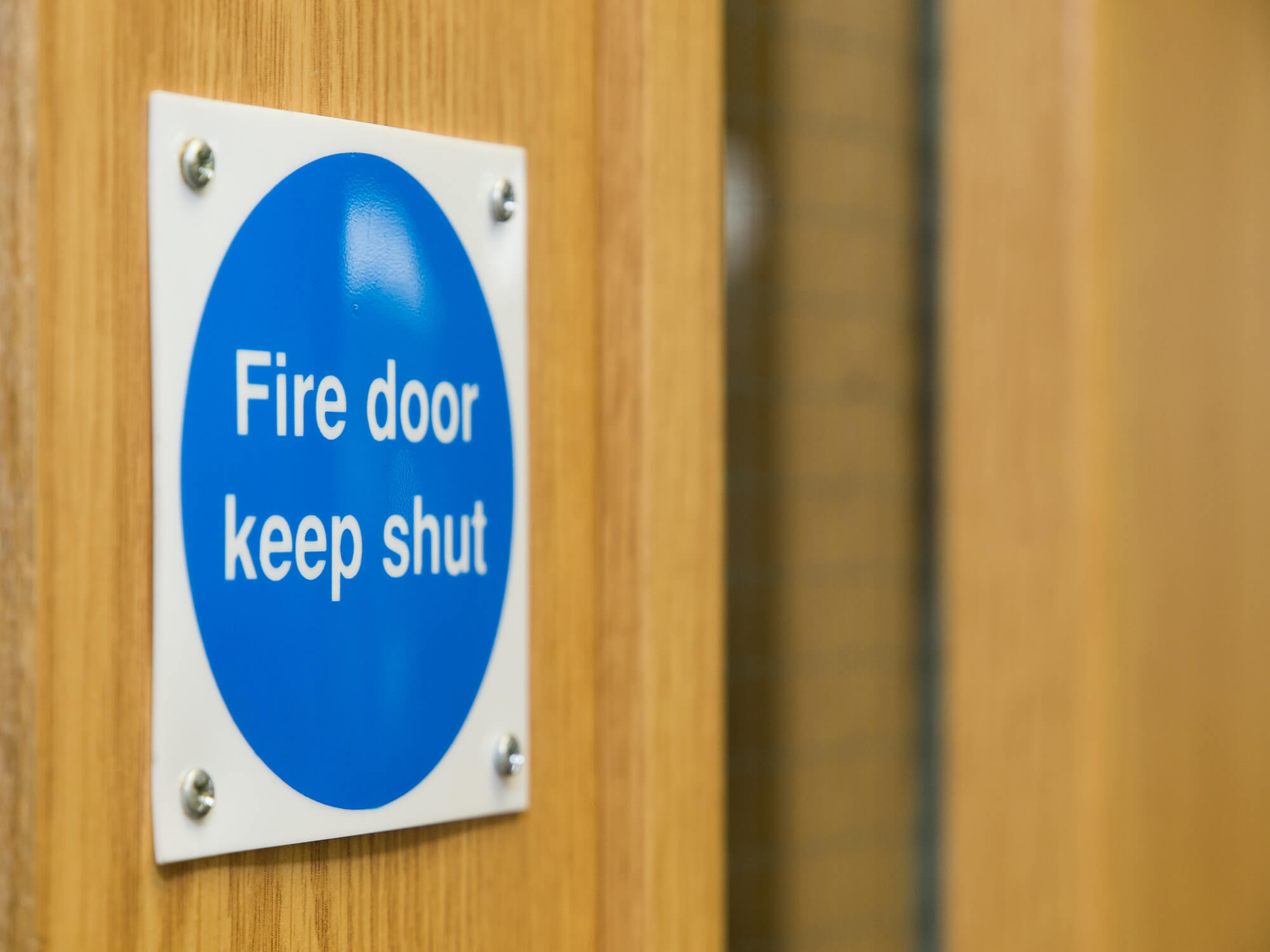
What Is the Difference Between Intumescent Strips and Smoke Seals?
A smoke seal is a film that is usually placed between the door and the entire door frame to stop toxic smoke from seeping into other areas of a building that have not yet caught fire. Unlike an intumescent seal that can stop the spread of fire and some smoke, a smoke seal only stops the spread of smoke but does not contain the spread of fire.
The main difference between a smoke seal and an intumescent seal is that once affixed to the door frame. Smoke seals are usually visible, whereas intumescent strips may be visible or concealed depending on installation method.
Note that fire safety experts advise that both smoke seals and intumescent seals are fitted on fire doors for total protection in case of a fire.
When buying a fire door for your building, it is recommended that you check whether it comes fitted with both an intumescent strip and smoke seal. If you buy a fire door with both components with a 30 minutes resistance rating, it should be labelled ‘FD30S’. If you are purchasing a fire door with a 60 minutes resistance rating, it should be labelled ‘FD60S’.
Can You Replace Intumescent Strips Yourself?
In most cases, intumescent strips should only be replaced by a competent person.
Fire doors are tested and certified as complete assemblies, which includes the door leaf, frame, hinges, glazing, hardware, and seals. The size, type, and position of the intumescent strip form part of that tested specification. Replacing a strip with the wrong size or type can invalidate the door’s fire resistance rating.
Although replacement strips are widely available, it is essential that any replacement matches the original manufacturer’s certification and fire test evidence. Simply choosing a strip based on width or thickness alone may not be sufficient.
If an intumescent strip is damaged, missing, painted over, or altered, it should be assessed as part of a formal fire door inspection. In many buildings — particularly residential and non-domestic premises — improper alterations could lead to non-compliance under fire safety legislation.
When in doubt, always seek advice from a competent fire door inspector or fire safety professional to ensure continued compliance and performance.
Intumescent Strips and UK Fire Safety Law
Under the Regulatory Reform (Fire Safety) Order 2005, the Responsible Person must ensure that fire doors are properly maintained and remain effective.
Approved Document B of the Building Regulations requires fire-resisting doors to be installed as tested and certified, including correct intumescent seals.
British Standard BS 8214 provides guidance on the correct installation and maintenance of fire door assemblies, including seals.
Failure to install or maintain intumescent strips correctly may compromise the door’s fire resistance performance.
Conclusion
Intumescent strips are a critical component of any certified fire door assembly. In the event of a fire, they expand under heat to seal the gaps around the door leaf, helping to prevent the spread of flames and hot gases for the door’s rated resistance period.
However, intumescent strips must be correctly specified, installed, and maintained in line with the door manufacturer’s certification and current fire safety standards. Incorrect sizing, damage, or removal can compromise the performance of the entire fire door.
As part of ongoing fire door inspection and maintenance, intumescent strips should be regularly checked to ensure they remain intact, continuous, and free from alteration.
Properly fitted and maintained intumescent seals play a vital role in protecting escape routes, containing compartment fires, and supporting overall building fire safety compliance.
Frequently Asked Questions
What is an intumescent strip?
An intumescent strip is a heat-activated seal fitted around a fire door or frame. When exposed to high temperatures, it expands to seal the gap between the door and frame, helping to prevent the spread of fire and hot gases.
What is the purpose of intumescent strips?
The purpose of an intumescent strip is to maintain the fire-resisting integrity of a fire door by sealing perimeter gaps during a fire. This helps contain the fire within a compartment and protects escape routes.
Are intumescent strips the same as smoke seals?
No. Intumescent strips expand when exposed to heat to resist fire spread. Smoke seals are designed to restrict the movement of cold smoke before high temperatures are reached. Many modern fire doors combine both into a single unit.
What size intumescent strip do I need?
The required size depends on the fire door’s tested and certified specification. Common widths include 10mm, 15mm, and 20mm, but the correct size must match the manufacturer’s fire test evidence and door rating (e.g., FD30 or FD60).
Do all fire doors need intumescent strips?
Yes. Fire doors must include correctly specified intumescent seals as part of their tested assembly. Removing or altering them can invalidate the door’s fire resistance rating.
How often should intumescent strips be checked?
Intumescent strips should be inspected during routine fire door inspections, typically every six months in non-domestic buildings, and more frequently in high-use or higher-risk environments.
Can you replace intumescent strips yourself?
In most cases, intumescent strips should only be replaced by a competent person. Fire doors are tested and certified as complete assemblies, and the size, type, and position of the intumescent strip form part of that tested specification. Using the wrong product or fitting it incorrectly may invalidate the fire door’s certification and compromise its fire resistance performance. Always check the manufacturer’s guidance or seek professional advice before carrying out any replacement.
Can intumescent strips be painted over?
They should not be painted over if doing so may affect their performance or obscure damage. Painted, missing or damaged strips should be reviewed as part of a fire door inspection.
Do all fire doors need smoke seals?
Not always. The need for smoke seals depends on the door specification, location, fire strategy and certification. Doors protecting escape routes often require smoke control, but the correct specification should be confirmed for the building.
Last updated