A fire strategy report sets out how a building is designed, constructed, and managed to achieve an appropriate level of fire safety. It explains how people will be protected in the event of a fire, how fire spread is controlled, and how the building complies with fire safety legislation and guidance.
Fire strategy reports are commonly required for new buildings, refurbishments, change of use, complex premises, and higher-risk buildings, and are frequently requested by building control, fire and rescue authorities, designers, landlords, and managing agents.
At Fire Risk Assessment Network, we produce clear, robust fire strategy reports prepared by competent fire safety professionals, tailored to your building and its use.
Quick Answer
A fire strategy report explains how a building is designed, altered or managed to meet fire safety objectives. It normally covers means of escape, compartmentation, fire detection and alarm systems, smoke control, fire doors, firefighting access, evacuation strategy and fire safety management. Fire Risk Assessment Network can help arrange fire strategy report support for new buildings, refurbishments, change of use projects and existing premises where fire safety design needs to be reviewed.
What Is a Fire Strategy Report?
A fire strategy report is a technical fire safety document that sets out the fire safety design approach for a building. It explains how the building is intended to protect people, limit fire and smoke spread, support safe escape and allow fire and rescue service intervention.
For new buildings and major refurbishments, the strategy normally supports Building Regulations compliance and design coordination. For existing buildings, it can help clarify the original design intent, identify gaps in fire safety information and support later fire risk assessment, refurbishment or management decisions.
A fire strategy report may refer to Approved Document B, BS 9999:2017, BS 9991:2024, BS 7974:2019 and other relevant fire safety standards or engineering principles, depending on the building and design approach.
When Do You Need a Fire Strategy Report?
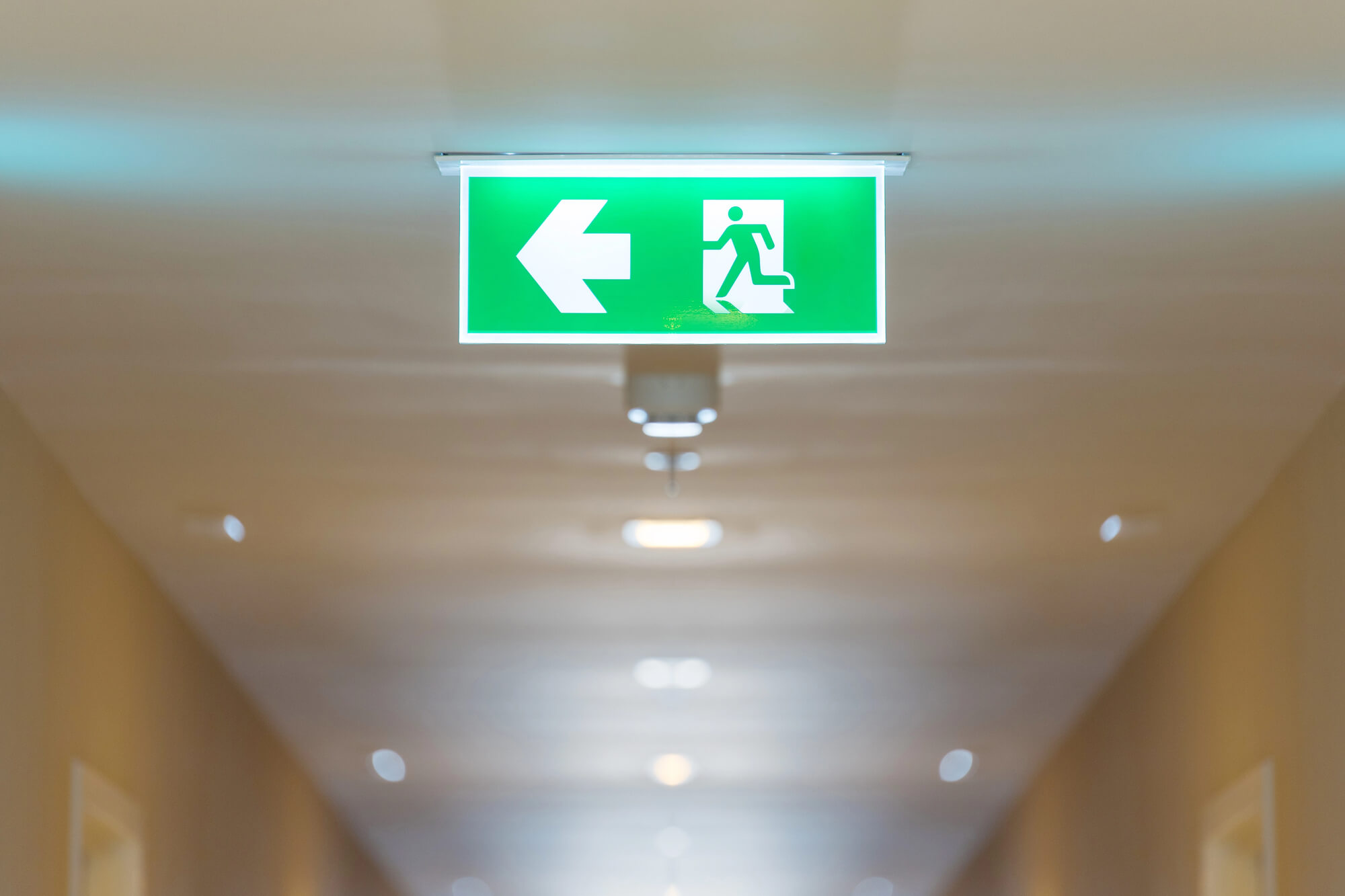
A fire strategy report is commonly needed where the fire safety design has to be explained, justified or coordinated. This can include new build projects, extensions, change of use, complex refurbishments, higher-risk residential buildings, mixed-use premises and existing buildings where original fire strategy information is missing or unclear.
| Situation | Why a Fire Strategy May Be Needed |
|---|---|
| New build projects | To coordinate means of escape, compartmentation, alarms, smoke control, fire service access and Building Regulations compliance. |
| Refurbishments and extensions | To show how proposed changes affect escape routes, fire separation, systems, occupancy and firefighting provisions. |
| Change of use | To review whether the existing building can support the new occupancy, risk profile and evacuation strategy. |
| Blocks of flats and mixed-use buildings | To clarify residential fire safety design, common parts, compartmentation, external walls, fire doors and management assumptions. |
| Existing buildings with missing information | To produce a retrospective fire strategy where the original design intent is not properly documented. |
| Complex or engineered solutions | To explain alternative approaches, fire engineering assumptions, modelling, smoke control or departures from standard guidance. |
Need a Fire Strategy Report?
Fire Risk Assessment Network can help you arrange fire strategy report support for new buildings, refurbishments, change of use projects, residential blocks and existing premises where fire safety design needs to be reviewed.
Typical Buildings That Require a Fire Strategy Report
Fire strategy reports are commonly prepared for a wide range of building types where fire safety needs to be addressed through design, layout, and management. These include:
- Residential buildings, including blocks of flats and higher-risk residential buildings
- Mixed-use developments, such as residential above commercial premises
- Office buildings and commercial premises
- Retail units and shopping centres
- Hotels and serviced accommodation
- Care homes, supported living and healthcare buildings
- Educational buildings, including schools and universities
- Industrial and warehouse premises
- Leisure buildings, such as cinemas, gyms and places of assembly
In many cases, a fire strategy report is required to support new developments, building alterations, change of use, or to provide retrospective clarification of how fire safety is achieved within an existing building.
Why a Fire Strategy Is Important
A fire strategy provides clarity and assurance that fire safety has been properly considered. It helps:
- Demonstrate compliance with fire safety legislation
- Support building control approval
- Reduce risk to occupants and visitors
- Provide a clear evacuation philosophy
- Avoid costly redesign or enforcement action
- Create a documented reference for future management
Local fire and rescue authorities and building control bodies may review fire strategy reports as part of their assessment process.
What Should a Fire Strategy Report Cover?
The content depends on the building, project stage and design complexity, but a useful fire strategy report should normally explain the key fire safety assumptions clearly enough for the design team, building control, responsible person and future building managers to understand how the building is intended to work.
- Building description, use, occupancy and risk profile
- Applicable design guidance, standards and assumptions
- Means of escape, travel distances, exits, stairs and evacuation strategy
- Compartmentation, fire resistance, protected routes and fire doors
- Fire detection, warning systems, emergency lighting and signage
- Smoke control, ventilation or suppression systems where relevant
- Access and facilities for fire and rescue services
- External fire spread, boundaries, facades and relevant wall considerations
- Fire safety management assumptions and handover information
- Any deviations, fire engineering analysis or agreed alternative approaches
Fire Strategy Report vs Fire Risk Assessment
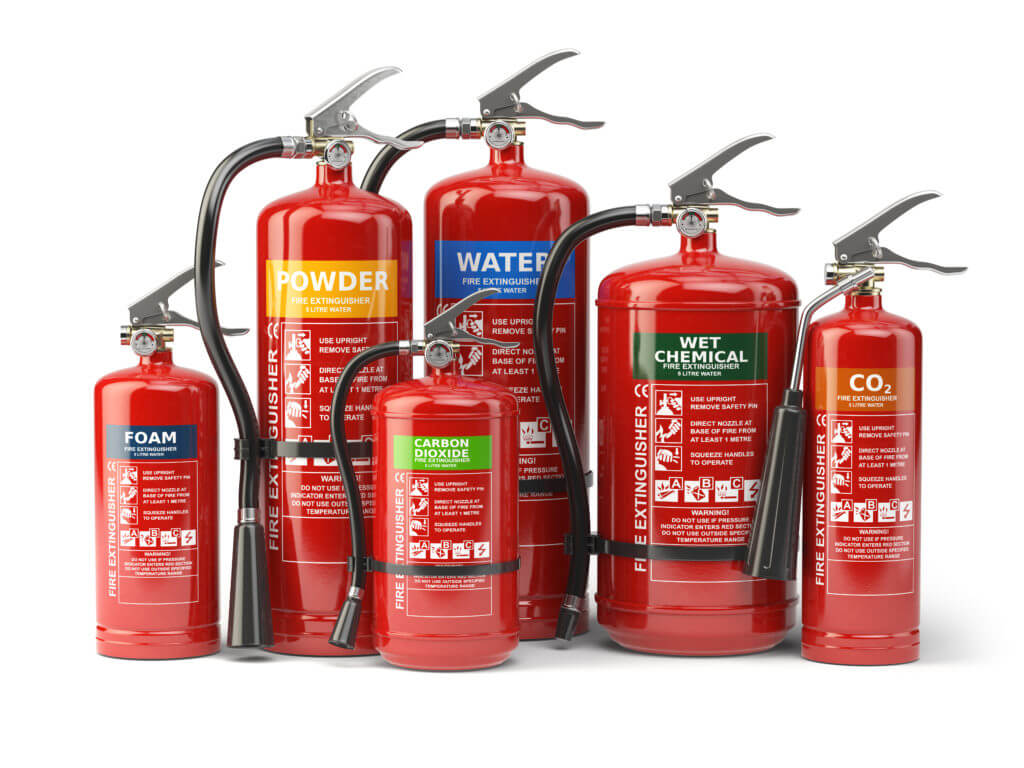
A fire strategy report and a fire risk assessment are not the same document. A fire strategy report explains how the building is designed or intended to perform from a fire safety perspective. A fire risk assessment reviews the fire hazards, people at risk, management arrangements and precautions in a building that is being occupied or used.
In simple terms, the strategy explains the design intent; the fire risk assessment checks whether the building is being managed safely in practice. If you are unsure which document you need, see our guide to the difference between a fire risk assessment and a fire strategy.
Retrospective Fire Strategy Reports
In some cases, buildings operate without a documented fire strategy or rely on outdated information. We can prepare retrospective fire strategy reports to:
- Clarify how fire safety is currently achieved
- Identify gaps or inconsistencies
- Support enforcement discussions
- Provide a defensible technical position
How We Can Help
Our fire strategy reports are prepared by competent fire safety professionals with experience across commercial, residential, and mixed-use buildings. We work closely with clients, designers, managing agents and authorities to produce reports that are:
- Clear and practical
- Proportionate to the building
- Technically robust
- Suitable for submission to regulators
We also provide ongoing support to help interpret findings and implement recommendations.
Fire Strategy Reports for Existing Buildings
Many existing buildings do not have a clear fire strategy document, especially where they have been altered over time. In those cases, a retrospective fire strategy can help establish how escape, compartmentation, fire alarm systems, fire doors, smoke control and fire safety management should work together.
This can be particularly useful for blocks of flats, mixed-use buildings, care settings, hotels, offices, schools, warehouses and premises where building control, insurers, managing agents or fire risk assessors have asked for clearer fire safety design information.
Conclusion
Fire strategy reports are a critical part of modern fire safety compliance, particularly for complex, altered, or higher-risk buildings. A well-prepared fire strategy provides clarity, supports regulatory approval, and helps protect lives and property.
If you require a new or retrospective fire strategy report, our experienced team can help.
For existing buildings where the original strategy is missing, see our retrospective fire strategy guide.
Frequently Asked Questions
What is a fire strategy report?
A fire strategy report is a technical document that explains how a building is designed or managed to achieve fire safety objectives, including escape, compartmentation, fire detection, smoke control, firefighting access and fire safety management.
When is a fire strategy report required?
A fire strategy report is commonly required for new builds, major refurbishments, extensions, change of use, complex buildings, higher-risk residential buildings and existing premises where the original fire safety design information is missing or unclear.
Is a fire strategy the same as a fire risk assessment?
No. A fire strategy explains the fire safety design intent of a building, while a fire risk assessment reviews fire hazards, people at risk, management arrangements and the suitability of fire precautions during occupation.
Who can prepare a fire strategy report?
A fire strategy report should be prepared by a competent fire safety professional with suitable knowledge of fire safety design, Building Regulations, relevant British Standards and the type of building being reviewed.
What standards are used for fire strategy reports?
Depending on the project, a fire strategy may refer to Approved Document B, BS 9999:2017, BS 9991:2024, BS 7974:2019, the PD 7974 series and other relevant fire safety guidance or standards.
Can you produce a fire strategy for an existing building?
Yes. Where the original fire strategy is missing or no longer reflects the building, a retrospective fire strategy can help document the current fire safety design and identify issues that need further review.
Can Fire Risk Assessment Network help with fire strategy reports?
Yes. Fire Risk Assessment Network can help arrange fire strategy report support for new buildings, refurbishments, change of use projects, residential buildings and existing premises that need fire safety design review.
Last updated