Fire safety regulations affect employers, landlords, managing agents, building owners, facilities managers and anyone else with control over non-domestic premises or the common parts of residential buildings. The exact duties depend on the type of premises, where the building is located and how much control you have over the fire safety arrangements.
Quick Answer: Which Fire Safety Regulations Affect You?
For most premises in England and Wales, the main fire safety law is the Regulatory Reform (Fire Safety) Order 2005. It requires the Responsible Person to carry out and record a suitable fire risk assessment, put appropriate fire safety measures in place, maintain them and keep arrangements under review. Residential buildings may also be affected by the Fire Safety Act 2021, the Fire Safety (England) Regulations 2022 and Section 156 of the Building Safety Act 2022.
Who Do Fire Safety Regulations Apply To?
Fire safety duties usually apply to the person, business or organisation with control over the premises. This may include:
- Employers
- Building owners
- Landlords and freeholders
- Managing agents and block managers
- Facilities managers
- Occupiers or tenants with control over part of a building
- Anyone else with control over fire safety arrangements
In shared or multi-occupied premises, there may be more than one Responsible Person. Where responsibilities overlap, duty holders must cooperate and coordinate so fire safety arrangements work across the whole premises.
Which Premises Are Covered?
In England and Wales, the Fire Safety Order applies to most non-domestic premises and the common parts of multi-occupied residential buildings. This includes:
- Offices, shops, factories and warehouses
- Restaurants, pubs, hotels and guest accommodation
- Schools, nurseries, healthcare and care premises
- Community halls, places of worship and public buildings
- HMOs, blocks of flats and residential common parts
- Mixed-use buildings with commercial and residential areas
Private domestic homes are generally outside the scope of workplace fire safety law, but common areas, shared escape routes and certain residential building features can fall within fire safety duties.
Which Fire Safety Regulations Affect Most Responsible Persons?
| Regulation or law | What it means in practice |
|---|---|
| Regulatory Reform (Fire Safety) Order 2005 | The main fire safety law for most non-domestic premises and residential common parts in England and Wales. It requires a suitable and sufficient fire risk assessment and appropriate general fire precautions. |
| Fire Safety Act 2021 | Clarified that, for buildings containing two or more sets of domestic premises, the Fire Safety Order includes structure, external walls and flat entrance doors where relevant. |
| Fire Safety (England) Regulations 2022 | Introduced additional duties in England for certain multi-occupied residential buildings, including resident information, fire door checks and extra high-rise building duties. |
| Building Safety Act 2022, Section 156 | Strengthened fire safety duties, including recording fire risk assessments, fire safety arrangements and assessor details, and improving information sharing. |
| Building Safety Act higher-risk building duties | Applies additional building safety duties to higher-risk residential buildings where the height, use and occupancy criteria are met. |
For more detail, see our dedicated guides to the Regulatory Reform (Fire Safety) Order 2005, Fire Safety Act 2021, Fire Safety (England) Regulations 2022 and Section 156 fire safety changes.
What Does the Responsible Person Need to Do?
The Responsible Person must take practical steps to prevent fire and keep people safe if a fire occurs. Core duties include:
- Carrying out and regularly reviewing a fire risk assessment
- Recording the fire risk assessment and significant findings
- Putting appropriate fire safety measures in place
- Maintaining escape routes, exits and fire safety systems
- Planning for emergencies and evacuation
- Providing staff information, instruction and training
- Cooperating with other duty holders in shared buildings
- Acting on defects, recommendations and significant findings
Fire Risk Assessments Are the Foundation
The fire risk assessment is the starting point for most fire safety duties. It should identify fire hazards, consider people at risk, evaluate existing precautions, record significant findings and set out actions needed to reduce or manage risk.
A suitable assessment should reflect the actual premises, not just a generic template. It should consider matters such as escape routes, fire doors, alarms, emergency lighting, fire extinguishers, compartmentation, training, evacuation strategy and vulnerable occupants where relevant.
Related guidance: when a fire risk assessment is needed, what a fire risk assessment includes and competent fire risk assessors.
Need Help Understanding Your Fire Safety Duties?
If you are responsible for a workplace, block of flats, HMO, commercial premises or mixed-use building, Fire Risk Assessment Network can help arrange a suitable fire risk assessment and practical compliance support.
We can help identify what duties apply, what records are needed and which actions should be prioritised.
Workplaces and Commercial Premises
For workplaces and commercial premises, fire safety regulations usually require the employer or person in control of the premises to manage fire safety. This includes assessing fire risk, maintaining escape routes, providing suitable fire warning arrangements, training staff and keeping fire safety measures in working order.
Examples include offices, shops, factories, warehouses, restaurants, leisure premises, schools and healthcare premises. The level of detail needed depends on the size, layout, occupancy and risk profile of the building.
Residential Buildings and Common Parts
In residential buildings, fire safety duties usually apply to common parts rather than the inside of individual private flats. Common areas can include corridors, staircases, entrance halls, plant rooms, risers, bin stores, shared escape routes and flat entrance doors where relevant.
For blocks of flats, HMOs, sheltered housing, supported housing and higher-risk residential buildings, the fire risk assessment should consider the residential context, evacuation strategy, fire doors, external wall issues where relevant and resident information duties.
Related guidance: tower block fire safety, fire risk assessments for block managers and BS 9792 housing fire risk assessments.
What Records Should Be Kept?
Responsible Persons should keep clear records so they can demonstrate that fire safety is being managed properly. Records may include:
- The fire risk assessment and review dates
- Fire safety arrangements and emergency plans
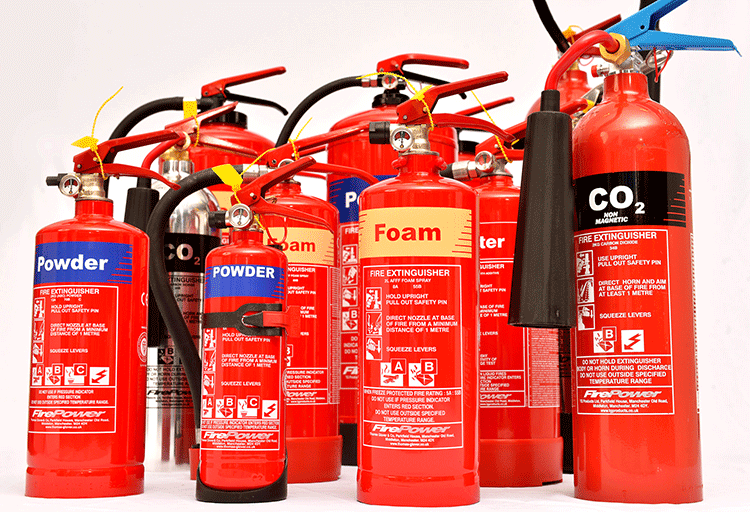
- Fire alarm, emergency lighting and extinguisher maintenance records
- Fire door checks and inspection reports
- Fire drill and staff training records
- Action plans and close-out evidence
- Information provided to residents or occupants where required
See also fire safety logbooks, fire risk assessment action plans and closing out fire risk assessment actions.
What Happens If Fire Safety Regulations Are Not Followed?
Fire and rescue authorities can inspect premises and take enforcement action where fire safety duties are not being met. Depending on the seriousness of the issue, action may include informal advice, enforcement notices, alteration notices, prohibition notices, prosecution, fines or imprisonment in serious cases.
Where a fire risk assessment is missing, generic, outdated or not acted upon, the Responsible Person may struggle to show that fire safety has been managed properly.
Related guidance: fire safety enforcement notices and what happens if you do not have a fire risk assessment.
Do Fire Safety Regulations Differ Across the UK?
Yes. Fire safety law is not identical across the whole UK. This article mainly focuses on England and Wales, where the Regulatory Reform (Fire Safety) Order 2005 is the main legislation for most non-domestic premises and residential common parts. Scotland and Northern Ireland have separate fire safety regimes, and some Crown Dependencies have their own fire safety legislation.
If your premises are outside England and Wales, you should check the applicable local legal framework and obtain competent advice where needed.
Conclusion
Fire safety regulations affect a wide range of people with control over premises, including employers, landlords, managing agents, building owners and facilities managers. The exact duties vary by building type, use, risk profile and location, but the core principle is consistent: fire risks must be assessed, managed, recorded and kept under review.
For most responsible persons, the most practical starting point is a suitable and sufficient fire risk assessment supported by clear records, training, maintenance and action tracking.
Frequently Asked Questions
What is the main fire safety regulation in England and Wales?
The main fire safety law for most non-domestic premises and residential common parts in England and Wales is the Regulatory Reform (Fire Safety) Order 2005.
Who is responsible for complying with fire safety regulations?
The Responsible Person is responsible. This is usually the employer, owner, landlord, occupier, managing agent, facilities manager or anyone else with control over the premises or fire safety arrangements.
Do fire safety regulations require a fire risk assessment?
Yes. For premises covered by the Fire Safety Order, the Responsible Person must carry out and regularly review a suitable and sufficient fire risk assessment. The assessment must be recorded.
Do fire safety regulations apply to blocks of flats?
Yes. Fire safety duties apply to the common parts of multi-occupied residential buildings. The Fire Safety Act 2021 also clarified that structure, external walls and flat entrance doors are within scope where relevant.
What changed under Section 156 of the Building Safety Act 2022?
Section 156 strengthened duties under the Fire Safety Order, including recording fire risk assessments, recording fire safety arrangements, identifying assessors and improving information sharing.
Can I carry out my own fire risk assessment?
You can carry out your own fire risk assessment if you are competent to do so. If you do not have the expertise or time, you should appoint a competent person to help.
What happens if fire safety regulations are not followed?
Failure to comply can lead to enforcement action, including notices, restrictions on building use, prosecution, fines and, in serious cases, imprisonment.
Last updated