Fire safety regulations place clear legal duties on employers and those who control workplaces in the UK. These duties are designed to protect employees, visitors, and members of the public by ensuring that fire risks are properly identified, controlled, and managed.
In England and Wales, workplace fire safety is primarily governed by the Regulatory Reform (Fire Safety) Order 2005, which introduced a risk-based approach to fire safety and removed the previous fire certificate system.
This article explains which fire safety laws apply to workplaces, who is legally responsible, what employers must do to comply, and the consequences of failing to meet these duties.
Contents
- 1 What Fire Safety Regulations Apply to Employers?
- 2 Who Is Responsible for Fire Safety in the Workplace?
- 3 Core Duties Under Workplace Fire Safety Law
- 4 Fire Risk Assessments in the Workplace
- 5 Fire Safety Systems and Preventive Measures
- 6 Fire Safety Training and Fire Drills
- 7 Relationship With the Fire Safety Act 2021
- 8 Fire Safety (England) Regulations 2022 and Higher-Risk Buildings
- 9 Enforcement of Workplace Fire Safety Regulations
- 10 Why Compliance Matters
- 11 How We Help Employers Comply With Fire Safety Regulations
- 12 Conclusion
- 13 Frequently Asked Questions
- 13.1 What Fire Safety Regulations Apply to Employers in the UK?
- 13.2 Is a Fire Risk Assessment a Legal Requirement for Workplaces?
- 13.3 Who Is Responsible for Fire Safety in the Workplace?
- 13.4 Are Fire Drills a Legal Requirement for Employers?
- 13.5 Can an Employer Carry Out Their Own Fire Risk Assessment?
- 13.6 What Happens If an Employer Fails to Comply With Fire Safety Law?
What Fire Safety Regulations Apply to Employers?
The primary legislation governing workplace fire safety in England and Wales is the Regulatory Reform (Fire Safety) Order 2005 (often referred to as the Fire Safety Order or RRO).
The Fire Safety Order applies to almost all non-domestic premises, including:
- Offices and workplaces
- Shops and retail premises
- Warehouses and factories
- Schools, colleges, and universities
- Healthcare premises
- Places of assembly
- The common parts of multi-occupied residential buildings
Under this legislation, responsibility for fire safety is placed on those who control premises, rather than on fire authorities issuing certificates.
Who Is Responsible for Fire Safety in the Workplace?
Under workplace fire safety law, responsibility rests with the Responsible Person.
This is usually:
- The employer (for workplaces)
- The building owner or landlord
- A managing agent or facilities manager
- Any person who has control of the premises
In some buildings, there may be more than one Responsible Person, each responsible for the areas under their control.
Although fire safety tasks can be delegated, legal responsibility cannot. The Responsible Person remains accountable at all times.
The government also provides clear guidance on fire safety responsibilities for employers, including requirements for fire risk assessments, staff training, and ongoing fire safety management.
Core Duties Under Workplace Fire Safety Law
Employers and Responsible Persons must take general fire precautions to ensure the safety of relevant persons.
Key duties include:
- Carrying out a suitable and sufficient fire risk assessment
- Identifying fire hazards and people at risk
- Implementing appropriate fire safety measures
- Maintaining fire detection, alarm, and protection systems
- Providing fire safety information and staff training
- Keeping fire safety arrangements under regular review
Where five or more people are employed, or where required by legislation, the fire risk assessment must be recorded in writing.
Fire Risk Assessments in the Workplace
The fire risk assessment is the foundation of compliance with workplace fire safety regulations.
A compliant fire risk assessment must be:
- Suitable and sufficient
- Proportionate to the premises and level of risk
- Kept up to date
- Acted upon
While employers may carry out their own fire risk assessment if they are competent to do so, many workplaces require the involvement of a competent fire risk assessor, particularly where buildings are complex or higher risk.
Responsible Persons should refer to official fire risk assessment guidance relevant to their premises type to ensure legal duties are met in practice.
Fire Safety Systems and Preventive Measures
Workplace fire safety regulations require appropriate preventive and protective measures, which may include:
- Fire detection and alarm systems
- Emergency lighting
- Fire doors and compartmentation
- Means of escape and signage
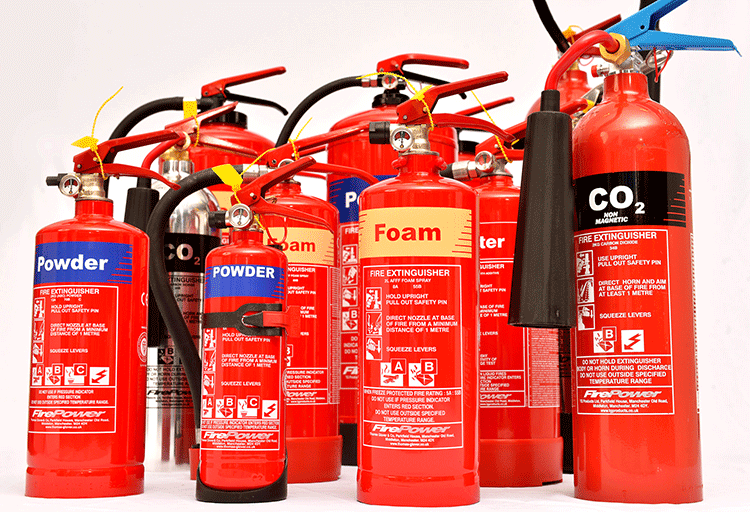
- Fire extinguishers and suppression systems
The type and extent of fire safety measures required must be determined by the fire risk assessment and designed in line with recognised British Standards where applicable.
Fire Safety Training and Fire Drills
Employers must provide employees with adequate fire safety training, including:
- Fire risks within the workplace
- Fire prevention measures
- Emergency procedures
- Evacuation arrangements
Fire drills are not explicitly defined by a fixed timetable in legislation, but regular evacuation drills are widely recognised as necessary to demonstrate effective emergency planning and staff awareness.
The frequency of drills should be informed by the fire risk assessment, staff turnover, and the nature of the workplace.

Relationship With the Fire Safety Act 2021
The Fire Safety Act 2021 clarified how the Fire Safety Order applies to multi-occupied residential buildings.
It confirmed that fire risk assessments must consider:
- The structure and external walls of the building
- Cladding, insulation, balconies, and fixings
- Flat entrance doors opening onto common parts
While the Act focuses primarily on residential buildings, it reinforces the wider application of risk-based fire safety duties under the Fire Safety Order.
Fire Safety (England) Regulations 2022 and Higher-Risk Buildings
The Fire Safety (England) Regulations 2022 introduced additional duties for certain higher-risk residential buildings, including:
- Provision of fire safety information to residents
- Regular checks on fire doors and lifts
- Wayfinding signage
- Secure storage of building information for fire and rescue services
These regulations sit beneath the Fire Safety Order and apply in addition to, not instead of, existing workplace fire safety duties.
Enforcement of Workplace Fire Safety Regulations
Fire safety legislation is enforced by fire and rescue authorities, and in some cases by the Health and Safety Executive (HSE).
Fire and rescue authorities enforce workplace fire safety legislation in accordance with published fire safety enforcement guidance. This guidance explains how inspections are carried out and how enforcement notices, prohibition notices, and prosecution decisions are made where serious fire safety failings are identified.
Enforcement action may include:
- Fire safety inspections
- Enforcement or improvement notices
- Prohibition notices
- Prosecution
- Unlimited fines and, in serious cases, imprisonment
Employers remain legally responsible even where fire safety tasks are outsourced to third parties.
Why Compliance Matters
Complying with workplace fire safety law is not just about avoiding enforcement action.
Effective fire safety management:
- Protects employees, visitors, and the public
- Reduces business disruption
- Supports insurance compliance
- Demonstrates due diligence and good governance
Maintaining a suitable and sufficient fire risk assessment and implementing appropriate fire safety measures is essential for legal compliance and life safety.
How We Help Employers Comply With Fire Safety Regulations
Complying with workplace fire safety law requires more than understanding the legislation — it requires practical, proportionate fire safety measures based on real risk.
At Fire Risk Assessment Network, we support employers, landlords, and managing agents with:
- Fire risk assessments for workplaces and commercial premises
- Fire alarm system surveys, design, and compliance advice
- External wall and residential fire safety assessments
- Competent fire safety advice aligned with UK legislation
- Clear documentation to support inspections, insurers, and enforcement authorities
Our services are designed to help Responsible Persons meet their legal duties under the Regulatory Reform (Fire Safety) Order 2005, reduce risk, and demonstrate compliance.
If you are unsure whether your current fire safety arrangements meet legal requirements, or you need professional support with a fire risk assessment, our team can provide clear, practical advice.
Conclusion
Fire safety regulations place clear legal duties on employers and those who control workplaces in the UK.
Under the Regulatory Reform (Fire Safety) Order 2005, Responsible Persons must assess fire risks, implement appropriate precautions, and ensure that fire safety arrangements are effective and maintained.
Understanding and complying with workplace fire safety law is essential to protect people, safeguard businesses, and meet legal obligations.
Frequently Asked Questions
What Fire Safety Regulations Apply to Employers in the UK?
Employers must comply with the Regulatory Reform (Fire Safety) Order 2005. This legislation requires Responsible Persons to assess fire risks, implement appropriate precautions, and protect employees and others who may be affected by fire.
Is a Fire Risk Assessment a Legal Requirement for Workplaces?
Yes. A suitable and sufficient fire risk assessment is a legal requirement for most workplaces. Where five or more people are employed, the findings must be recorded in writing.
Who Is Responsible for Fire Safety in the Workplace?
The Responsible Person is usually the employer, building owner, landlord, or managing agent. Responsibility cannot be delegated, even if fire safety tasks are outsourced.
Are Fire Drills a Legal Requirement for Employers?
Fire drills are not specified by a fixed timetable in legislation, but employers must ensure staff are trained and familiar with evacuation procedures. Regular drills are widely recognised as best practice and may be expected by enforcing authorities.
Can an Employer Carry Out Their Own Fire Risk Assessment?
An employer may carry out their own fire risk assessment if they are competent to do so. However, many workplaces require a competent fire risk assessor, particularly where buildings are complex or higher risk.
What Happens If an Employer Fails to Comply With Fire Safety Law?
Failure to comply can result in enforcement action, prohibition notices, prosecution, unlimited fines, and in serious cases, imprisonment. Employers remain legally accountable at all times.