A fire risk assessment report is the written record of what has been assessed, what fire safety risks have been identified and what actions the Responsible Person should take. A good report should be practical, specific to the premises and clear enough to support ongoing fire safety management.
Many people search for a fire risk assessment report because they want to know what they should receive after an assessment, whether their existing report is suitable, or whether a template is enough. The answer depends on the premises, risk level and competence required.
This guide explains what a professional fire risk assessment report should include, how it should link to significant findings and action plans, and what warning signs may indicate that a report is too generic or insufficient.
Quick Answer: What Should a Fire Risk Assessment Report Include?
A fire risk assessment report should include details of the premises, the assessor, people at risk, fire hazards, existing fire safety measures, significant findings, risk rating, recommended actions, priorities, responsible persons, review arrangements and supporting evidence. For more complex premises, it may also refer to fire doors, alarms, emergency lighting, compartmentation, evacuation strategy, external walls, management records and specialist surveys.
What Is a Fire Risk Assessment Report?
A fire risk assessment report records the findings of a fire risk assessment. It should show how the premises were assessed, what risks were identified and what measures are needed to remove, reduce or manage those risks.
Under fire safety law, the Responsible Person must make sure the fire risk assessment is suitable and sufficient and kept under review. The report helps demonstrate that the assessment has been carried out, that significant findings have been recorded and that fire safety actions can be managed.
The report should not be treated as a certificate or a one-off paperwork exercise. It should become part of the premises’ ongoing fire safety management records.
Fire Risk Assessment Report vs Template
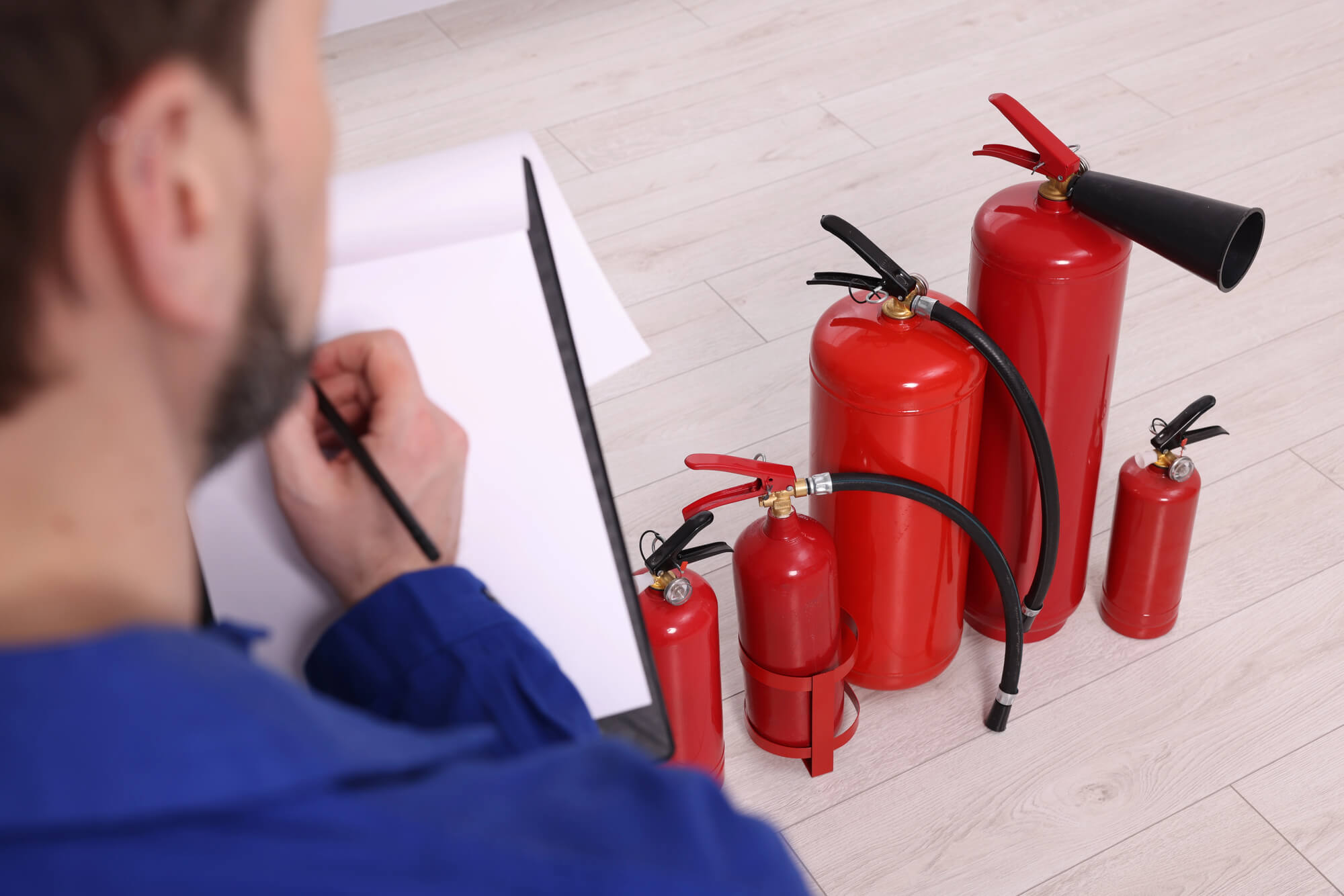
A template can help simple premises record basic findings, especially where the Responsible Person is competent to complete the assessment. However, a template is not the same as a competent professional assessment.
For larger, higher-risk or more complex premises, a professional report should provide more than tick boxes. It should explain the building-specific risks, the assessor’s findings, the evidence reviewed and the actions needed.
| Template | Professional report |
|---|---|
| Useful for simple, low-risk premises where the Responsible Person is competent. | Suitable for premises where independent competence, detailed inspection or specialist judgement is needed. |
| Often prompts the five-step process and basic records. | Should reflect the actual building, occupants, risks, systems, records and management arrangements. |
| May rely heavily on the user’s own judgement. | Should be completed or reviewed by a competent fire risk assessor. |
| May not be enough for complex layouts, sleeping risk, vulnerable occupants or high-risk processes. | Should give clear significant findings, priorities, actions and review triggers. |
Need a Professional Fire Risk Assessment Report?
Fire Risk Assessment Network can help you arrange a suitable fire risk assessment and written report for commercial, residential and mixed-use premises.
We can help responsible persons, landlords, managing agents and businesses understand what needs assessing, what records to prepare and what actions may be needed afterwards.
What Should a Fire Risk Assessment Report Include?
The exact content depends on the premises, but a good fire risk assessment report should usually cover the following areas.
| Report section | What it should cover |
|---|---|
| Premises details | Address, building use, areas assessed, number of floors, occupancy and any limitations in scope. |
| Responsible Person and assessor details | Who commissioned the assessment, who carried it out, assessor competence and date of assessment. |
| People at risk | Staff, visitors, contractors, residents, sleeping occupants, vulnerable people, lone workers or members of the public. |
| Fire hazards | Ignition sources, fuel sources, oxygen sources, work processes, storage, electrical risks, cooking, heating, smoking and arson risk. |
| Means of escape | Escape routes, travel distances, final exits, stairways, doors, emergency lighting, signage and route management. |
| Fire detection and warning | Fire alarm coverage, detection, call points, sounders, testing, servicing, cause and effect where relevant and defects. |
| Fire doors and compartmentation | Fire door condition, self-closers, seals, gaps, protected routes, compartmentation, fire stopping and areas needing further inspection. |
| Firefighting equipment | Extinguishers, hose reels where present, dry risers, sprinklers, smoke control and firefighting facilities where relevant. |
| Fire safety management | Training, drills, procedures, logbooks, maintenance records, contractor control, housekeeping and responsibilities. |
| Significant findings | The important fire safety issues identified and why they matter. |
| Action plan | Recommended actions, priorities, responsible persons, timescales and evidence needed to close actions out. |
| Review arrangements | When the assessment should be reviewed and what changes should trigger an earlier review. |
Significant Findings and Action Plans
The most useful part of a fire risk assessment report is often the significant findings and action plan. These sections turn the assessment into practical next steps.
A good action plan should explain:
- What the issue is.
- Why it matters.
- What action is recommended.
- How urgent the action is.
- Who should take responsibility.
- What evidence will show the action is complete.
Related guides: significant findings in fire risk assessments, fire risk assessment action plans and closing out fire risk assessment actions.
Should a Fire Risk Assessment Report Include Photos?
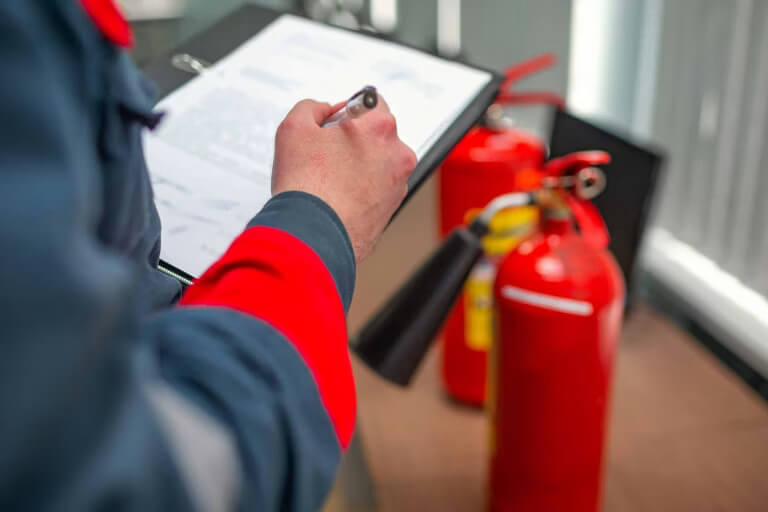
Photos are not always legally required, but they can make a report much more useful. They help the Responsible Person, managing agent, landlord or contractor understand exactly where a defect is and what needs to be corrected.
Photos can be especially helpful for issues such as damaged fire doors, missing signage, blocked escape routes, poor housekeeping, electrical concerns, fire stopping defects, emergency lighting problems or areas needing further specialist inspection.
Should the Report Include a Risk Rating?
Many professional fire risk assessment reports include a risk rating or priority system. This can help the Responsible Person understand which actions are urgent and which can be planned over a longer period.
Risk ratings should not be used as decoration. They should be clear, consistent and linked to practical action. A report that lists risks but gives no sense of priority can be difficult to manage.
Related guide: fire risk assessment risk rating systems.
What Makes a Report Suitable and Sufficient?
A suitable and sufficient report should be specific to the premises and proportionate to the risk. It should not simply repeat generic legal text or list standard controls without explaining whether they are suitable for the building.
Warning signs of a weak report include:
- No clear description of the areas assessed.
- No evidence that people at risk were properly considered.
- No meaningful findings for fire doors, escape routes, alarms, emergency lighting or management records.
- Vague recommendations such as “review procedures” without practical detail.
- No priorities, timescales or responsible persons for actions.
- No reference to limitations, missing records or further specialist checks where needed.
- Report wording that could apply to almost any building.
Related guide: what makes a fire risk assessment suitable and sufficient.
What Happens After You Receive the Report?
Receiving the report is not the end of the process. The Responsible Person should review the findings, prioritise actions, appoint competent contractors where needed and keep evidence of completed work.
After receiving the report, you should:
- Read the significant findings and action plan carefully.
- Clarify any recommendation you do not understand.
- Assign responsibility for each action.
- Set realistic completion dates based on risk.
- Keep evidence such as photos, invoices, certificates, inspection reports or contractor sign-off.
- Update the fire safety logbook or compliance record.
- Review the assessment when actions are completed or when the building changes.

When Should a Fire Risk Assessment Report Be Reviewed?
A fire risk assessment report should be reviewed regularly and whenever there is reason to suspect it is no longer valid. The law focuses on keeping the assessment accurate, not on a single fixed review period for every premises.
Review may be needed after:
- Building works or layout changes.
- Changes in occupancy, staffing, tenants or use.
- New fire safety systems or significant defects.
- A fire, near miss or enforcement visit.
- Changes to fire doors, external walls, escape routes or management arrangements.
- Insurance, landlord, managing agent or due diligence review.
Related guide: how often a fire risk assessment should be reviewed.
Professional Reports for Different Premises
The level of detail in the report should reflect the premises. A small office does not need the same depth of report as a care home, HMO, block of flats, warehouse, school, hotel or higher-risk residential building.
For more complex premises, the report may need to consider additional issues such as sleeping risk, vulnerable occupants, progressive evacuation, external walls, resident information, dangerous substances, fire strategy information, smoke control or specialist systems.
Useful related pages include office fire risk assessments, HMO fire risk assessments, blocks of flats fire risk assessments, care home fire risk assessments and warehouse fire risk assessments.
Need a Clear Fire Risk Assessment Report?
If your current report is old, unclear, generic or missing practical actions, Fire Risk Assessment Network can help you arrange a competent fire risk assessment review.
We can support commercial, residential and mixed-use premises with professional assessments, clear reports and practical action plans.
Related Fire Risk Assessment Guides
For more help, see fire risk assessment costs, what happens during a fire risk assessment visit, competent fire risk assessors, how to choose a fire risk assessment company and whether you can do your own fire risk assessment.
External Sources and Further Reading
- GOV.UK fire safety risk assessment 5-step checklist
- GOV.UK fire safety risk assessment guidance for offices and shops
- GOV.UK workplace fire risk assessment responsibilities
Conclusion
A fire risk assessment report should be more than a form. It should give the Responsible Person a clear picture of the premises, the people at risk, the fire hazards, the existing precautions and the actions needed to manage risk.
The best reports are specific, practical and easy to act on. They identify significant findings, explain priorities and help the Responsible Person track work through to completion.
Frequently Asked Questions
What should a fire risk assessment report include?
A fire risk assessment report should include premises details, people at risk, fire hazards, existing fire precautions, significant findings, risk ratings, recommended actions, priorities, review arrangements and details of the assessor.
Is a fire risk assessment report a legal requirement?
The Responsible Person must make sure a suitable and sufficient fire risk assessment is carried out and recorded where required. In practice, most business, residential and managed premises should keep a written report as evidence of the assessment and findings.
Is a fire risk assessment report the same as a certificate?
No. A fire risk assessment report is not simply a pass certificate. It records findings, risks and recommended actions. The Responsible Person must act on the findings and keep the assessment under review.
Should a fire risk assessment report include photos?
Photos are not always required, but they can make a report clearer and more useful, especially where defects, blocked routes, damaged fire doors, missing signs or other issues need to be located and corrected.
What is an action plan in a fire risk assessment report?
The action plan lists the recommended steps needed to reduce or manage fire risk. It should include priorities, timescales, responsible persons and evidence needed to confirm completion.
How do I know if my fire risk assessment report is suitable?
A suitable report should be specific to the premises, consider relevant people at risk, identify significant findings, provide practical actions and be clear enough to support fire safety management. Generic or vague reports may need review.
Can Fire Risk Assessment Network provide a fire risk assessment report?
Yes. Fire Risk Assessment Network can help arrange competent fire risk assessments and written reports for commercial, residential and mixed-use premises.
Last updated