Housing associations in the UK have significant legal responsibilities under fire safety legislation. Where you own or manage multi-occupied residential buildings, duties under the Regulatory Reform (Fire Safety) Order 2005 will usually apply.
Many housing associations operate as Registered Providers of Social Housing and are subject to heightened regulatory scrutiny in relation to resident safety. In most cases, the association will be treated as the Responsible Person for the common parts of residential buildings, including stairwells, corridors, entrance halls and plant rooms.
Fire safety is not simply an operational matter — it is a governance and risk management responsibility requiring structured oversight, documented assessments and clear action tracking.
This guide explains when a fire risk assessment is required for housing associations, how responsibility is allocated, and what must be in place to ensure lawful and defensible compliance.
If you require a compliant fire risk assessment anywhere in the UK, contact us for a free, no-obligation quotation.
Contents
- 1 Do Housing Associations Need a Fire Risk Assessment?
- 2 What Is the Legal Basis?
- 3 Portfolio-Wide Compliance Responsibilities
- 4 Fire Safety (England) Regulations 2022 – Additional Duties
- 5 Higher-Risk Residential Buildings
- 6 What Happens If a Housing Association Does Not Comply?
- 7 What Type of Fire Risk Assessment Is Required?
- 8 How Often Must a Housing Association Review Fire Risk Assessments?
- 9 Housing Association Fire Risk Assessment – Quick Compliance Summary
- 10 How Much Does a Fire Risk Assessment for Housing Associations Cost?
- 11 Why Professional Assessment Matters
- 12 Conclusion
- 13 Frequently Asked Questions
- 13.1 Are Housing Associations the Responsible Person Under Fire Safety Law?
- 13.2 Do Housing Associations Need a Fire Risk Assessment for Every Block?
- 13.3 What Additional Duties Apply Under the Fire Safety (England) Regulations 2022?
- 13.4 How Often Should a Housing Association Review a Fire Risk Assessment?
- 13.5 What Happens If a Housing Association Fails to Comply?
Do Housing Associations Need a Fire Risk Assessment?
In almost all cases, yes.
The Fire Safety Order applies to the common parts of multi-occupied residential buildings. Where a housing association owns or manages such buildings, it will usually be the Responsible Person in relation to those shared areas.
This includes:
- Purpose-built blocks of flats
- Converted buildings containing flats
- Sheltered and supported housing schemes
- Extra care housing
- Mixed-use residential buildings
The key legal test is control. If the housing association controls the common parts and manages fire safety measures, it carries legal duties under fire safety legislation.
What Is the Legal Basis?
Under Article 8 and Article 9 of the Regulatory Reform (Fire Safety) Order 2005, the Responsible Person must take general fire precautions to protect relevant persons and carry out a suitable and sufficient fire risk assessment.
In residential settings, relevant persons include residents, visitors, staff and contractors.
The law requires the Responsible Person to:
- Identify fire hazards
- Evaluate risk to residents, staff and visitors
- Implement appropriate fire safety measures
- Maintain fire safety systems
- Record significant findings where required
- Review the assessment where necessary
The Fire Safety Act 2021 clarified that the Fire Safety Order applies to building structure and external walls (including cladding systems) and flat entrance doors in buildings containing flats.
In England, the Fire Safety (England) Regulations 2022 introduced additional duties, particularly around fire door checks and resident information.
Compliance is enforced by the local Fire and Rescue Authority.
Portfolio-Wide Compliance Responsibilities
Housing associations often manage large and diverse portfolios. Compliance must therefore operate at both building level and organisational level.
This includes:
- Ensuring every relevant building has a current fire risk assessment
- Prioritising and tracking remedial actions
- Maintaining audit trails and inspection records
- Coordinating fire safety maintenance programmes
- Monitoring contractor performance
- Reporting compliance status to senior leadership and boards
Where vulnerable residents are present — such as in sheltered or supported housing — fire risk assessments must reflect the specific needs and evacuation considerations of those occupants.
A fire risk assessment must not be treated as a static document. It should form part of a structured compliance management system.
Fire Safety (England) Regulations 2022 – Additional Duties
For multi-occupied residential buildings in England, housing associations must:
- Provide residents with fire safety instructions
- Provide information about the importance of fire doors
- Undertake checks of communal fire doors
- In certain buildings, undertake checks of flat entrance doors
- Maintain records of fire door checks and related actions
These duties sit alongside the requirement to maintain a suitable and sufficient fire risk assessment.
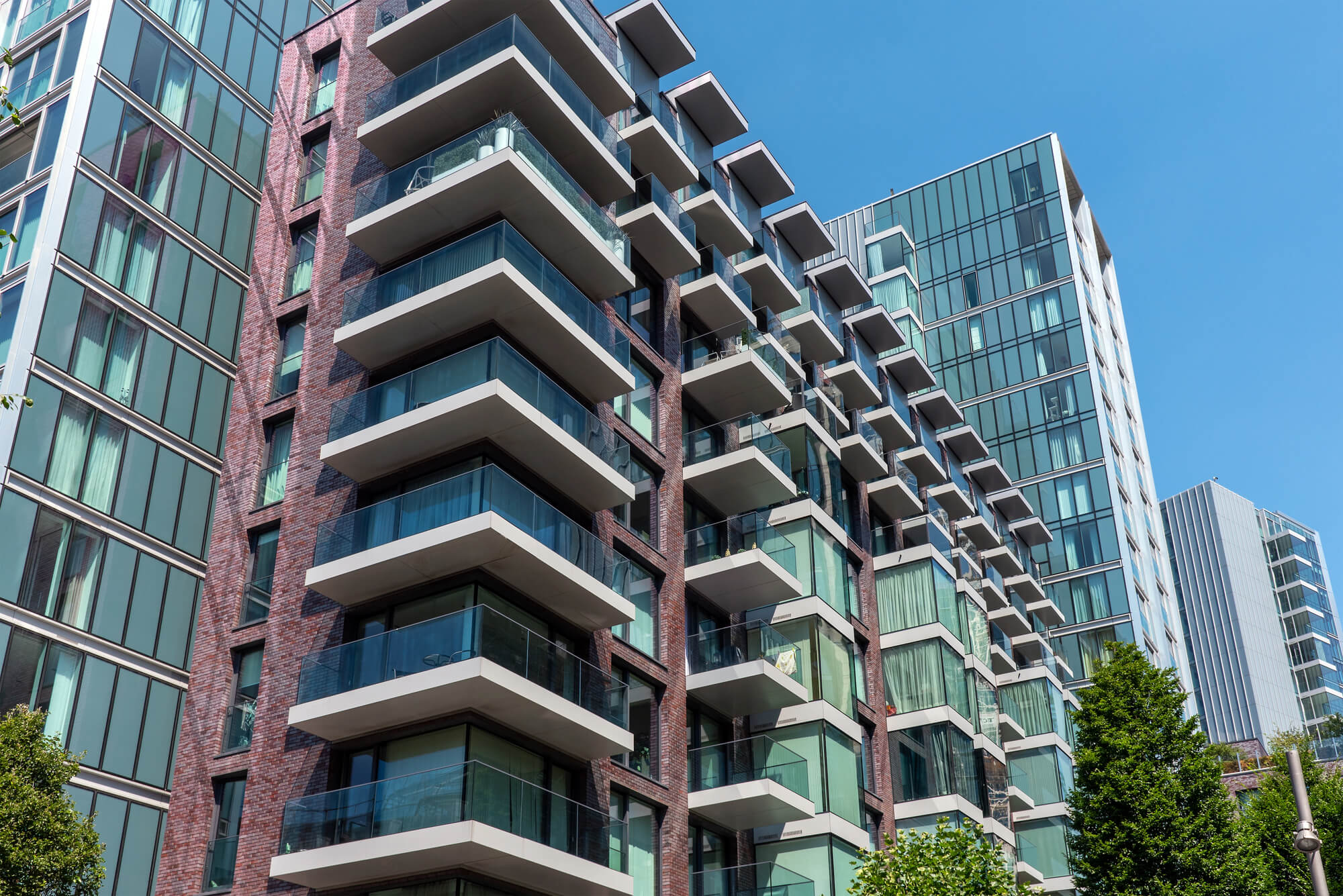
Higher-Risk Residential Buildings
Where housing associations manage higher-risk residential buildings (as defined under the Building Safety Act 2022), additional regulatory oversight may apply.
In higher-risk residential buildings, housing associations may also have duties as the Accountable Person under the Building Safety Act 2022, requiring structured safety case reporting and ongoing building safety management.
In such cases, fire risk management must align with broader building safety governance requirements, including structured documentation, reporting and accountability mechanisms.
What Happens If a Housing Association Does Not Comply?
Failure to comply with fire safety legislation can result in:
- Enforcement Notices
- Prohibition Notices
- Unlimited fines
- Criminal prosecution
- Reputational damage
- Regulatory scrutiny
Enforcement action is taken by the local Fire and Rescue Authority. In serious cases, liability may extend to individuals with managerial responsibility.
For housing associations, non-compliance also carries significant reputational and governance risk.
What Type of Fire Risk Assessment Is Required?
The appropriate fire risk assessment depends on the building type and risk profile, but typically includes:
- Communal fire risk assessments for blocks of flats
- Sheltered and supported housing assessments
- Mixed-use building assessments
- Higher-risk or complex building assessments
Assessments should be building-specific, structured and provide clear prioritisation of remedial actions.
How Often Must a Housing Association Review Fire Risk Assessments?
There is no fixed statutory review interval, but the assessment must be reviewed where necessary — particularly when:
- Refurbishment or structural changes occur
- Occupancy profiles change
- Fire safety systems are altered
- A fire or significant incident occurs
- Deficiencies are identified
Many housing associations adopt an annual review cycle, combined with periodic re-inspection depending on building risk profile.
Review frequency should be proportionate to the building’s risk profile. Higher-risk buildings may require more frequent re-inspection, while lower-risk blocks with stable occupancy and effective controls may justify longer intervals.
Housing Association Fire Risk Assessment – Quick Compliance Summary
If you own or manage multi-occupied residential buildings, you are likely to be the Responsible Person for the common parts.
You must ensure that a suitable and sufficient fire risk assessment is in place, actions are implemented and tracked, and compliance can be evidenced.
Fire safety management should be integrated into governance structures and portfolio-wide compliance systems.

How Much Does a Fire Risk Assessment for Housing Associations Cost?
The cost of a fire risk assessment depends on the size, complexity and risk level of each building.
Factors affecting cost include:
- Number of storeys
- Number of flats or residents
- Presence of external wall systems
- Complexity of escape routes
- Fire alarm system type
- Vulnerable resident profiles
Housing associations managing multiple buildings often benefit from structured portfolio-wide assessment programmes.
For an accurate quotation based on your portfolio, contact us for a free assessment proposal.
Why Professional Assessment Matters
Housing associations are subject to heightened scrutiny in relation to fire safety.
Common compliance failures identified in enforcement cases include:
- Generic assessments not tailored to the building
- Incomplete action tracking
- Poor fire door maintenance
- Weak contractor oversight
- Insufficient governance reporting
A competent, building-specific fire risk assessment provides a defensible baseline and supports structured, proactive compliance management.
Conclusion
Housing associations carry significant legal and governance responsibilities in relation to fire safety. Where you control the common parts of residential buildings, you are likely to be the Responsible Person under the Fire Safety Order.
Ensuring that suitable and sufficient fire risk assessments are in place — and that their findings are acted upon — is essential to protecting residents, maintaining regulatory compliance and safeguarding organisational reputation.
At Fire Risk Assessment Network, we work with housing associations across the UK to deliver structured, building-specific fire risk assessments with clear prioritisation and practical compliance support.
If you require a compliant fire risk assessment for your portfolio, speak to our team today.
Frequently Asked Questions
Are Housing Associations the Responsible Person Under Fire Safety Law?
In most cases, yes. Where a housing association owns or manages multi-occupied residential buildings, it will usually be treated as the Responsible Person for the common parts under the Regulatory Reform (Fire Safety) Order 2005. The key legal test is control. If the association controls the common areas and fire safety measures, it carries the relevant legal duties.
Do Housing Associations Need a Fire Risk Assessment for Every Block?
Yes. The Fire Safety Order applies to the common parts of multi-occupied residential buildings. Each relevant building must have a suitable and sufficient fire risk assessment in place, and that assessment must be reviewed where necessary. Large portfolios require structured oversight to ensure every building remains compliant.
What Additional Duties Apply Under the Fire Safety (England) Regulations 2022?
For multi-occupied residential buildings in England, housing associations must provide residents with fire safety instructions, supply information about fire doors, and carry out fire door checks in certain buildings. Records of these checks must be maintained where required. These duties sit alongside the requirement to maintain a compliant fire risk assessment.
How Often Should a Housing Association Review a Fire Risk Assessment?
There is no fixed statutory review period. However, assessments must be reviewed following material alterations, changes in occupancy, modifications to fire safety systems, or after a fire. Many housing associations adopt an annual review programme, supported by periodic re-inspections depending on building risk profile.
What Happens If a Housing Association Fails to Comply?
Failure to comply with fire safety legislation can result in enforcement notices, prohibition of use, unlimited fines and, in serious cases, criminal prosecution. Enforcement action is taken by the local Fire and Rescue Authority. Non-compliance can also lead to significant reputational and regulatory consequences.