Fire drills help test whether people know what to do if a fire occurs. They are used to check fire alarm response, escape routes, staff responsibilities, assembly points, communication, evacuation timing and arrangements for anyone who may need help to leave safely.
For employers, landlords, managing agents and other responsible persons, fire drills are not just a box-ticking exercise. They provide practical evidence that emergency procedures have been explained, tested and reviewed.
This guide explains how often fire drills should be carried out, what a drill should test, what records should be kept and how drill findings should feed back into the fire risk assessment and evacuation plan.
Quick Answer
Fire drills should be carried out often enough to test the premises evacuation arrangements and staff response. Many workplaces carry out a fire drill at least annually, or more often where the fire risk assessment, staff turnover, building complexity, shift patterns, vulnerable occupants or previous drill findings justify it. Drills should be recorded and used to improve the evacuation plan.
Are Fire Drills a Legal Requirement in the UK?
UK fire safety law requires responsible persons to plan for emergencies, provide information and instruction, and ensure people know what to do if a fire occurs. Fire drills are a recognised way of testing those arrangements.
The Regulatory Reform (Fire Safety) Order 2005 requires suitable emergency procedures where necessary. GOV.UK guidance for responsible persons also makes clear that responsible persons must plan for an emergency and provide staff information, instruction and training.
Official fire safety guidance explains that once emergency procedures have been developed and training has been given, a fire drill is the best way to evaluate whether those arrangements work in practice.
How Often Should Fire Drills Be Carried Out?
There is no single fixed fire drill frequency that applies to every premises. The frequency should be based on the fire risk assessment, the type of building, the people present and how the premises are managed.
| Premises or situation | Typical approach |
|---|---|
| Small, simple workplaces | Often at least annually, where suitable for the risk profile. |
| Premises with high staff turnover | More frequent drills may be needed so new staff understand procedures. |
| Shift work or night work | Drills should include different shifts, not only daytime staff. |
| Schools, care settings and public buildings | More structured drill programmes may be appropriate due to occupant profile. |
| Complex or higher-risk premises | Frequency should reflect the fire risk assessment, evacuation strategy and management arrangements. |
| After layout or procedure changes | A drill or targeted exercise may be needed to test the updated arrangements. |
As a practical benchmark, many premises carry out drills at least once a year. However, official guidance recognises that higher-risk premises, high staff turnover or changes to working practices may require drills more often.
Who Is Responsible for Organising Fire Drills?
The responsible person is legally accountable for ensuring suitable fire safety arrangements are in place. This may be an employer, building owner, landlord, managing agent, occupier or another person with control of the premises.
The task of arranging a drill can be delegated to a competent manager, facilities team, fire marshal or external fire safety adviser, but legal responsibility remains with the responsible person.
In shared premises, responsible persons should cooperate so fire drill arrangements do not conflict and occupants understand what applies to their part of the building.
What Should a Fire Drill Test?
A fire drill should test whether the emergency arrangements actually work, not just whether people can leave the building. A useful drill may check:
- Whether the alarm is heard and recognised
- Whether staff know what to do when the alarm sounds
- Whether escape routes and final exits are clear
- Whether people use the correct escape routes
- Whether fire doors, signage and emergency lighting support evacuation
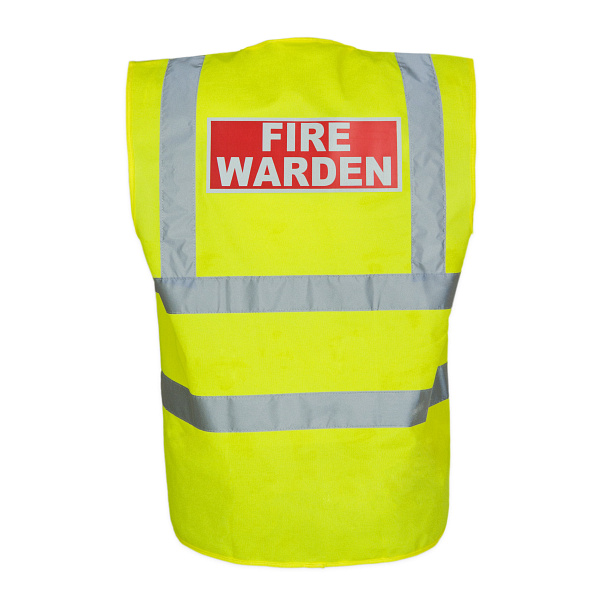
- Whether fire marshals or wardens understand their duties
- Whether visitors, contractors or members of the public are managed properly
- Whether people who may need assistance are supported appropriately
- Whether assembly point and roll-call arrangements work
- Whether communication with managers or emergency services is clear
If the drill identifies confusion, delays, blocked exits or unclear roles, the evacuation plan and fire risk assessment should be reviewed.
How to Carry Out a Fire Drill
The exact approach depends on the premises, but a structured drill usually includes the following steps:
- Plan the objective. Decide what you are testing, such as alarm response, a new escape route, fire warden duties or assisted evacuation arrangements.
- Choose a suitable time. Avoid creating unnecessary risk, but make the drill realistic enough to test normal working conditions.
- Brief key people. Fire wardens, managers and any observers should understand their roles.
- Activate the alarm or start the exercise. The method should match the emergency procedure where possible.
- Observe behaviour. Record how people respond, which routes they use and whether any delays occur.
- Check the assembly point. Confirm whether people report to the correct place and whether roll-call arrangements work.
- Debrief and record findings. Capture what worked, what failed and what actions are needed.
- Update arrangements. Amend the evacuation plan, training or fire risk assessment where needed.
Should Fire Drills Be Announced or Unannounced?
Announced drills can be useful when staff are new, where procedures have changed, or where vulnerable people may be affected. They help avoid panic while people learn the correct process.
Unannounced drills can provide a more realistic test, but they should be used carefully. The responsible person should consider business-critical operations, vulnerable occupants, visitors, security arrangements and any risks created by a sudden evacuation.
For many premises, a sensible approach is to start with announced or partially announced drills, then introduce more realistic exercises once staff understand the procedure.
Fire Drill Records: What Should Be Recorded?
Fire drill records are important because they show that emergency arrangements are being tested and improved. Records may be kept in a fire safety logbook or other compliance system.
| Record item | Why it matters |
|---|---|
| Date and time | Shows when the drill took place and whether different shifts are covered. |
| Areas involved | Identifies whether the whole building or only part of it was tested. |
| Evacuation time | Helps identify delay, congestion or unclear procedures. |
| People involved | Shows whether staff, occupants, contractors or visitors were included. |
| Issues found | Records problems with alarms, doors, signage, escape routes, staff response or assembly points. |
| Actions required | Turns drill findings into improvements with owners and deadlines. |
For broader fire safety record keeping, see our guide to fire safety logbooks.
Fire Drills and Fire Evacuation Plans
A fire drill should test the fire evacuation plan. If people do not understand the alarm, use the wrong exit, gather in the wrong place or ignore instructions, the plan may need to be revised.
For more detail on written procedures, see our guide to fire evacuation plans. For the wider method of evacuation, see fire evacuation strategies.
Fire Drills for Different Premises
Fire drills should be adapted to the building and the people who use it.
- Offices: test staff response, fire warden roles, visitors, assembly points and escape route use.
- Schools and nurseries: consider supervision, safeguarding, head counts and age-appropriate instructions.
- Care homes: drills should reflect staff duties, progressive horizontal evacuation and resident needs.
- Hotels and hospitality: consider guests unfamiliar with the layout, night-time staffing and alarm response.
- Warehouses and industrial premises: consider machinery shutdown, large travel distances, contractors and vehicle movement.
- Blocks of flats and HMOs: resident fire drills are not always appropriate, particularly where stay put applies, but staff in staffed buildings may still need exercises and training.
Common Fire Drill Problems
Fire drills often reveal practical issues that are not obvious on paper. Common problems include:
- People ignoring the alarm or waiting for confirmation
- Staff being unsure who should call emergency services
- Blocked or poorly signed escape routes
- Fire doors wedged open or not closing properly
- Visitors or contractors not knowing where to go
- Roll-call procedures taking too long
- Assembly points being unsafe or unclear
- PEEP or assisted evacuation arrangements not working in practice
These findings should be treated as useful evidence. The purpose of a drill is to find weaknesses before a real fire does.
How Fire Risk Assessment Network Can Help
Fire Risk Assessment Network can help responsible persons arrange fire risk assessments and fire safety compliance support where evacuation procedures, fire drills, staff training, emergency plans or fire safety records need review.
Support may include reviewing evacuation arrangements, identifying gaps in fire drill records, checking whether fire safety measures support safe evacuation and advising when a fire risk assessment should be updated.
Need Fire Drill or Evacuation Arrangements Reviewed?
Fire Risk Assessment Network can help arrange fire risk assessments and fire safety compliance support where fire drills, evacuation plans, staff training or emergency procedures need competent review.
Frequently Asked Questions
Are fire drills a legal requirement in the UK?
Fire safety law requires suitable emergency procedures, information, instruction and training. Fire drills are a recognised way to test whether those arrangements work. Official guidance indicates that fire drills should be carried out where necessary, with frequency based on the fire risk assessment.
How often should fire drills be carried out?
Many premises carry out fire drills at least annually, but the frequency should be determined by the fire risk assessment. Higher-risk premises, shift work, high staff turnover, vulnerable occupants or recent changes may justify more frequent drills.
Who is responsible for organising fire drills?
The responsible person is legally accountable. This may be an employer, landlord, managing agent, building owner, occupier or another person with control of the premises. The task can be delegated, but responsibility remains with the responsible person.
Do fire drills need to be recorded?
Yes. Fire drill records should normally include the date, time, areas involved, evacuation time, issues identified and actions required. Records help demonstrate that emergency arrangements are being tested and reviewed.
What should be tested during a fire drill?
A fire drill should test alarm response, escape routes, staff roles, fire warden duties, assembly points, communication, roll-call arrangements and support for people who may need assistance.
Should fire drills be announced?
Announced drills can be useful for training and introducing new procedures. Unannounced drills may provide a more realistic test, but they should be planned carefully so they do not create unnecessary risk.
Are fire drills needed in blocks of flats?
Resident fire drills are not always appropriate in blocks of flats, particularly where a stay put strategy applies. However, staff in staffed buildings may still need training, exercises and clear procedures. Residents should be given clear information about the building’s evacuation strategy.
What happens if a fire drill identifies problems?
Problems should be recorded, investigated and corrected. The fire evacuation plan, staff training, signage, escape routes or fire risk assessment may need to be updated.
Last updated