Fire detection and warning systems are a critical part of modern fire safety management. Their purpose is to detect fire at the earliest possible stage and provide a clear warning so occupants can evacuate safely.
This guide explains what fire detection and warning systems are, when they are required, how they are designed, and how they fit into current UK fire safety law.
Quick Answer: What Is A Fire Detection And Warning System?
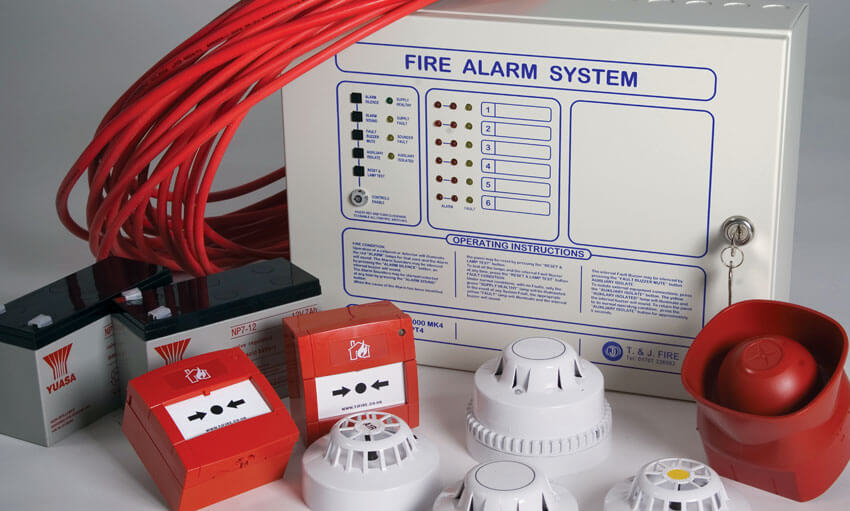
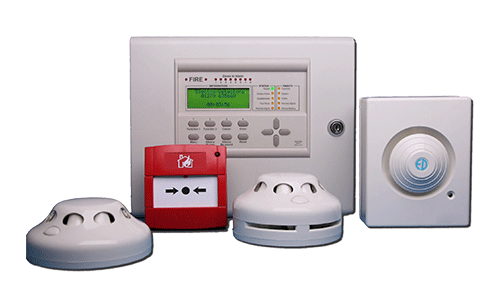
A fire detection and warning system is the arrangement used to detect a fire and warn people in the building. It may include manual call points, smoke detectors, heat detectors, sounders, visual alarm devices, control panels, monitoring and cause and effect programming.
The type and coverage should be based on the fire risk assessment and designed with reference to current standards such as BS 5839-1:2025 for non-domestic premises.
What Are Fire Detection and Warning Systems?
Fire detection and warning systems are installed in a wide range of premises to protect occupants from fire by providing early detection and a clear means of warning.
They are used across non-domestic premises and the common parts of residential buildings, including offices, retail units, healthcare settings, residential blocks, industrial premises, and mixed-use buildings.
The design and operation of these systems must reflect building layout, occupancy, fire risk, and evacuation strategy.
Legal Context: Fire Detection Systems and Fire Safety Law
Fire detection and warning systems are not optional where they are necessary to protect life. They form part of the Responsible Person’s legal duty under UK fire safety legislation.
In England and Wales, fire safety duties are governed primarily by the Regulatory Reform (Fire Safety) Order 2005, which requires the Responsible Person to:
- Carry out a suitable and sufficient fire risk assessment
- Implement appropriate fire safety measures
- Maintain fire safety systems in efficient working order
Recent Legislative Changes
Fire safety duties have been strengthened by recent legislation:
Fire Safety Act 2021
Clarified that fire risk assessments in multi-occupied residential buildings must explicitly consider building structure, external walls (including cladding, balconies, and fixings), and flat entrance doors. While not limited to detection systems, this reinforced expectations around competence, scope, and assessment quality.
Section 156 – Building Safety Act 2022
Removed previous thresholds and requires fire risk assessments and fire safety arrangements to be recorded in writing for all relevant premises. Fire safety decisions — including detection system selection — must now be demonstrable, auditable, and capable of inspection.
Fire Safety (England) Regulations 2022
Introduced additional duties for higher-risk residential buildings, reinforcing the importance of accurate building information, maintained systems, and ongoing management. While not directly prescribing detection systems in all premises, these regulations reflect current enforcement expectations across sectors.
Together, these changes place greater emphasis on documented fire risk assessments, justified system design, and ongoing system management.
How Fire Risk Assessments Determine Fire Detection Systems
A fire detection and warning system must always be determined through a fire risk assessment. There is no single system suitable for all premises.
The assessment will consider factors such as:
- Building size, height, and layout
- Occupant numbers and movement patterns
- Vulnerability of occupants
- Sleeping risk where applicable
- Fire load and ignition sources
- Out-of-hours use
- Evacuation strategy
Fire detection systems are typically designed in accordance with BS 5839-1, which defines system categories such as manual systems, life protection systems, and property protection systems.
The fire risk assessment determines whether detection is required, where it is needed, and how it should operate to support safe evacuation.
For more detail on the category of system that may be needed, see our guide to fire alarm categories and grades. If you need a survey or design support, see our fire alarm system services page.
Fire Detection and Warning System Components
A fire detection and warning system may include several components, depending on risk and layout.
Manual Call Points
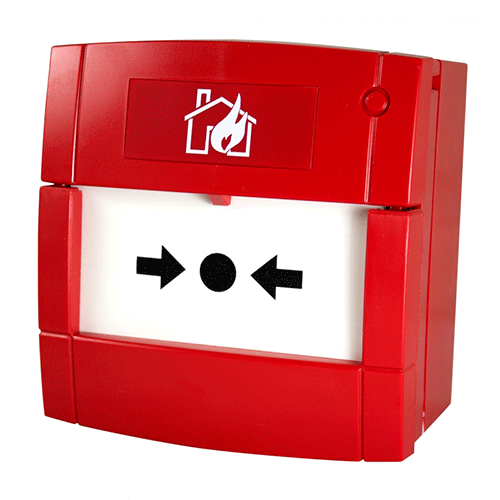
Manual call points (often referred to as break-glass units) allow occupants to raise the alarm immediately upon discovering a fire. They are typically positioned near exits and along escape routes so that no person needs to travel excessive distances to activate the alarm.
Control and Indicating Equipment
The control panel receives signals from detectors and call points, activates alarms, and provides information to staff or responding services. In larger or multi-zoned premises, panels may display zone information to assist incident management.
Audible and Visual Warning Devices
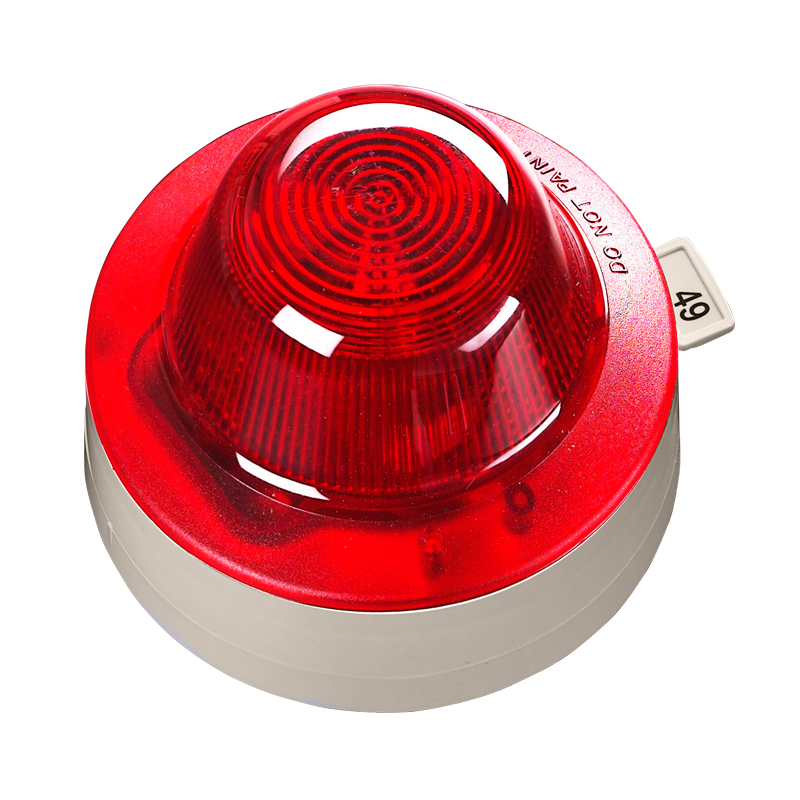
Audible alarms must be loud enough to be heard above background noise. In areas with high ambient noise or where hearing protection is used, alarms may need to be supplemented with visual warning devices such as beacons.
Automatic Fire Detection
Automatic fire detection may be required where:
- Fire could develop unnoticed
- Escape routes could become compromised before discovery
- Occupants may be isolated or unsupervised
- The building is used outside normal hours
- Compensatory measures are needed due to layout constraints
Detectors may include smoke, heat, or multi-sensor devices, selected to minimise false alarms while ensuring early detection.
Considering People With Hearing Impairments
Where occupants include people with hearing impairments, additional warning measures may be necessary. This can include:
- Visual alarm devices
- Vibrating alert systems
- Staff procedures to ensure assisted evacuation
Fire risk assessments must consider equality and accessibility duties alongside fire safety requirements.
Voice Fire Alarm Systems
In some larger or more complex premises, voice alarm systems may be more effective than traditional sounders. Voice alarms can provide clear instructions, reduce confusion, and support orderly evacuation.
Any voice alarm system must be carefully designed and managed to ensure messages are appropriate, clear, and reliable.
Staged and Phased Alarm Systems
Most premises operate on a full evacuation strategy. However, in larger or more complex buildings, staged or phased evacuation may be appropriate.
These systems require:
- Clear evacuation planning
- Trained staff
- Suitable alarm technology
- Consultation with competent professionals
Such arrangements must always be justified within the fire risk assessment.
Alarm Receiving Centres and Monitoring
Linking fire detection systems to an alarm receiving centre can provide additional protection, particularly when premises are unoccupied. Monitoring arrangements must be reliable and properly managed to avoid unnecessary fire service attendance due to false alarms.
False Alarm Management
False alarms can undermine fire safety by creating complacency. Fire risk assessments should consider:
- Detector type and placement
- Changes in room use (e.g. conversion of classrooms to staff areas)
- Call point protection
- Staff training and awareness
All false alarms should be investigated and recorded, with remedial action taken where necessary.
Testing, Maintenance, and Record-Keeping
Fire detection and warning systems must be regularly tested and maintained by competent persons. Typical arrangements include:
- Daily or weekly visual checks of control equipment
- Weekly alarm testing
- Periodic inspection and servicing by competent contractors
- Accurate record-keeping in fire safety logbooks
Under current legislation, records must be kept, maintained, and made available to enforcing authorities on request.
Fire Detection Systems and Ongoing Fire Safety Management
A fire detection system alone does not ensure compliance. The Responsible Person must ensure that:
- The system remains appropriate to the risk
- Maintenance is effective
- Changes to the building or use are reviewed
- The fire risk assessment is kept up to date
Fire detection systems should be treated as part of a living fire safety management system, not a one-off installation.
Conclusion
Fire detection and warning systems play a vital role in protecting life across a wide range of premises. Their design and implementation must be based on a suitable and sufficient fire risk assessment, informed by current legislation, recognised standards, and the specific risks of the building.
Recent legal changes have strengthened expectations around written assessments, documented decisions, and ongoing accountability. Responsible Persons must ensure that fire detection systems are appropriate, maintained, recorded, and regularly reviewed.
Fire Risk Assessment Network provides competent, standards-based fire risk assessments that determine appropriate fire detection and warning systems in line with current UK fire safety law and recognised guidance.
Frequently Asked Questions
What Is a Fire Detection and Warning System?
A fire detection and warning system is a combination of detectors, manual call points, control equipment, and alarm devices designed to detect fire at the earliest possible stage and warn occupants so they can evacuate safely.
Are Fire Detection and Warning Systems a Legal Requirement?
Fire detection and warning systems are required where they are necessary to protect life. Under the Regulatory Reform (Fire Safety) Order 2005, the Responsible Person must provide appropriate fire detection and warning arrangements based on a suitable and sufficient fire risk assessment.
How Is the Type of Fire Detection System Decided?
The type and category of fire detection system are determined through a fire risk assessment. This considers factors such as building layout, occupancy, fire risk, evacuation strategy, and whether fires could develop unnoticed.
Do Fire Detection Systems Have to Comply with British Standards?
Yes. Fire detection and warning systems are normally designed, installed, commissioned, and maintained in accordance with BS 5839-1, which sets out requirements for system categories, design, testing, and maintenance.
When Is Automatic Fire Detection Required?
Automatic fire detection may be required where fires could develop without being immediately noticed, where escape routes may become compromised before discovery, where occupants may be isolated, or where the building is used outside normal hours. This must be justified by the fire risk assessment.
Are Manual Call Points Always Required?
In most non-domestic premises and common parts of residential buildings, manual call points are required to allow occupants to raise the alarm immediately upon discovering a fire. Their positioning and spacing are determined by building layout and risk.
How Are People With Hearing Impairments Warned of Fire?
Where occupants have hearing impairments, additional warning measures may be required. This can include visual alarms, vibrating alert devices, or staff-assisted evacuation procedures. These measures must be identified within the fire risk assessment.
Can Voice Fire Alarm Systems Be Used?
Yes. Voice fire alarm systems may be appropriate in larger or more complex premises where clear spoken instructions can improve evacuation effectiveness. Their use must be carefully designed, justified, and managed.
How Often Must Fire Detection Systems Be Tested and Maintained?
Fire detection systems must be tested regularly and maintained in efficient working order. This typically includes weekly alarm testing, routine inspections, periodic servicing by competent persons, and accurate record-keeping.
Does Installing a Fire Detection System Guarantee Compliance?
No. Compliance depends on having an appropriate system, maintaining it correctly, keeping accurate records, and reviewing it when building use or risk changes. Fire detection systems must form part of a wider fire safety management strategy.
Last updated