The Building Safety Act 2022 introduced a stricter safety regime for higher-risk buildings in England. For landlords, managing agents, housing providers, Accountable Persons and Principal Accountable Persons, the practical question is often simple: what fire safety evidence do we need, and is it good enough?
This guide explains how the Building Safety Act links to fire safety duties, higher-risk buildings, Accountable Persons, Principal Accountable Persons, golden thread information and safety case reports. It also explains where fire risk assessments, fire door inspections, external wall appraisals, compartmentation reviews and emergency planning can support the wider building safety picture.
Fire Risk Assessment Network can help landlords, managing agents, housing associations, freeholders and responsible persons arrange fire safety reviews and supporting evidence for residential buildings, including higher-risk buildings.
Quick Answer: What Does The Building Safety Act Mean For Fire Safety?
The Building Safety Act created duties for Accountable Persons and Principal Accountable Persons to assess and manage building safety risks in occupied higher-risk residential buildings. Building safety risks include the spread of fire and structural failure. In practice, this means fire safety evidence such as fire risk assessments, fire door inspection records, external wall appraisals, compartmentation information, emergency plans, maintenance records and action tracking may all be important.
The Act does not replace the Fire Safety Order, but it sits alongside it for higher-risk residential buildings. Fire safety information needs to be accurate, kept up to date and available as part of the building’s golden thread.
What Is The Building Safety Act?
The Building Safety Act 2022 was introduced following major reforms to building safety law. It created the Building Safety Regulator and a more detailed regime for the design, construction and occupation of higher-risk buildings.
For occupied residential buildings, the Act is especially important where a building meets the higher-risk building criteria. It places duties on Accountable Persons and Principal Accountable Persons to manage building safety risks and maintain key safety information.
The Act is not only about new buildings. It also affects occupied higher-risk residential buildings, where those responsible for the building must understand its fire and structural safety risks and show how those risks are being managed.
Official guidance is available from GOV.UK, including guidance on Accountable Persons, golden thread information and preparing a safety case report.
What Is A Higher-Risk Building?
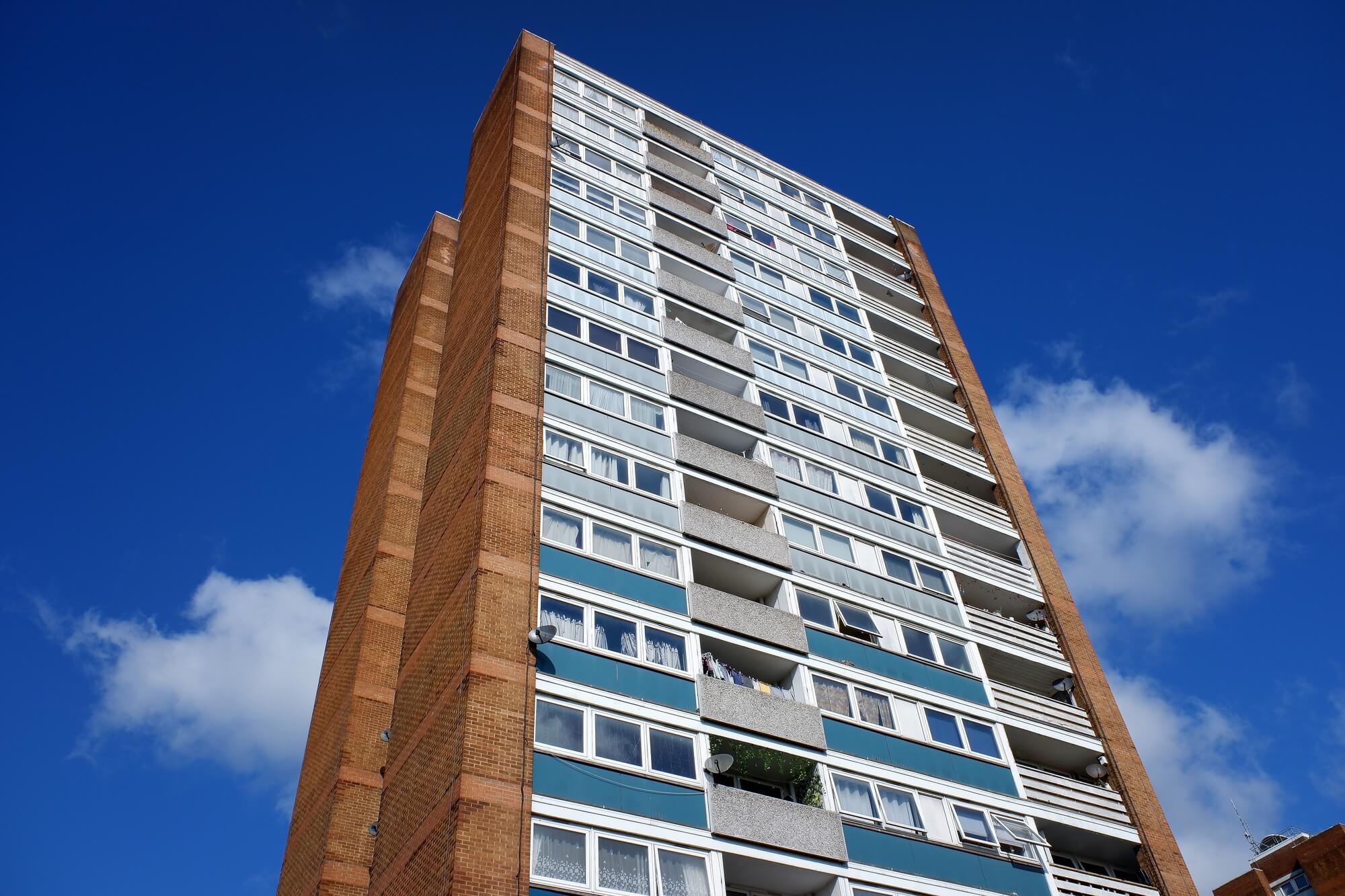
For the occupied building regime, a higher-risk residential building is generally a building in England that is at least 18 metres high or has at least 7 storeys, and contains at least 2 residential units.
These buildings must be registered with the Building Safety Regulator before they are occupied. If you manage a high-rise residential block, mixed-use building with residential units, student accommodation or similar residential building, you should confirm whether the building is in scope.
| Building feature | Why it matters |
|---|---|
| At least 18 metres high or at least 7 storeys | This is a key height/storey threshold for the occupied higher-risk building regime. |
| At least 2 residential units | The occupied building regime is focused on residential buildings where people live. |
| Multiple accountable parties | Responsibilities may need to be clearly separated between Accountable Persons and the Principal Accountable Person. |
| Complex fire safety arrangements | Fire strategy, compartmentation, external walls, fire doors, alarms, smoke control and evacuation arrangements may all need clear evidence. |
If you are unsure whether a building is in scope, use the official GOV.UK guidance on registering a high-rise residential building and consider taking specialist legal or building safety advice.
Who Is The Accountable Person?
An Accountable Person is usually an organisation or individual that owns or has a legal obligation to repair common parts of a higher-risk residential building. Common parts can include the structure, exterior, corridors, lobbies and staircases.
Examples may include a freeholder, landlord, management company, right to manage company, resident management company, commonhold association, local authority or housing provider.
The Accountable Person role matters because the AP is responsible for assessing and managing building safety risks for the parts of the building they are responsible for. Building safety risks include the spread of fire and structural failure.
Who Is The Principal Accountable Person?
Every occupied higher-risk residential building must have one Principal Accountable Person. Where there is only one Accountable Person, that person or organisation is normally the Principal Accountable Person.
Where there are multiple Accountable Persons, the Principal Accountable Person is usually the person or organisation responsible for the structure and exterior of the building.
The Principal Accountable Person has additional coordination duties. In practical terms, this can include making sure building safety risks are properly managed across the whole building, operating reporting and complaints systems, preparing and updating the safety case report and making sure key information is available.
Need Fire Safety Evidence For A Higher-Risk Building?
Fire Risk Assessment Network can help landlords, managing agents, housing associations and Accountable Persons arrange fire risk assessments, fire door inspections, external wall appraisal support, compartmentation reviews and other fire safety evidence for residential buildings.
What Fire Safety Duties Do Accountable Persons Have?
Accountable Persons and Principal Accountable Persons must assess and manage building safety risks. The fire safety side of this duty is not limited to having a single fire risk assessment saved in a folder. The evidence should show that risks are understood, control measures are maintained and recommended actions are being tracked.
For fire safety, this may involve reviewing:
- the current fire risk assessment and whether it is suitable for the building;
- the building’s fire strategy and whether the occupied building still reflects it;
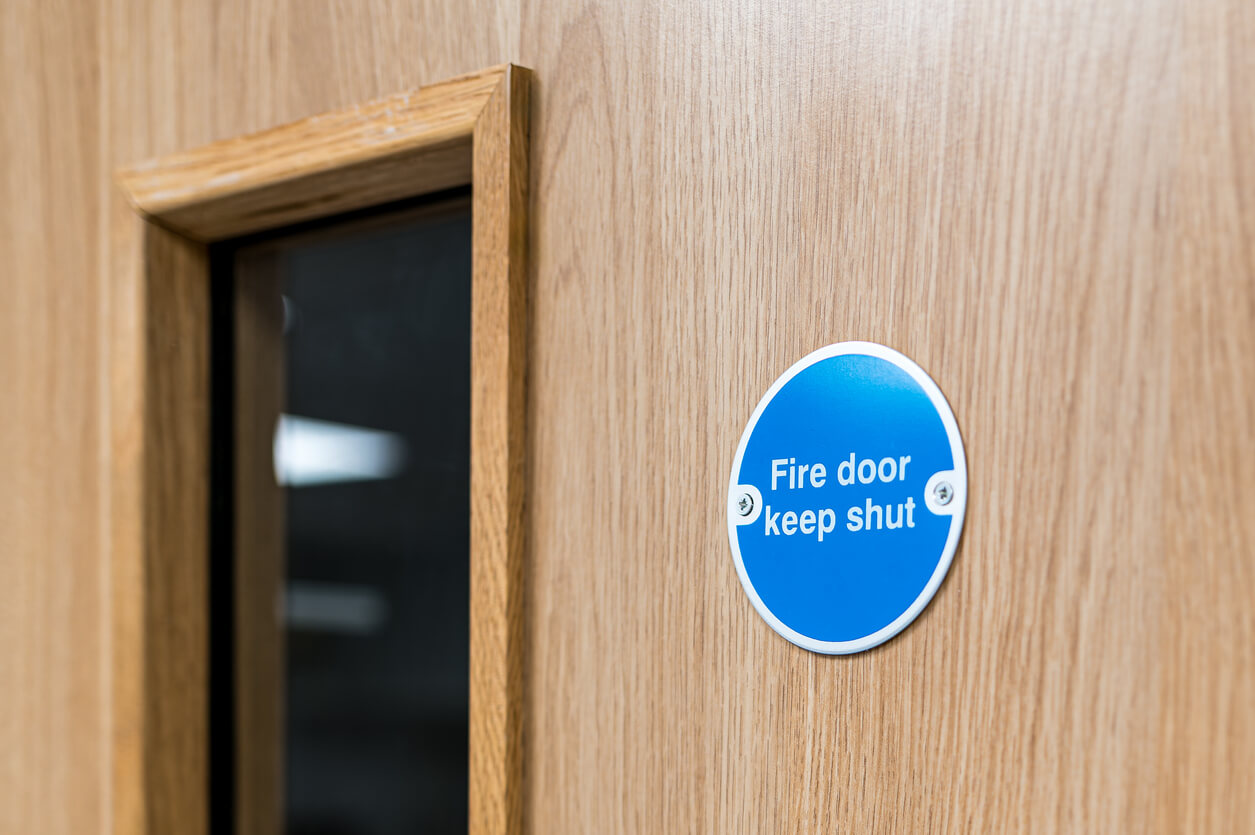
- fire door condition, flat entrance doors and communal fire doors;
- external wall construction, cladding, balconies and attachments;
- compartmentation and fire stopping in common areas and service risers;
- smoke control, automatic opening vents and stair/lobby protection;
- fire alarm, detection and warning arrangements;
- emergency lighting and signage;
- evacuation strategy, stay put strategy, simultaneous evacuation or temporary measures;
- resident engagement and resident fire safety information;
- maintenance, inspection, testing and remedial action records.
For related guidance, see our articles on types of fire risk assessment for flats, fire risk assessments and safety case reports, FRAEWs and fire door inspections.
What Is Golden Thread Information?
The golden thread is the digital record of information about a higher-risk building. It should help those responsible for the building understand how it was designed, built, changed, maintained and managed.
GOV.UK guidance says golden thread information should be kept digitally, secure from unauthorised access, available when needed, presented in a usable way and treated as a single source of truth for the building.
For fire safety, golden thread information may include the documents and records that show how fire risks are identified, controlled, inspected, maintained and reviewed over time.
Fire Safety Documents That May Form Part Of The Golden Thread
The exact information needed will depend on the building. A modern high-rise block with smoke control, complex external wall construction and multiple accountable parties will need a different evidence set from a simpler residential block.
| Fire safety evidence | Why it may be important |
|---|---|
| Fire risk assessment | Shows how fire hazards, people at risk, existing controls and required actions have been assessed. |
| Fire strategy | Explains the intended fire safety design and approach to escape, compartmentation, detection, smoke control and firefighting access. |
| FRAEW / PAS 9980 appraisal | May be relevant where external wall construction, cladding, balconies or attachments need specialist appraisal. |
| Fire door inspection reports | Provide evidence on flat entrance doors, communal doors, defects, priorities and remedial action. |
| Compartmentation reports | Help show whether fire resisting construction, service penetrations, risers and hidden voids are adequately protected. |
| Emergency plan and evacuation strategy | Shows how occupants are expected to respond and how the building is managed during an emergency. |
| Inspection and maintenance records | Show that fire safety systems and physical controls are checked, maintained and repaired. |
| Action tracking records | Show that significant findings are not simply recorded, but managed through to completion. |
For more detail on external wall evidence, see our guides to Fire Risk Appraisal of External Walls, PAS 9980 external wall appraisals and when a FRAEW is required.
What Is A Safety Case Report?
A safety case report is a structured summary that explains how building safety risks are being assessed and managed. It is supported by the wider safety case and golden thread evidence.
The report should not simply say that the building is safe. It should explain the building, the risks, the assessments carried out, the control measures in place, the management systems used and how actions are tracked.
GOV.UK guidance on preparing a safety case report says the report should include information about building safety risk assessments, findings and recommendations, safety management systems, maintenance and inspection work, emergency planning, roles and responsibilities, resident engagement and ongoing improvement.
Fire safety evidence is therefore a major part of the picture. A weak or outdated fire risk assessment, missing fire door records, unclear external wall information or poor action tracking can make it harder to demonstrate that fire safety risks are being managed.
Building Safety Act vs Fire Safety Order
The Building Safety Act does not remove duties under the Regulatory Reform (Fire Safety) Order 2005. For many residential buildings, both regimes may be relevant.
| Area | Fire Safety Order | Building Safety Act regime |
|---|---|---|
| Main focus | General fire precautions and fire risk assessment duties for relevant premises. | Management of building safety risks in higher-risk residential buildings. |
| Key role | Responsible Person. | Accountable Person and Principal Accountable Person. |
| Fire safety relevance | Requires suitable and sufficient fire risk assessment and appropriate fire safety measures. | Requires fire and structural safety risks to be assessed, managed and evidenced. |
| Records | Significant findings, fire safety arrangements, maintenance and training records. | Golden thread information, safety case report, resident engagement and building safety evidence. |
In some buildings, the Accountable Person or Principal Accountable Person may also be the Responsible Person under fire safety law. Where the roles are held by different parties, information should be shared so fire safety and building safety duties are joined up.
Common Gaps In Building Safety Fire Evidence
Many managing agents and landlords already hold a large number of documents, but the problem is often quality, age, consistency or action tracking. Evidence is only useful if it reflects the current building and shows that risks are being managed.
Common gaps include:
- fire risk assessments that have not been reviewed after building work or changes in occupancy;
- action plans with overdue or unclear remedial actions;
- fire door reports that do not clearly identify flat entrance doors, communal doors and priorities;
- missing records for compartmentation, risers, service penetrations or fire stopping;
- unclear external wall information or no FRAEW/PAS 9980 appraisal where one may be needed;
- fire strategies that do not match the building as occupied;
- maintenance records that are spread across different contractors and systems;
- resident information that does not reflect the current evacuation strategy;
- emergency plans that do not cover foreseeable failures or temporary measures.
When Should Fire Safety Evidence Be Reviewed?
Fire safety evidence should be reviewed whenever it may no longer reflect the building or the risks being managed. This is especially important for higher-risk residential buildings because evidence may support the safety case report and wider golden thread record.
Review triggers may include:
- refurbishment, recladding or material alterations;
- changes to evacuation strategy or temporary simultaneous evacuation arrangements;
- fire door replacement programmes;
- new findings from FRAEW, compartmentation or fire stopping inspections;
- changes in building management, ownership or accountable parties;
- fire incidents, near misses or resident complaints;
- changes to resident profile or vulnerable occupant arrangements;
- enforcement correspondence or Building Safety Regulator requests.
Arrange Fire Safety Support For A Higher-Risk Building
If you manage a residential block or higher-risk building, Fire Risk Assessment Network can help arrange competent fire safety support, including fire risk assessments, fire door inspections, FRAEW support, compartmentation reviews and emergency plan reviews.
How Fire Risk Assessment Network Can Help
Fire Risk Assessment Network can help you arrange practical fire safety support for residential buildings, blocks of flats, high-rise buildings, mixed-use buildings and higher-risk buildings.
Depending on the premises and risk profile, support may include:
- Type 1, Type 2, Type 3 or Type 4 fire risk assessments for flats;
- fire door inspections and fire door defect reports;
- FRAEW support and PAS 9980 external wall appraisal guidance;
- compartmentation and fire stopping reviews;
- fire strategy review support;
- fire safety management and emergency plan reviews;
- support organising evidence for safety case report preparation;
- clear action plans for landlords, managing agents, housing providers and Accountable Persons.
We do not provide legal advice and do not guarantee Building Safety Regulator approval. The role of a competent fire safety professional is to help assess fire safety risk, identify gaps, provide evidence and support responsible persons and accountable parties in managing fire safety properly.
Questions To Ask Before Commissioning Fire Safety Evidence
Before instructing new assessments or reviews, it is worth checking what information already exists and whether it is current. This avoids unnecessary duplication and helps identify the most important gaps.
| Question | Why it matters |
|---|---|
| When was the fire risk assessment last reviewed? | An outdated assessment may not reflect current risks, changes or completed works. |
| Are fire door defects clearly recorded and prioritised? | Flat entrance doors and communal doors are important controls in residential blocks. |
| Is the external wall information clear? | Where external wall risk is relevant, a FRAEW or PAS 9980 appraisal may be needed. |
| Is compartmentation evidence available? | Hidden fire stopping defects can undermine the fire strategy and evacuation approach. |
| Are remedial actions being tracked? | Evidence should show what has been completed, what remains open and how interim risks are controlled. |
| Does the emergency plan match the building? | Evacuation arrangements should reflect the building, residents, fire strategy and management arrangements. |
Conclusion
The Building Safety Act has made building safety evidence more important for higher-risk residential buildings. Accountable Persons and Principal Accountable Persons need to understand the building, assess fire and structural safety risks, maintain golden thread information and support the safety case report with clear evidence.
For fire safety, this means keeping fire risk assessments, fire door records, external wall information, compartmentation evidence, emergency plans and action tracking up to date. A strong evidence base helps show that risks are being understood and managed, not simply filed away.
If you need help reviewing fire safety evidence for a residential block or higher-risk building, Fire Risk Assessment Network can help arrange suitable fire safety support.
Get Help Reviewing Fire Safety Evidence
Need a fire risk assessment, fire door inspection, FRAEW support, compartmentation review or emergency plan review for a residential building?
Frequently Asked Questions
What is the Building Safety Act?
The Building Safety Act 2022 introduced a stricter building safety regime, including duties for higher-risk residential buildings in England. It created the Building Safety Regulator and placed duties on Accountable Persons and Principal Accountable Persons to manage building safety risks.
What is a higher-risk building?
For the occupied building regime, a higher-risk residential building is generally at least 18 metres high or at least 7 storeys, and contains at least 2 residential units.
Who is the Accountable Person?
An Accountable Person is usually an individual or organisation that owns or has a legal obligation to repair common parts of a higher-risk residential building, such as the structure, exterior, corridors, lobbies or staircases.
Who is the Principal Accountable Person?
The Principal Accountable Person is the lead accountable party for the building. Where there is only one Accountable Person, they are usually the Principal Accountable Person. Where there are several Accountable Persons, the Principal Accountable Person is usually responsible for the structure and exterior.
What is golden thread information?
Golden thread information is the digital record of information about a higher-risk building. It should help those responsible for the building understand, manage and evidence building safety risks.
What is a safety case report?
A safety case report is a structured summary explaining how building safety risks are assessed and managed. It should be supported by the wider safety case and golden thread evidence.
Does the Building Safety Act replace the Fire Safety Order?
No. The Building Safety Act does not replace the Regulatory Reform (Fire Safety) Order 2005. For many residential buildings, fire safety duties under the Fire Safety Order continue to apply alongside wider building safety duties.
Can a fire risk assessment support a safety case report?
Yes. A suitable and sufficient fire risk assessment can form part of the fire safety evidence that supports a safety case report, alongside other records such as fire door inspections, compartmentation reports, emergency plans and maintenance records.
Do higher-risk buildings need fire door inspections?
Fire doors are important fire safety measures in residential blocks. Depending on the building, fire door inspection evidence may be needed to show that flat entrance doors and communal fire doors are suitable, maintained and defects are being managed.
Can Fire Risk Assessment Network help with Building Safety Act fire safety evidence?
Fire Risk Assessment Network can help arrange fire risk assessments, fire door inspections, FRAEW support, compartmentation reviews, emergency plan reviews and other fire safety evidence for residential buildings. Legal advice or formal Building Safety Regulator approval should be obtained from appropriate specialists where needed.
Last updated