BS 9792:2025 is the current British Standard that provides guidance for carrying out and recording fire risk assessments in housing. It replaces the withdrawn PAS 79-2:2020 and reflects updated expectations for residential fire safety following changes to legislation, enforcement practice, and risk understanding.
If you are responsible for residential premises such as blocks of flats or HMOs, BS 9792:2025 now sets the framework for how housing fire risk assessments should be approached, structured, and documented.
Contents
- 1 What Is BS 9792:2025?
- 2 Why BS 9792 Replaced PAS 79-2
- 3 Which Buildings Does BS 9792 Apply To?
- 4 How BS 9792 Fire Risk Assessments Work
- 5 Recording and Reporting Under BS 9792
- 6 BS 9792 and Legal Responsibilities
- 7 BS 9792 vs PAS 79-1 – Understanding the Difference
- 8
- 9 When a BS 9792 Fire Risk Assessment Is Especially Important
- 10 Our Experience With BS 9792 Fire Risk Assessments
- 11 BS 9792 Fire Risk Assessments – What to Do Next
- 12 Frequently Asked Questions About BS 9792
What Is BS 9792:2025?
BS 9792:2025 – Fire Risk Assessment: Housing is a British Standard code of practice that provides a structured methodology for assessing fire risk in residential buildings.
It is designed to help Responsible Persons and duty holders ensure that housing fire risk assessments are:
- suitable and sufficient
- risk-based
- clearly documented
- defensible if reviewed or challenged
BS 9792 applies specifically to housing, recognising that residential buildings present different risk profiles to workplaces and other non-domestic premises.
Why BS 9792 Replaced PAS 79-2
PAS 79-2:2020 previously provided guidance for housing fire risk assessments, but it has since been withdrawn and superseded by BS 9792:2025.
The introduction of BS 9792 reflects:
- clearer expectations around residential fire safety
- lessons learned from high-profile incidents and enforcement activity
- the need for a dedicated housing-specific standard
- alignment with the Fire Safety Act and evolving regulatory context
BS 9792 provides a more focused and consistent framework for assessing risk in residential premises than PAS 79-2.
Which Buildings Does BS 9792 Apply To?
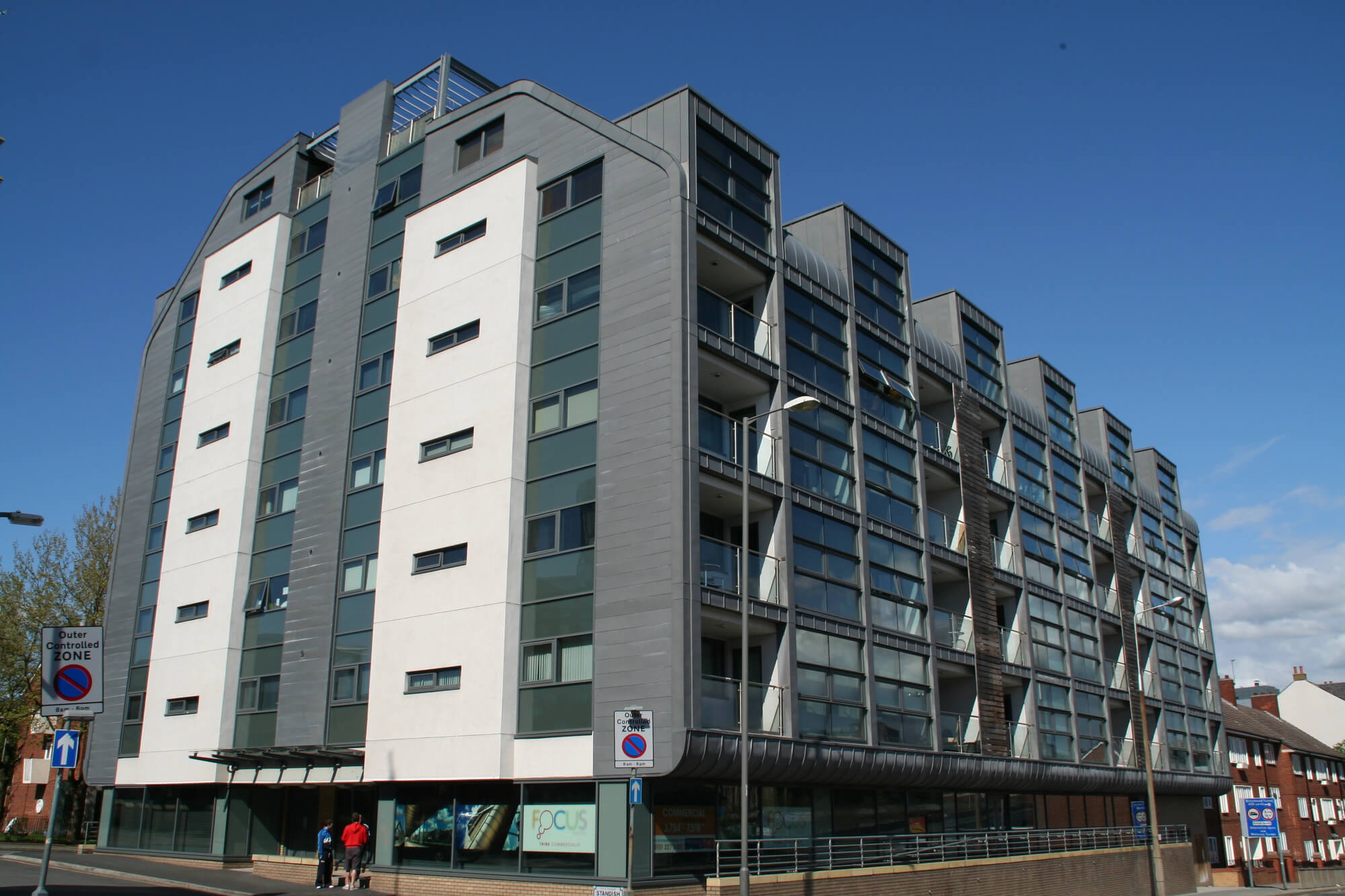
BS 9792:2025 applies to a wide range of residential premises, including:
- Blocks of flats
- Purpose-built residential buildings
- Houses in Multiple Occupation (HMOs)
- Mixed-use buildings with residential accommodation
Where a building contains both residential and non-residential areas, BS 9792 should be used for the housing elements, alongside PAS 79-1:2020 (or other appropriate guidance) for non-housing areas.
How BS 9792 Fire Risk Assessments Work
BS 9792 sets out a structured, qualitative approach to fire risk assessment in housing. While the detail of each assessment depends on the building and its use, the methodology typically includes:
- Understanding the building layout, construction, and occupancy
- Identifying fire hazards and ignition sources
- Considering people at risk, including vulnerable residents
- Reviewing existing fire precautions and management arrangements
- Assessing the likelihood and potential consequences of fire
- Determining overall fire risk
- Producing a clear, prioritised action plan
- Setting review periods appropriate to the level of risk
The emphasis is on professional judgement, supported by clear reasoning and evidence, rather than a checklist approach.
Recording and Reporting Under BS 9792
A key part of BS 9792 is how the findings of a housing fire risk assessment are recorded.
A BS 9792-aligned report should:
- clearly identify significant findings
- explain how risk levels have been determined
- set out practical, prioritised actions
- support ongoing review and management of fire safety
This structured reporting is particularly important where assessments may be reviewed by enforcing authorities, managing agents, insurers, or other stakeholders.
BS 9792 and Legal Responsibilities
BS 9792 is not law, but it is a recognised British Standard that supports compliance with UK fire safety legislation, including the Regulatory Reform (Fire Safety) Order and the Fire Safety Act 2021.
Using a BS 9792-compliant approach helps demonstrate that:
- the fire risk assessment has been carried out using current guidance
- residential risks have been properly considered
- decisions and priorities are documented and justifiable
Ultimately, responsibility for ensuring a suitable and sufficient fire risk assessment remains with the Responsible Person or duty holder.
BS 9792 vs PAS 79-1 – Understanding the Difference
It is important not to confuse the two current standards:
| Standard | Applies To |
|---|---|
| PAS 79-1:2020 | Premises other than housing (e.g., offices, retail, schools, healthcare, industrial and commercial premises) |
| BS 9792:2025 | Housing (e.g., blocks of flats, HMOs and other residential buildings) |
Choosing the correct standard is essential to ensuring that the assessment reflects the actual risks and expectations for the type of premises involved.
When a BS 9792 Fire Risk Assessment Is Especially Important
A BS 9792-compliant fire risk assessment is particularly important where:
- You manage multiple residential buildings
- The building has complex layouts or shared escape routes
- There are vulnerable occupants
- The assessment may be subject to external scrutiny
- Existing assessments were completed under withdrawn guidance
- Fire risk assessments are being reviewed or reprioritised
In these situations, a housing-specific methodology provides greater clarity and confidence.
Our Experience With BS 9792 Fire Risk Assessments
At Fire Risk Assessment Network, we support Responsible Persons, managing agents, and landlords with housing fire risk assessments aligned to BS 9792:2025.
In practice, we often see residential assessments that:
- still rely on withdrawn PAS 79-2 formats
- apply non-housing methodologies to housing buildings
- lack clear justification for risk ratings or priorities
Our approach focuses on applying BS 9792 as a structured framework, producing assessments that are practical, proportionate, and defensible, while supporting long-term fire safety management across residential portfolios.
BS 9792 Fire Risk Assessments – What to Do Next
BS 9792:2025 now provides the current framework for housing fire risk assessments in the UK. Where residential premises are concerned, using the correct standard helps ensure that risks are properly assessed, recorded, and managed in line with current expectations.
If you are responsible for housing premises and need a BS 9792-aligned fire risk assessment, or advice on reviewing or updating existing assessments, professional guidance can help ensure the right approach is taken.
Frequently Asked Questions About BS 9792
Is BS 9792 a legal requirement?
No. BS 9792 is not a legal requirement, but it is the current British Standard providing guidance for housing fire risk assessments in the UK.
Does BS 9792 replace PAS 79-2?
Yes. BS 9792:2025 has replaced PAS 79-2:2020 as the housing-specific fire risk assessment standard.
Do non-housing buildings use BS 9792?
No. Non-housing premises should continue to be assessed using PAS 79-1:2020 or other appropriate guidance.
Who is responsible for ensuring BS 9792 is used?
The Responsible Person or duty holder is responsible for ensuring that the correct current standard is applied for the premises.