Passive fire protection surveys help identify whether the built-in fire safety measures in a building are present, suitable and maintained. These measures are often hidden in walls, floors, ceilings, risers, service penetrations, doors, cavities and structural protection, but they are critical to slowing fire and smoke spread.
For landlords, managing agents, building owners, employers and responsible persons, passive fire protection is a major part of fire safety compliance. A fire risk assessment may identify concerns, but a dedicated passive fire protection survey can provide more detailed evidence of defects, missing protection and remedial priorities.
Quick Answer: What Is A Passive Fire Protection Survey?
A passive fire protection survey is an inspection of built-in fire safety measures designed to resist or slow the spread of fire and smoke. It may cover fire stopping, compartmentation, fire doors, cavity barriers, fire-resisting walls and floors, service penetrations, risers, ducts, dampers and structural fire protection.
The survey normally produces a report with photographs, defect locations, risk ratings and recommended remedial actions. It can support fire risk assessments, building safety evidence, landlord duties, managing agent records and contractor repair programmes.
What Is Passive Fire Protection?
Passive fire protection, often shortened to PFP, is the built-in fire protection within a building. Unlike active systems such as alarms or sprinklers, passive fire protection does not need to activate to perform its function. It is designed into the building fabric and should remain effective when maintained properly.
Examples include:
- fire-resisting walls, floors and ceilings;
- fire doors and frames;
- fire stopping around service penetrations;
- cavity barriers;
- fire dampers and ductwork protection;
- protected shafts and risers;
- structural steel fire protection;
- compartment lines and protected escape routes.
For a simple explainer, see what is passive fire protection?
Why Passive Fire Protection Surveys Matter
Passive fire protection often fails because of building work, poor installation, missing records, historic alterations, cable runs, plumbing works, damaged doors, unsealed risers or unrecorded penetrations. These defects can allow fire and smoke to spread faster than the building design intended.
A passive fire protection survey can help responsible persons understand whether the building fabric still supports the fire strategy and evacuation approach. This is especially important in blocks of flats, HMOs, care homes, hotels, hospitals, student accommodation, schools, warehouses, offices and mixed-use buildings.
What Does A Passive Fire Protection Survey Cover?
The exact scope depends on the building and the instruction. A broad passive fire protection survey may combine elements of compartmentation, fire stopping and fire door inspection, or it may focus only on selected areas.
| Survey area | Typical checks |
|---|---|
| Compartmentation | Fire-resisting walls, floors, ceilings, protected routes, risers, shafts and compartment lines. |
| Fire stopping | Service penetrations, cable trays, pipework, ducts, risers, voids and reinstatement after works. |
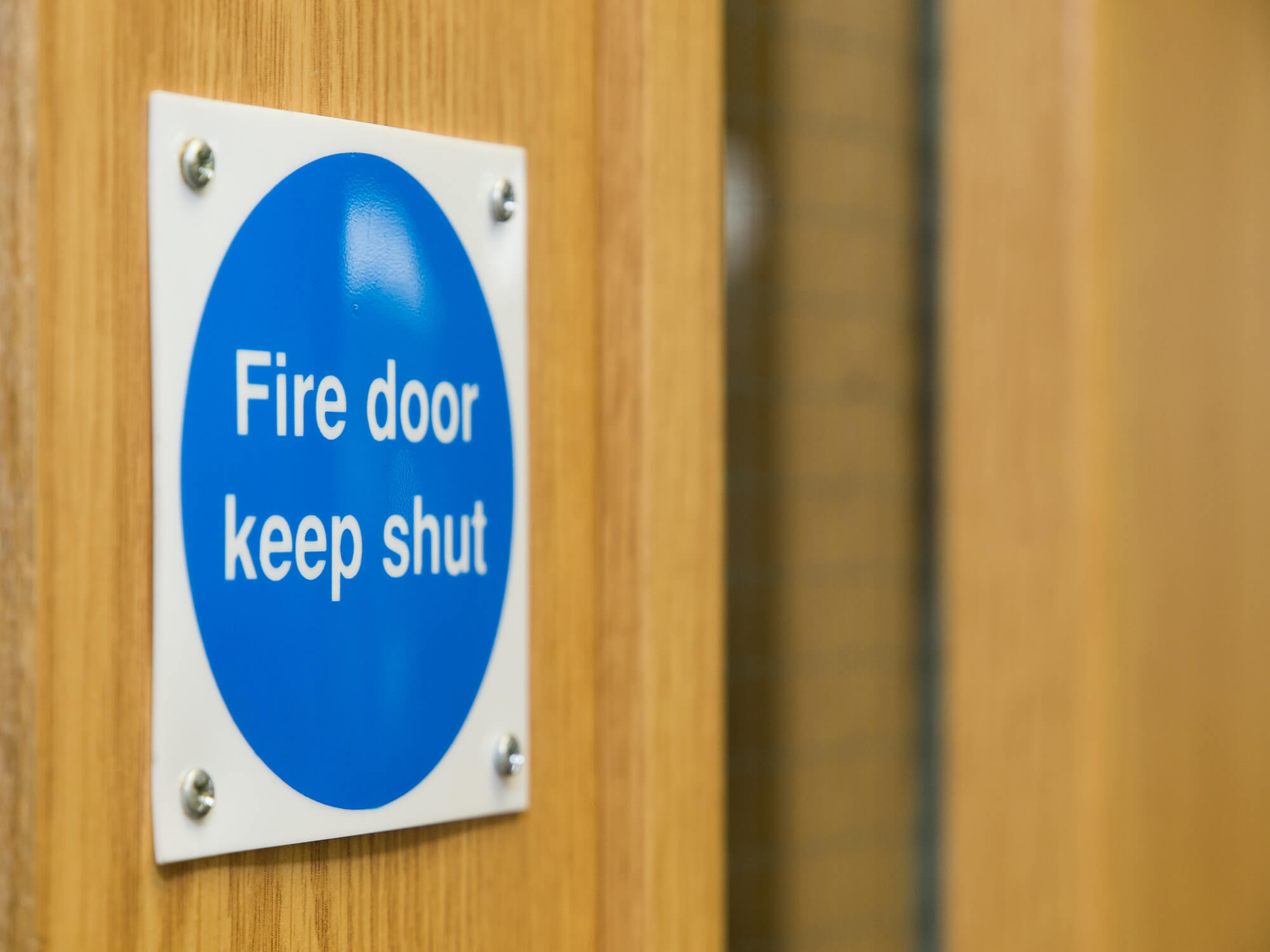
| Fire doors | Door leaves, frames, closers, seals, gaps, glazing, signage, hinges and damage. |
| Cavity barriers | Accessible cavities, roof voids, external wall interfaces and concealed spread routes. |
| Records | Drawings, fire strategy, previous surveys, contractor certificates and remedial action evidence. |
Need A Passive Fire Protection Survey?
Fire Risk Assessment Network can help arrange passive fire protection surveys, fire stopping inspections, compartmentation surveys and fire door inspections for commercial, residential and mixed-use buildings.
Passive Fire Protection Survey vs Fire Stopping Survey
A passive fire protection survey is broader. It may look at the overall passive fire strategy across walls, floors, doors, risers, shafts and structural protection. A fire stopping survey is more focused on the materials and systems used to seal gaps and penetrations where services pass through fire-resisting construction.
If the issue is mainly unsealed cable penetrations, pipework, risers or contractor works, a fire stopping survey may be the right starting point. If the concern is whether the building’s compartments and escape routes remain intact, a fire compartmentation survey may be more appropriate.
Passive Fire Protection And Fire Risk Assessments
A fire risk assessment should consider relevant passive fire protection features, but it may not include intrusive or detailed inspection of concealed areas unless specifically instructed. Where concerns are found, the assessor may recommend a more detailed passive fire protection, fire stopping or compartmentation survey.
Common fire risk assessment findings include:
- damaged or poorly fitting fire doors;
- unsealed service penetrations;
- open risers or service cupboards;
- missing fire stopping records;
- suspected breaches above ceilings;
- poorly maintained protected escape routes;
- unclear fire strategy drawings;
- historic alterations with no fire safety evidence.
Buildings That Often Need Passive Fire Protection Surveys
Passive fire protection surveys are most useful where the building is complex, has sleeping occupants, has been altered over time or relies heavily on compartmentation and protected routes.
| Building type | Why a survey may be useful |
|---|---|
| Blocks of flats and HRBs | Compartmentation, flat entrance doors, risers, service penetrations and building safety evidence are critical. |
| HMOs and sleeping accommodation | Protected routes, fire doors and separation between risk rooms can affect life safety. |
| Care homes and healthcare | Progressive evacuation and vulnerable occupants rely on effective fire resisting construction. |
| Hotels and student accommodation | Sleeping risk, unfamiliar occupants and multiple rooms increase the importance of compartmentation. |
| Offices and commercial buildings | Fit-outs and service changes can create unsealed penetrations and hidden breaches. |
| Warehouses and industrial premises | Large compartments, service routes, mezzanines and storage layouts may affect fire spread. |
Common Passive Fire Protection Defects
Common defects include missing or damaged fire stopping, unsuitable materials, unsealed pipe and cable penetrations, damaged fire doors, excessive door gaps, missing seals, open risers, damaged compartment walls, unprotected voids and poor records.
Some defects are visible during normal use, but others are hidden above ceilings, inside risers or behind panels. This is why the survey scope should be clear before work starts.

What Should The Report Include?
A useful passive fire protection survey report should be practical enough for the responsible person to act on. It should not simply say that defects exist; it should help prioritise what needs doing next.
The report may include:
- photographic evidence;
- location references;
- defect descriptions;
- risk ratings or priority levels;
- recommended remedial actions;
- areas not accessed;
- limitations of the survey;
- summary action plan.
Passive Fire Protection And Building Safety Evidence
For higher-risk residential buildings, passive fire protection evidence can support golden thread records and safety case information. Compartmentation, fire doors, risers, fire stopping and external wall interfaces may all be relevant to the building’s fire safety evidence.
See our guide to Building Safety Act fire safety duties for more on Accountable Persons, Principal Accountable Persons, golden thread information and safety case reports.
How Fire Risk Assessment Network Can Help
Fire Risk Assessment Network can help arrange passive fire protection surveys and related fire safety inspections through competent professionals.
Support may include:
- passive fire protection surveys;
- fire compartmentation surveys;
- fire stopping surveys;
- fire door inspections;
- defect schedules and action plans;
- fire risk assessment follow-up support;
- building safety evidence reviews.
Related Guides
- Fire compartmentation surveys
- Fire stopping surveys
- What is fire compartmentation?
- What is fire stopping?
- Fire door inspections
Conclusion
Passive fire protection is one of the most important parts of building fire safety because it helps contain fire and smoke, protect escape routes and support the fire strategy. However, it is also one of the easiest areas to damage during building work, maintenance and alterations.
A passive fire protection survey gives responsible persons clearer evidence of defects, risks and remedial priorities. If you manage a residential, commercial or mixed-use building and are unsure whether passive fire protection is still effective, arranging a survey is a sensible next step.
Frequently Asked Questions
What is a passive fire protection survey?
A passive fire protection survey is an inspection of built-in fire safety measures such as fire stopping, compartmentation, fire doors, cavity barriers, risers, protected routes and structural fire protection.
What is included in a passive fire protection survey?
The scope can include fire stopping, compartmentation, fire doors, service penetrations, cavity barriers, risers, ducts, fire dampers, records and visible defects. The exact scope should be agreed before the survey.
Is passive fire protection a legal requirement?
Fire safety law requires suitable fire precautions and maintenance of fire safety measures. Passive fire protection is often part of those precautions where it supports escape routes, compartmentation, life safety and the fire strategy.
What is the difference between fire stopping and compartmentation?
Compartmentation divides a building into fire-resisting areas. Fire stopping seals gaps and penetrations through fire-resisting walls, floors and ceilings so the compartmentation remains effective.
When is a passive fire protection survey needed?
A survey may be needed after fire risk assessment findings, refurbishment, service penetrations, poor records, suspected breaches, building safety reviews or where the building relies heavily on compartmentation and protected escape routes.
Can a fire risk assessment replace a passive fire protection survey?
No. A fire risk assessment may identify concerns, but a dedicated passive fire protection survey provides more detailed inspection and reporting on built-in protection such as fire stopping, compartmentation and fire doors.
Last updated