Smoke control systems are a critical life-safety provision in UK buildings. They help maintain tenable escape routes, reduce smoke spread during a fire and support safe evacuation and fire-fighting operations. In many buildings, including blocks of flats and high-rise commercial premises, smoke control is a legal requirement under the Building Regulations and related standards.
This guide explains when smoke control systems are required in the UK, what types are commonly used (including AOVs and pressurisation), the standards and legislation that govern them, and the responsibilities of duty holders for installation, maintenance and compliance.
Who Needs to Understand Smoke Control Requirements?
Understanding smoke control is particularly relevant to:
- Property developers and design teams
- Housing associations and block managers
- Facilities managers overseeing commercial premises
- Responsible persons under the Regulatory Reform (Fire Safety) Order
- Accountable persons under the Building Safety Act (for higher-risk buildings)
Early clarity on smoke control obligations can prevent costly redesign, enforcement action and project delays.
What Is a Smoke Control System?
A smoke control system is any arrangement of components designed to move smoke away from escape routes during a fire, keeping them clear for occupants and firefighters. It can work by:
- Natural smoke ventilation – using vents and openings to allow smoke to rise and escape; or
- Mechanical smoke control – using fans and ductwork to actively extract smoke or pressurise safe areas.
Automatic Opening Vents (AOVs) and smoke vents are central to many natural smoke control systems, especially in residential buildings.
Types of Smoke Control Systems
Smoke control systems in the UK, including AOV systems and mechanical smoke ventilation systems, generally fall into the following categories:
Automatic Opening Vents (AOVs)
AOVs are smoke control components that open automatically when triggered by the fire alarm system (typically via smoke or heat detection), creating a ventilation path that clears smoke from stairwells, corridors or atria.
Natural Smoke Ventilation Systems
These systems rely on the natural buoyancy of hot smoke rising to exhaust it through strategic openings such as roof vents, windows or AOV louvres. They are often suitable for buildings up to around 30 m in height.
Mechanical Smoke Ventilation Systems
Used where natural ventilation is impractical (e.g. taller, larger or complex buildings), these systems use fans and controls to extract smoke or pressurise protected spaces. They are essential for many high-rise developments and complex layouts.
Pressurisation Systems
Pressurisation maintains higher air pressure in protected escape routes (like stairwells) so that smoke is kept out. This is often a mechanical approach used in taller or larger buildings.
Smoke Shafts
Smoke shafts are vertical ducts designed to serve multiple floors within a building, typically found in blocks of flats. Corridor vents connect to the shaft, allowing smoke to discharge safely to atmosphere at roof level. Smoke shafts are commonly used where extended corridors exceed the limits for simple natural ventilation and are frequently required under Approved Document B.
Smoke Control Standards and Guidance in the UK
Approved Document B – Building Regulations
Approved Document B sets out the performance requirements for fire safety in buildings, including smoke control to protected escape routes. It guides where and how smoke control measures should be applied in residential and other buildings.
BS EN 12101 Series
BS EN 12101 is a suite of standards (adopted in the UK) that governs the performance, testing and certification of smoke control system components such as vents, fans, dampers and control panels. Compliance with these standards (and UKCA marking) is expected for any life-safety smoke control product.
BS 9991: Residential Fire Safety
BS 9991 provides best-practice guidance for smoke control and evacuation in residential buildings, and recent editions include updated provisions on when natural and mechanical smoke ventilation systems are required based on building height and travel distances.
BS 9999: Fire Safety in Buildings
BS 9999 supplements ADB and BS 9991 for non-residential, complex or bespoke buildings, offering additional guidance on smoke control design, inspection and testing requirements.
BS 7346-8 – Code of Practice
BS 7346-8 outlines the planning, design, installation, commissioning and maintenance of smoke control (including ventilation) systems.
When Are Smoke Control Systems Required in the UK?
Residential Buildings
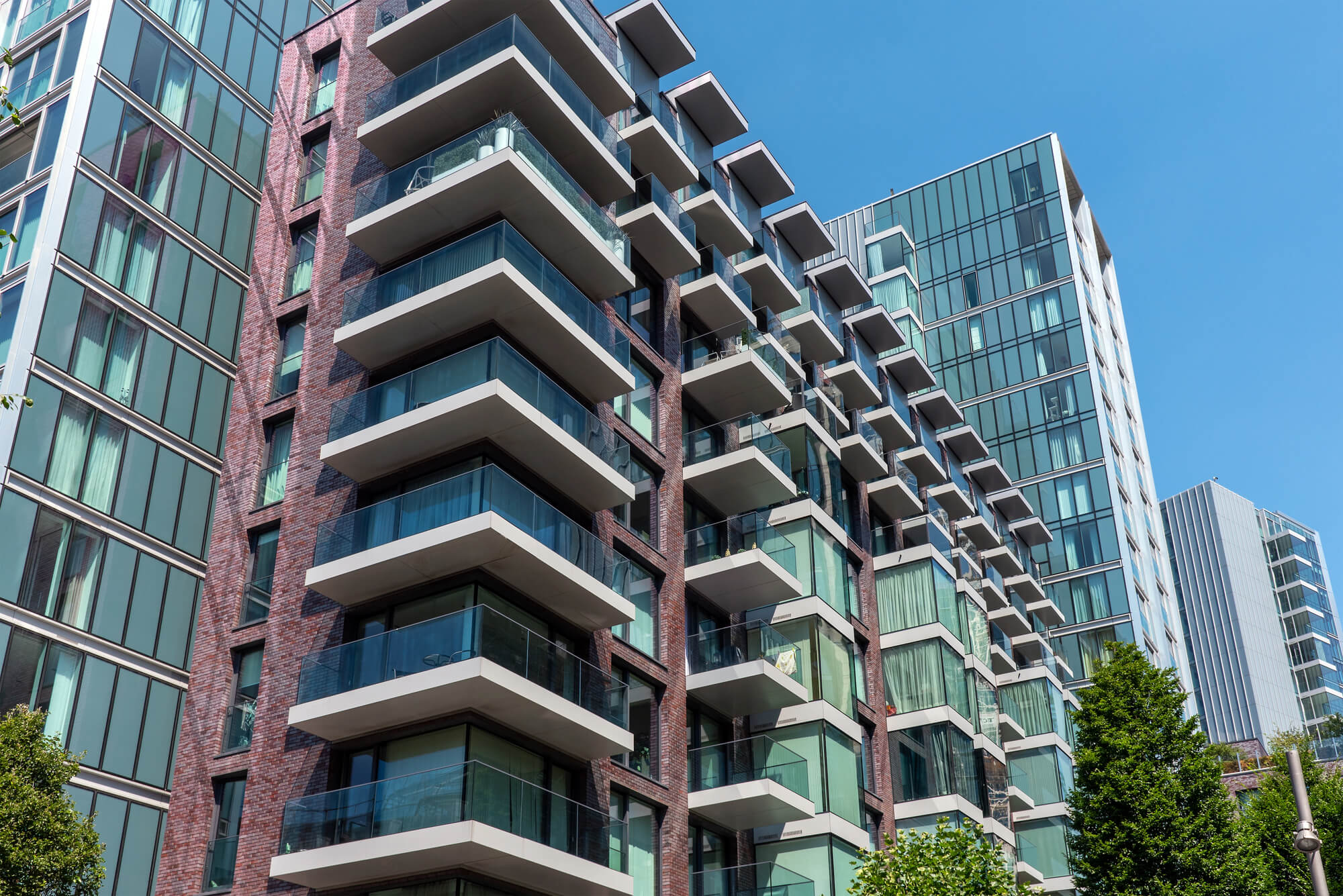
Under Approved Document B, residential buildings over approximately 11 m (typically four storeys) normally require smoke control in common escape routes such as stairwells and corridors. This can be achieved with AOVs or equivalent smoke shafts providing the minimum free area required under Approved Document B (often 1.0m² in residential corridors, subject to design).
Regional guidance (such as BS 9991:2024) also influences how and where smoke control systems should be designed, and can set specific performance criteria for tall residential blocks.
In many purpose-built blocks of flats designed around a stay-put strategy, smoke control systems are essential to maintaining tenable conditions in common corridors while individual flats remain compartmented.
In single-stair residential buildings, smoke control to corridors and stair cores is particularly critical, as the protected stair may be the sole means of escape for occupants above ground level.
High-Rise and Complex Buildings
Buildings above certain height thresholds (e.g. over 30 m) generally need more engineered smoke control solutions, including mechanical smoke ventilation or pressurisation systems, especially when natural smoke ventilation alone cannot achieve the required performance.
Commercial and Other Buildings
Smoke control systems may be required for commercial buildings with enclosed escape routes, atria or longer corridors to ensure smoke does not compromise evacuation. AOVs, mechanical systems or other designs can satisfy regulatory requirements, provided they meet the performance criteria of ADB and relevant British Standards.
Responsibilities Around Smoke Control Systems
Design and Installation
Smoke control systems must be designed by competent professionals, coordinated with fire strategy and fire detection systems, and installed in accordance with Approved Document B and relevant British Standards. Components must be certified and selected based on documented performance criteria.
Commissioning and Certification
Before handover, systems should be commissioned and tested to prove correct operation, with cause-and-effect logic documented (which describes how components operate in response to a fire event). Documented commissioning results provide evidence for compliance.
Commissioning should also verify manual override controls and fire service override functionality, ensuring that firefighters can operate smoke control systems independently during an incident.
Maintenance, Testing and Record Keeping
Regular inspection and testing of AOVs, control panels, actuators, fans and associated equipment is essential to ensure systems are reliable when needed. Maintenance regimes often include daily or weekly tests, quarterly visual inspections and annual specialist servicing by competent engineers, with detailed records retained to demonstrate compliance.
Smoke control systems must be capable of operating in fail-safe mode. Control panels, actuators and power supplies (including battery back-up where provided) should be regularly inspected to ensure the system will operate during a power failure or fault condition.
Failure to maintain smoke control systems may result in enforcement action by the Fire and Rescue Authority, particularly where common escape routes are compromised or maintenance records are absent.
How Smoke Control Systems Tie Into Fire Safety Regulation
Smoke control systems form part of an overall fire strategy and must be integrated with the fire alarm and other life-safety systems. While an FRA under the Fire Safety Order does not automatically mandate smoke control, it often identifies where smoke control is a proportionate life-safety measure — especially in multi-storey residential and high-risk buildings.
How Much Do Smoke Control Systems Cost?
The cost of smoke control solutions varies widely depending on:
- Building height, layout and compartmentation
- Whether natural or mechanical systems are used
- The number and type of AOVs, vents, fans, control panels
- Integration with fire alarm and building management systems
- Maintenance regimes and access requirements
Natural systems are generally lower cost at installation but may require extensive coordination with the building design, whereas mechanical solutions involve higher capital and ongoing maintenance costs. Cost planning should be undertaken early in design and compliance strategies to avoid expensive retrofits.
Inadequate early design consideration can lead to significant retrofit costs, particularly where structural alterations or additional plant space are required.
Common Myths About Smoke Control
Myth: Smoke control is only needed for high-rise buildings.
Reality: While height influences design, smoke control can be required in any building with enclosed escape routes where smoke would otherwise compromise safe egress.
Myth: AOV systems operate independently of fire alarms.
Reality: AOVs and smoke control systems must be integrated with fire detection and alarm systems to operate correctly in a fire scenario.
Summary
Smoke control systems are a vital aspect of fire safety in the UK, particularly where building design and occupancy put occupants at risk from smoke exposure. Requirements arise from the Building Regulations (Approved Document B), supported by British Standards such as BS EN 12101, BS 9991, BS 9999 and BS 7346-8. These systems must be correctly designed, installed, commissioned and maintained by competent professionals to ensure they deliver what they promise when lives are at stake.
Conclusion
Smoke control systems, including Automatic Opening Vents, natural smoke ventilation and mechanical smoke control, are fundamental to ensuring safe escape routes and effective fire safety management in UK buildings. Their correct specification and ongoing compliance are not optional — they are an expectation under current regulatory frameworks and a core part of fire strategy design.
If you are uncertain whether your building requires smoke control systems, or how to achieve compliant design, professional fire safety advice and competent smoke control designers should be consulted to ensure compliance with UK legislation and standards.
Frequently Asked Questions
Are smoke control systems legally required in the UK?
Smoke control systems in the UK are required in many buildings under the Building Regulations, particularly where enclosed escape routes could become smoke-logged during a fire. Residential buildings over 11 metres in England typically require smoke control in common corridors and stairwells. Requirements vary depending on building height, layout and use.
What is an AOV in fire safety?
An Automatic Opening Vent (AOV) is a device that opens automatically during a fire to release smoke from corridors, stairwells or atria. AOVs form part of a smoke control system and are commonly used in residential blocks of flats to maintain clear escape routes.
How often should smoke control systems be tested?
Smoke control systems should be inspected and tested regularly. This typically includes routine visual checks, periodic functional testing and annual servicing by a competent specialist. Mechanical systems may require more frequent inspection depending on complexity.
Who is responsible for maintaining smoke control systems?
The responsible person under the Regulatory Reform (Fire Safety) Order is responsible for ensuring smoke control systems are maintained and remain operational. In higher-risk buildings, the accountable person under the Building Safety Act may also have duties relating to system performance and record-keeping.
What standards apply to smoke control systems in the UK?
Smoke control systems in the UK are designed and installed in accordance with Approved Document B of the Building Regulations, supported by standards such as BS EN 12101, BS 9991, BS 9999 and BS 7346-8.
Do smoke control systems replace sprinklers?
No. Smoke control systems manage smoke movement, whereas sprinkler systems suppress or control fire growth. Both systems serve different purposes and may be required together as part of an overall fire strategy.
Last updated