Block managers often coordinate fire safety for blocks of flats, apartment buildings and residential estates. Their work may include arranging fire risk assessments, tracking remedial actions, organising contractor visits, managing common parts, communicating with residents and keeping fire safety records up to date.
The legal duty depends on control. A block manager, managing agent, landlord, freeholder, residents’ management company or right-to-manage company may have fire safety duties depending on who controls the premises, common parts, maintenance responsibilities and fire safety arrangements.
This guide explains when block managers need fire risk assessments, what areas are normally covered, how fire door duties apply, what records should be kept and when professional fire safety support should be arranged.
Quick Answer
Blocks of flats need suitable fire risk assessments for the common parts and relevant fire safety measures. Block managers should make sure assessments are recorded, reviewed, actioned and supported by evidence such as fire door checks, maintenance records, resident information, contractor reports and clear action tracking.
Do Block Managers Need Fire Risk Assessments?
Yes, where fire safety duties apply to the common parts of a block of flats. The Regulatory Reform (Fire Safety) Order 2005 applies to the common parts of multi-occupied residential buildings, including areas such as entrance halls, corridors, staircases, lobbies, plant rooms, risers, bin stores and shared escape routes.
A block manager may be responsible for arranging or coordinating the fire risk assessment if they have been appointed to manage the building or common parts. However, the exact legal position depends on the management agreement and who has practical control.
Even where the block manager is not the only duty holder, they may still need to cooperate with landlords, freeholders, RMCs, RTM companies, residents, contractors and other responsible persons.
Who Is the Responsible Person for a Block of Flats?
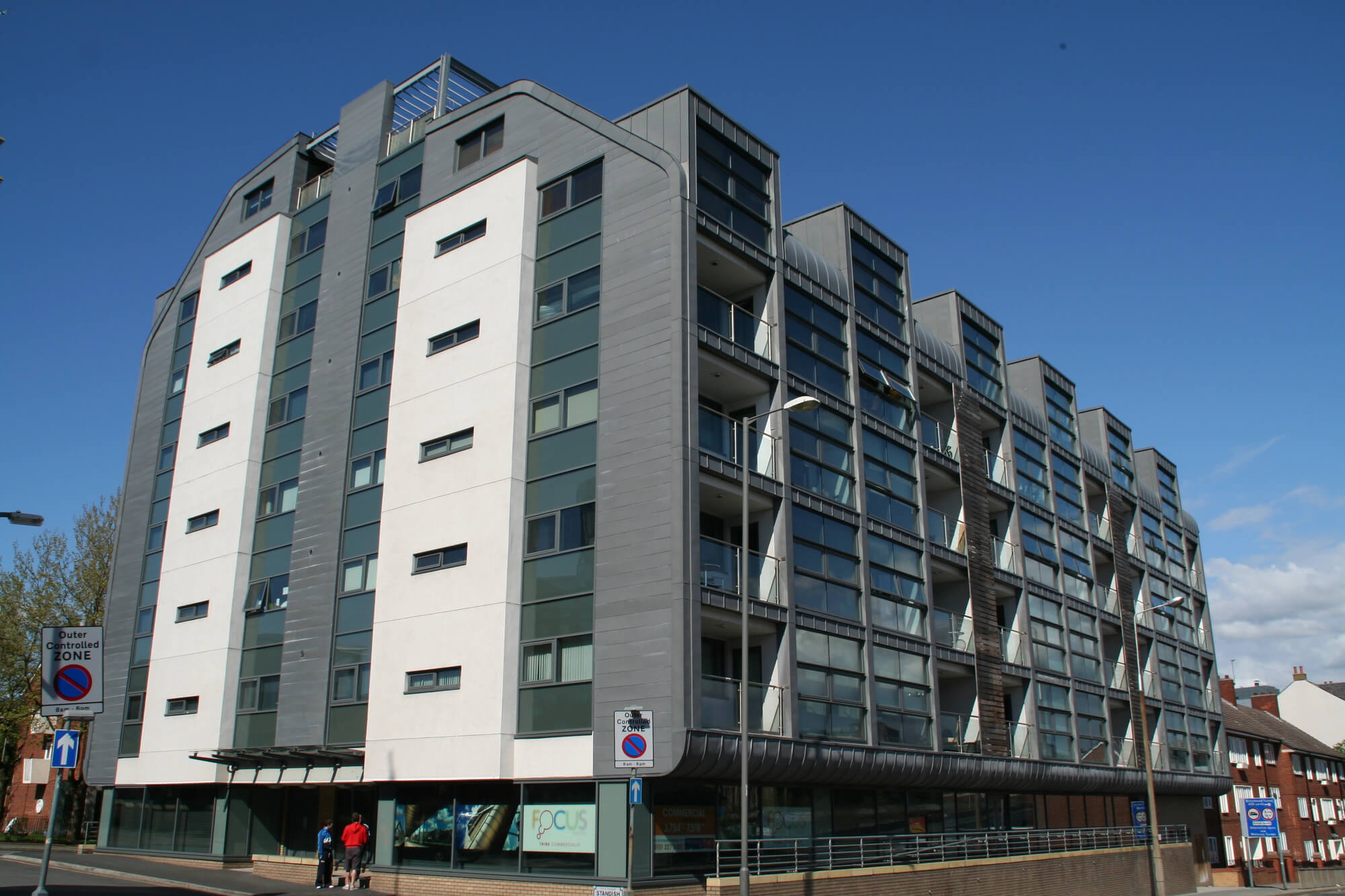
The Responsible Person is normally the person or organisation with control of the premises or common parts. In a block of flats this may be the freeholder, landlord, management company, residents’ management company, right-to-manage company, managing agent or block manager depending on the arrangements.
The key test is control, not job title. If a block manager controls maintenance, common parts, contractor instruction, fire safety records or day-to-day management, they may have duties in relation to those areas.
For wider legal context, see our guide to Responsible Person fire safety duties.
What Areas Should the Fire Risk Assessment Cover?
A fire risk assessment for a block of flats should focus on the common parts and relevant fire safety measures. It should be specific to the building rather than a generic template.
- Communal entrance halls
- Common corridors and lobbies
- Protected staircases
- Escape routes and final exits
- Plant rooms and electrical cupboards
- Service risers and shafts
- Bin stores and refuse areas
- Bike stores, car parks and storage areas
- Communal rooms, laundry rooms or shared facilities
- Fire doors in common parts and flat entrance doors where relevant
- Fire alarm, smoke control, emergency lighting and dry riser systems where present
- Compartmentation, housekeeping and management arrangements
Type 1, Type 2, Type 3 and Type 4 Fire Risk Assessments
Blocks of flats are often assessed using different types of fire risk assessment depending on the scope required. A Type 1 assessment is non-destructive and focuses on common parts. Type 2 includes destructive sampling in common parts. Type 3 includes non-destructive assessment of flats as well as common parts. Type 4 includes destructive sampling in both flats and common parts.
Most routine assessments for blocks are Type 1, but further investigation may be needed where there are concerns about compartmentation, hidden defects, fire doors, external walls or previous alterations.
See our guide to types of fire risk assessment for flats.
Fire Doors and Regulation 10
Fire doors are one of the most common issues for block managers. In England, Regulation 10 of the Fire Safety (England) Regulations 2022 introduced specific fire door duties for certain residential buildings.
For residential buildings over 11 metres in height, responsible persons must use best endeavours to check flat entrance doors at least annually and check fire doors in common parts at least every three months. Residents must also be provided with fire door information.
Block managers should make sure there is a clear process for recording fire door checks, reporting defects, arranging remedial works and keeping evidence. See our guides to Regulation 10 fire door duties, fire door inspections and fire door compliance for blocks of flats.
Resident Information and Evacuation Strategy
Block managers should understand and communicate the building’s evacuation strategy. The strategy may be stay put, simultaneous evacuation, phased evacuation or another approach depending on the building design, fire risk assessment and fire safety measures.
Residents should receive clear fire safety information where required, including information about fire doors, escape routes, reporting defects and what to do in the event of fire.
If the building relies on a stay put strategy, compartmentation, fire doors and common escape routes must be suitable and maintained. See our guides to stay put policy, fire safety in tower blocks and fire evacuation strategies.
Higher-Risk Residential Buildings and Block Managers
Some residential buildings may also fall under the higher-risk building regime. This can create additional duties for Accountable Persons and the Principal Accountable Person under the Building Safety Act.
These duties are separate from the Responsible Person duties under the Fire Safety Order, but they may overlap in practice. Block managers supporting higher-risk buildings should make sure fire risk assessment information, resident engagement, fire door records, external wall information and maintenance evidence are coordinated with the wider building safety arrangements.
Related guidance: Building Safety Act fire safety duties and Section 156 fire safety changes.
External Walls, FRAEW and Cladding
The Fire Safety Act 2021 clarified that the structure and external walls of buildings containing two or more domestic premises fall within the scope of the Fire Safety Order where relevant. This means external wall systems, balconies and flat entrance doors may need to be considered as part of fire risk assessment arrangements.
Where external wall concerns exist, a fire risk assessment may recommend further specialist review, such as a Fire Risk Appraisal of External Walls. See our guide to FRAEW.
Common Fire Safety Problems for Block Managers
Block managers often inherit buildings with historic issues, incomplete records or actions that have not been closed out. Common problems include:
- Outdated fire risk assessments
- Unclear responsibility between freeholder, RMC, RTM company and managing agent
- Fire risk assessment actions left open
- Poor fire door records
- Blocked or poorly managed escape routes
- Storage in common corridors or electrical cupboards
- Missing emergency lighting or alarm maintenance evidence
- Unclear resident fire safety information
- Unreported defects in common parts
- Unknown compartmentation or external wall issues
Block Manager Fire Safety Records
Good record keeping is essential. It helps demonstrate that fire safety is being actively managed rather than simply assessed once and forgotten.
| Record | Why it matters |
|---|---|
| Fire risk assessment | Shows that risks have been assessed and recorded. |
| Action plan and close-out evidence | Shows that significant findings are being managed and completed. |
| Fire door checks | Supports Regulation 10 compliance where applicable. |
| Maintenance certificates | Provides evidence for emergency lighting, alarms, smoke control, dry risers and other systems. |
| Resident information records | Shows that required fire safety information has been provided. |
| Contractor reports | Documents inspections, remedial works and recommendations. |
See also our guide to fire safety logbooks.
How Often Should Block Fire Risk Assessments Be Reviewed?
There is no single fixed review period that applies to every block. The assessment should be reviewed regularly and whenever there is reason to suspect it is no longer valid or there has been a significant change.
Reviews may be needed after refurbishment, changes to occupancy, fire door works, external wall works, enforcement action, fire incidents, near misses, changes to evacuation strategy or where defects are identified.
When Should Block Managers Arrange Professional Support?
Professional fire safety support is sensible where the block is complex, higher-risk, has sleeping accommodation, has unclear fire strategy information, relies on stay put, has known fire door or compartmentation defects, or where action tracking has become difficult to manage.
Block managers should also seek competent advice where there are enforcement concerns, resident complaints, missing records, external wall issues or uncertainty about who is responsible for particular fire safety duties.
How Fire Risk Assessment Network Can Help
Fire Risk Assessment Network can help block managers, landlords, RMCs, RTM companies and managing agents arrange suitable fire risk assessments and related compliance support for blocks of flats and residential common parts.
We can also help where further support is needed for fire door inspections, emergency lighting, fire alarm records, evacuation strategy, compartmentation, FRAEW or action plan follow-up.
Need a Fire Risk Assessment for a Block of Flats?
We can help block managers, landlords, RMCs and managing agents arrange suitable fire risk assessments and compliance support for residential common parts.
Frequently Asked Questions
Do blocks of flats need fire risk assessments?
Yes. The common parts of blocks of flats require a suitable and sufficient fire risk assessment where the Fire Safety Order applies.
Are block managers the Responsible Person?
A block manager may be the Responsible Person where they have control of the premises, common parts or fire safety arrangements. The answer depends on the management agreement and practical control.
What areas are covered in a block fire risk assessment?
The assessment usually covers common parts such as corridors, staircases, lobbies, plant rooms, risers, shared escape routes, bin stores, fire doors and relevant fire safety systems.
Do block managers need fire door inspection records?
Where fire door duties apply, records should be kept to show checks, inspections, defects and remedial actions.
How often should a block fire risk assessment be reviewed?
It should be reviewed regularly and whenever there are changes to the building, occupancy, fire safety measures, evacuation strategy, or where issues are identified.
Do block managers need to provide resident fire safety information?
In relevant residential buildings, responsible persons must provide fire safety information to residents. The exact duties depend on the building type, height and applicable regulations.
What if the block has external wall or cladding concerns?
The fire risk assessment may need to consider external wall risk where relevant, and further specialist review such as FRAEW may be needed if concerns are identified.
Last updated