Fire doors are designed to protect escape routes, slow the spread of fire and smoke, and support compartmentation within a building. However, across UK buildings, a high percentage of fire doors fail compliance checks due to common and preventable defects.
These fire door defects are regularly identified during routine inspections and surveys, often resulting in remedial action notices or enforcement concerns. Understanding what typically goes wrong helps responsible persons, property managers and building owners maintain compliance and reduce risk.
This guide explains the most common fire door defects identified during inspections in UK buildings, why they occur, and what they mean for fire safety.
Quick Answer
Common fire door defects include excessive gaps, damaged or missing seals, faulty self-closers, damaged hinges, poor latching, damaged glazing, missing signage, unauthorised alterations and poor installation. Defects should be recorded and prioritised for action.
Why Fire Door Defects Matter
Under the Regulatory Reform (Fire Safety) Order 2005, fire safety equipment must be properly maintained and kept in efficient working order. A fire door that is damaged, altered or incorrectly installed may no longer provide its intended fire resistance rating (such as FD30 or FD60).
Even small defects can significantly reduce performance. Smoke spread — not flames — is often the primary cause of fatalities in fires, and poorly maintained fire doors allow smoke to travel rapidly through a building.
Many of these issues are formally identified during structured fire door inspections and surveys carried out as part of a building’s wider fire risk assessment process.
1. Excessive or Uneven Gaps Around the Door
Incorrect gaps are one of the most frequent causes of fire door failure.
Common Problems:
- Gaps exceeding recommended tolerances at the head and sides
- Excessive threshold gaps
- Uneven clearance due to poor alignment
- Door leaf dropping over time
In most cases, acceptable gaps are typically around 2–4mm at the head and vertical edges, with a threshold gap generally not exceeding 8mm (depending on the door type and specification).
Why It Matters:
Fire doors rely on controlled gaps to allow intumescent seals to activate properly. Excessive gaps allow smoke and heat to bypass the door before seals expand.
2. Missing, Damaged or Painted-Over Intumescent Seals
Intumescent strips and smoke seals are critical components of a fire door assembly.
Typical Defects:
- Seals missing entirely
- Seals cut short or poorly fitted
- Seals painted over
- Incorrect seal type used
Impact:
Without functioning seals, fire doors cannot effectively contain smoke or maintain integrity during fire conditions.
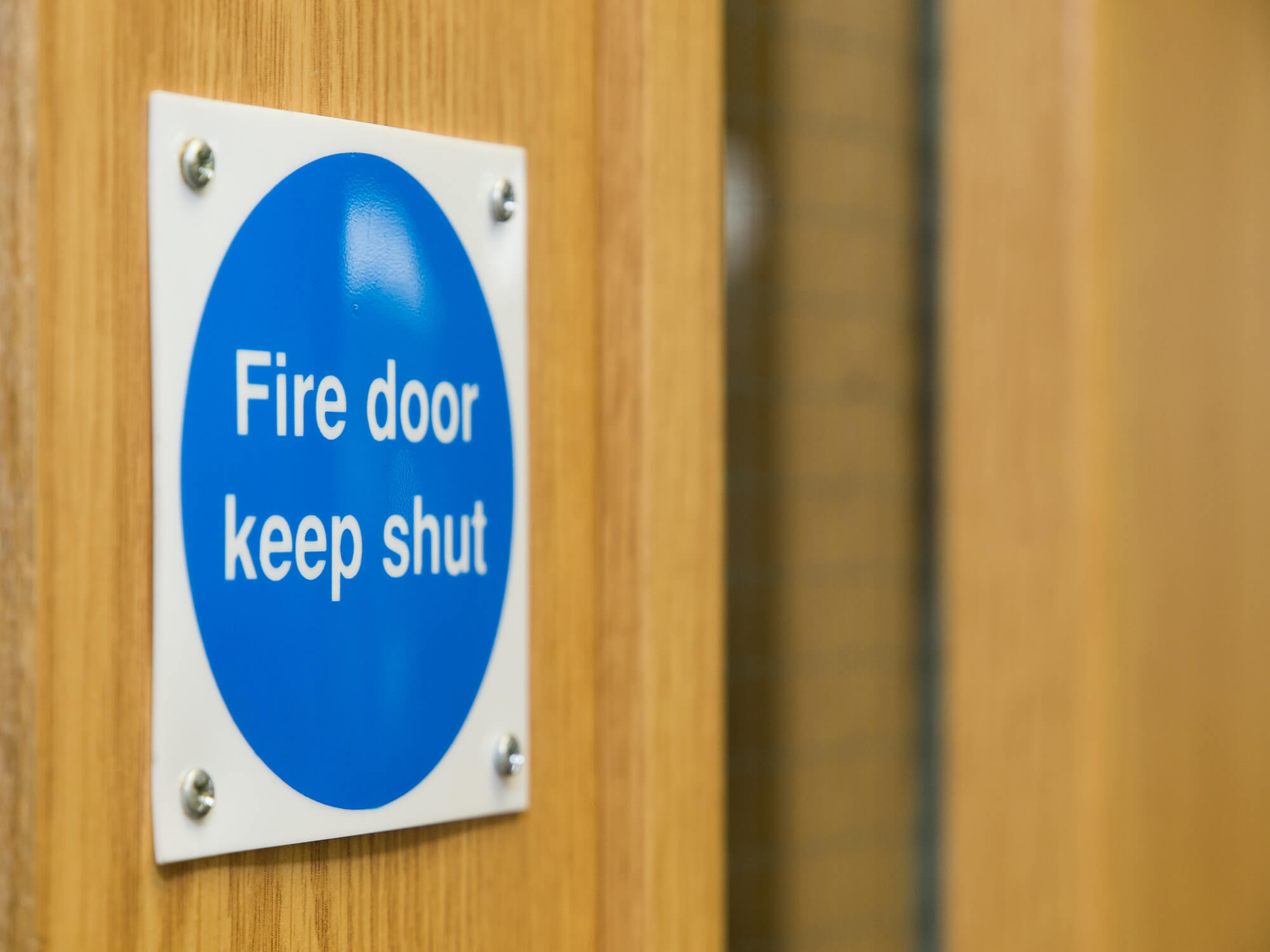
3. Doors That Do Not Self-Close Fully
Fire doors must close reliably without manual intervention.
Frequently Identified Issues:
- Faulty or leaking hydraulic closers
- Closers disconnected or removed
- Doors sticking on flooring
- Latch not engaging fully
Why It Matters:
A fire door wedged open or failing to latch cannot perform its life safety function.
4. Incorrect or Non-Compliant Ironmongery
All hardware must be compatible with the door’s fire rating.
Common Problems:
- Non-fire-rated hinges or handles fitted
- Missing hinge screws
- Incorrect fixings used
- Locks retrofitted without fire rating consideration
Hardware failure during a fire can compromise the entire door assembly.
Fire doors are tested as complete assemblies. Alterations can invalidate performance.
Examples:
- Holes drilled for additional hardware
- Letter plates or cat flaps fitted
- Excessive trimming of door edges
- Damage from impact or misuse
Even seemingly minor modifications can affect fire resistance.
6. Damaged or Incorrect Glazing
Vision panels must use fire-rated glass and correct glazing systems.
Defects Often Found:
- Standard glass used instead of fire-rated glass
- Cracked glazing
- Missing intumescent glazing seals
- Loose or poorly secured beads
Improper glazing significantly reduces fire containment performance.
7. Missing Certification Labels
Many inspections identify doors where certification labels are absent or illegible.
Without clear evidence of rating (e.g., FD30, FD60), it becomes difficult to demonstrate compliance or confirm performance standards.
8. Poor Installation or Frame Issues
Sometimes defects stem from original installation rather than wear and tear.
Issues Include:
- Frames not correctly fixed
- Inadequate fire stopping around frame
- Distorted frames
- Gaps between frame and wall
A fire door is only as effective as its installation.
Common defects such as excessive gaps, damaged seals, missing signage, faulty self-closers, damaged leaves and poor installation should be recorded and prioritised during a fire door inspection.
If you need to budget for a survey, see our fire door inspection cost guide.
Why Are Fire Door Defects So Common?
Fire door failures are widespread for several reasons:
- High-traffic wear in communal areas
- Lack of routine maintenance
- Alterations by contractors unfamiliar with fire door requirements
- Building movement over time
- Poor original installation
- Doors wedged open for convenience
In many cases, defects develop gradually and go unnoticed without structured checking.
What These Defects Mean for Compliance
Common defects can result in:
- Compromised compartmentation
- Increased smoke spread risk
- Enforcement action following inspection
- Insurance concerns
- Legal exposure for the Responsible Person
In higher-risk residential buildings and commercial premises, failure to address fire door defects may also breach duties placed on the Responsible Person under UK fire safety legislation.
Identifying defects early allows corrective action before they become serious compliance issues.
Maintaining Fire Door Integrity
Maintaining fire door integrity requires proactive management rather than reactive repairs. Good practice includes:
- Regular visual checks
- Prompt repair of minor damage
- Ensuring seals and hardware remain intact
- Avoiding unauthorised alterations
- Keeping accurate records of maintenance
Where concerns arise, a structured fire door inspection can formally assess compliance and identify remedial actions required.
Related Fire Door Guidance
Fire door defects should also be considered alongside inspection frequency, certification requirements and installation standards. Understanding how fire doors are specified, installed and maintained provides a more complete approach to compliance.
Conclusion
Fire door defects are common — but most are preventable. Excessive gaps, damaged seals, faulty closers and unauthorised alterations are repeatedly identified across UK buildings.
Understanding these typical failings helps responsible persons take proactive steps to maintain fire safety compliance and protect building occupants.
Fire doors only work when every component works together. Regular attention and early correction of defects are essential to keeping them effective.
Frequently Asked Questions
What are the most common fire door defects?
The most common fire door defects include excessive gaps around the door, missing or damaged intumescent seals, doors that fail to self-close properly, incorrect ironmongery, unauthorised alterations to the door leaf, and missing certification labels. These issues are regularly identified during compliance checks in UK buildings.
Why do fire doors fail inspections?
Fire doors typically fail inspections due to poor installation, wear and tear in high-traffic areas, lack of maintenance, or modifications carried out after installation. Common reasons include excessive gaps, missing seals, non-compliant hardware, and doors that do not latch fully.
How serious are minor fire door defects?
Even small defects can significantly affect fire performance. Fire doors rely on precise gaps and functioning seals to prevent smoke and fire spread. Minor damage or incorrect alterations can compromise compartmentation and reduce the door’s fire resistance rating.
Can a fire door be repaired if defects are found?
Many fire door defects can be repaired if identified early. Replacing seals, adjusting closers, correcting gaps or replacing damaged hardware may restore compliance. However, significant structural damage or unauthorised alterations may require full door replacement.
How often should fire doors be checked for defects?
Fire doors should be visually checked regularly as part of ongoing fire safety management. The frequency depends on the building type, usage levels, and risk profile. High-traffic communal areas may require more frequent checks than low-use locations. Residential communal areas and high-traffic commercial environments may require more frequent documented checks.
What happens if fire door defects are ignored?
Ignoring fire door defects can result in compromised compartmentation, increased smoke spread, enforcement action by authorities, insurance complications, and potential legal liability for the Responsible Person under UK fire safety law.
Last updated